Cooking chicken to perfection—juicy, tender, and most importantly, safe—can feel like a culinary tightrope walk. You want to avoid dry, overcooked meat, but undercooked chicken poses significant health risks. The secret weapon in every home chef’s arsenal for consistently delicious and safe chicken is a reliable meat thermometer. This indispensable tool takes the guesswork out of cooking, transforming your chicken dishes from good to extraordinary every time you step into the kitchen.
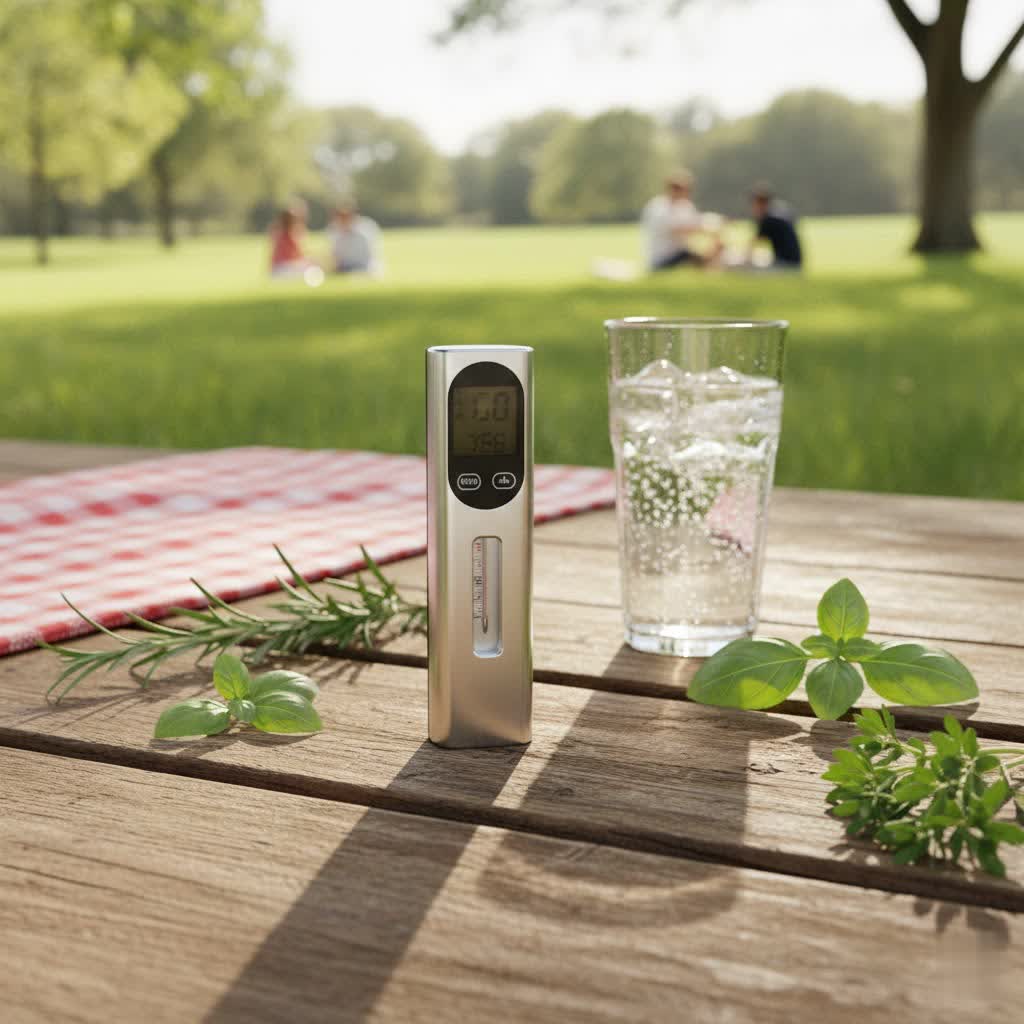
Meat Thermometer: Overview and Why You Need One for Chicken
A meat thermometer is a device designed to measure the internal temperature of cooked foods, ensuring they reach a safe minimum temperature to eliminate harmful bacteria and achieve optimal doneness. For chicken, this is particularly crucial due to the risk of foodborne illnesses such as Salmonella if not cooked thoroughly. Relying solely on visual cues like color or clear juices is often misleading; chicken can appear cooked on the outside while still being underdone internally.
Using a meat thermometer is paramount for several reasons. Firstly, it guarantees food safety by confirming that your chicken has reached the U.S. Department of Agriculture (USDA) recommended internal temperature of 165°F (74°C). This temperature effectively destroys most harmful bacteria, safeguarding your health. Secondly, it prevents overcooking, which is a common culprit behind dry, rubbery chicken. By pulling your chicken off the heat at precisely the right moment, you lock in moisture and flavor, resulting in a succulent and tender meal. Lastly, a meat thermometer promotes consistency, allowing you to replicate perfect results whether you’re roasting a whole bird, grilling breasts, or baking thighs.
The market offers a variety of meat thermometers, each with distinct features. Understanding these types—from simple analog models to advanced smart devices—is the first step toward finding the perfect tool for your chicken-cooking needs.
Popular Meat Thermometer Types: Pros and Cons
Choosing the right meat thermometer depends on your cooking style and preferences. Here’s a breakdown of the most common types and their respective advantages and disadvantages.
Analog Meat Thermometer
Analog thermometers are the traditional choice, featuring a dial with a needle that indicates temperature.
- Pros: Generally inexpensive and don’t require batteries. They are simple to use, offering a straightforward temperature reading without complex features.
- Cons: Often less accurate and slower to register temperatures compared to digital models. The dial can be challenging to read quickly and precisely, especially in low light or within an oven. They are also bulkier and not ideal for thinner cuts of chicken.
|
Our Picks for the Best Meat Thermometer in 2026
As an Amazon Associate I earn from qualifying purchases.
|
||
| Num | Product | Action |
|---|---|---|
| 1 | Meat Thermometer Digital, Instant Read Meat ThermometerI for Grill and Cooking, Waterproof Food Thermometer for Kitchen and Outside, BBQ, Turkey, Candy, Liquids, Beef |

|
| 2 | Escali AH1 Stainless Steel Oven Safe Meat Thermometer, Extra Large 2.5-inches Dial, Temperature Labeled for Beef, Poultry, Pork, and Veal Silver NSF Certified |
|
| 3 | Instant Read Meat Thermometer, Fast & Accurate Digital Food Thermometer with Backlight, Waterproof & Magnet for Grilling, Cooking, BBQ, Smoker, Baking, and Candy Making Blue |
|
| 4 | 0.5 Sec Instant Read Meat Thermometer Digital with ±0.5℉ Precision, Food Thermometer for Cooking Kitchen Gadgets, Oven Grill Candy BBQ Essentials Accessories, Gifts for Him Dad Men Birthday, Red |
|
| 5 | ThermoPro TP19H Digital Meat Thermometer for Cooking with Ambidextrous Backlit and Motion Sensing Kitchen Cooking Food Thermometer for BBQ Grill Smoker Oil Fry Candy Instant Read Thermometer |
|
| 6 | Meat Thermometer Digital - Instant Read Waterproof Food Thermometer with Backlight for Cooking, Grill, Candy, Kitchen & Stocking Stuffers for Men - Red |
|
| 7 | Meat Thermometer Digital for Grilling and Cooking - ANDAXIN Waterproof Ultra-Fast Instant Read Food thermometers with Backlight & Calibration for Kitchen, Deep Fry, BBQ, Grill(Red/Black), LCD |
|
| 8 | ThermoPro TP16 Large LCD Digital Cooking Food Meat Thermometer for Smoker Oven Kitchen BBQ Grill Thermometer Clock Timer with Stainless Steel Temperature Probe |
|
| 9 | 2 Pack Stainless Steel Meat Thermometer, Safe Leave in Oven, 2.5-in Extra-Large Dial Food Thermometer for Cooking, Temperature Probe for Baking, Steak, Turkey - Kitchen Gadgets - Silver |
|
| 10 | Alpha Grillers Meat Thermometer Digital - Instant Read Food Thermometer for Cooking and Grilling Gifts for Men Valentines Day Gifts for Him Her Mom Dad |
|
Digital Meat Thermometer
Digital thermometers provide a numerical temperature display, making readings quick and easy.
- Pros: Offer high accuracy and fast readings, often within a few seconds. The clear digital display eliminates guesswork. Many models come with additional features like backlights, alarms, and pre-set temperature guides.
- Cons: Require batteries to operate and can be more expensive than analog thermometers.
Probe Meat Thermometer
Probe thermometers, also known as leave-in thermometers, are designed to remain in the meat throughout the cooking process. They consist of a metal probe connected by a heat-resistant wire to an external display unit.
- Pros: Allow for continuous monitoring of internal temperature without opening the oven or grill, which helps maintain consistent cooking temperatures. Many models include programmable alarms that alert you when your chicken reaches the target temperature. They are excellent for roasting whole chickens or larger cuts.
- Cons: The wired connection can sometimes be inconvenient, especially if you need to move the chicken frequently. The probe must be carefully placed to avoid bones and ensure an accurate reading, and they aren’t ideal for quick, individual temperature checks on multiple small pieces.
Instant-Read Meat Thermometer
Instant-read thermometers are characterized by their ability to provide a rapid temperature reading, typically within 1-5 seconds, once inserted into the food.
- Pros: Exceptionally fast and highly accurate, making them ideal for quick checks on chicken breasts, thighs, or smaller pieces. They are portable and versatile, suitable for various cooking methods.
- Cons: Cannot be left in the oven or on the grill, as they are not designed to withstand prolonged high heat. You must insert the probe each time you want to check the temperature, requiring you to open the oven door.
Smart/Wireless Meat Thermometer
Often a subset of probe thermometers, smart and wireless models offer advanced connectivity.
- Pros: Utilize Bluetooth or Wi-Fi to send temperature data to a smartphone app, allowing for remote monitoring. Many apps offer preset cooking programs for different meats, estimated cooking times, and even resting time calculations. This is particularly useful for grilling, smoking, or managing multiple dishes.
- Cons: These are generally the most expensive option. They rely on app functionality and connectivity, which can occasionally be unreliable depending on range. Some wireless probes can also be wider, making them less ideal for delicate proteins.
Comparison Table: Meat Thermometers for Chicken
| Feature | Analog | Digital | Probe (Leave-in) | Instant-Read | Smart/Wireless |
|---|---|---|---|---|---|
| Accuracy | Moderate | High | High | Very High | Very High |
| Speed | Slow (1-2 minutes) | Fast (5-10 seconds) | Continuous monitoring | Very Fast (1-5 seconds) | Continuous monitoring |
| Usage | In-oven (some models) | Spot-check | In-oven/grill | Spot-check | In-oven/grill/smoker |
| Chicken Type | Whole (less precise) | All cuts | Whole, large pieces | All cuts, especially thin | Whole, large pieces |
| Power | None | Battery | Battery (unit) | Battery | Rechargeable battery |
| Connectivity | None | None | Wired to display | None | Bluetooth/Wi-Fi to app |
| Price | Low | Medium | Medium to High | Medium to High | High |
| Key Advantage | Simple, inexpensive | Easy to read, precise | Hands-free monitoring | Quick, accurate checks | Remote monitoring, smart features |
| Key Disadvantage | Hard to read, slow | Not leave-in | Wired, can be bulky | Not leave-in | Expensive, app dependent |
How to Choose the Right Meat Thermometer for Chicken
Selecting the ideal meat thermometer for your chicken-cooking adventures involves considering your primary needs, budget, and desired features.
Determine Your Usage Needs
Think about the types of chicken dishes you prepare most often.
- Whole Chicken/Roasts: If you frequently roast whole chickens, a probe (leave-in) thermometer is highly recommended. It allows you to monitor the internal temperature without constantly opening the oven, ensuring even cooking and preventing heat loss. Smart/wireless versions offer even greater convenience for remote monitoring, especially if you’re multitasking.
- Chicken Breasts, Thighs, or Smaller Cuts: For quick-cooking pieces like chicken breasts, thighs, or tenders, an instant-read digital thermometer is your best bet. Its speed and accuracy mean you can check doneness rapidly, minimizing cooking time and preventing overcooking.
- Grilling or Smoking: If you’re a fan of outdoor cooking, a wireless probe thermometer shines. It lets you monitor temperatures from a distance, so you don’t have to hover over the grill, making it perfect for longer cooks like smoked whole chickens or larger batches of grilled parts.
Prioritize Accuracy and Speed
Regardless of the type, accuracy and speed are paramount for cooking chicken safely and perfectly. Look for thermometers that boast high accuracy (typically +/- 1°F or 0.5°C) and a fast response time. Digital and instant-read thermometers generally excel in these areas, giving you precise readings within seconds. “A swift and accurate temperature reading can be the difference between perfectly juicy chicken and a dry, overcooked disappointment,” notes a culinary expert.
Consider Features and Budget
Meat thermometers come with a range of features that can enhance your cooking experience.
- Alarms and Timers: Many probe thermometers offer audible alarms when the target temperature is reached, preventing overcooking.
- Backlights: Useful for reading temperatures in dimly lit kitchens or during evening grilling sessions.
- Magnetic Backs: Allow you to attach the display unit to your oven or grill, keeping it easily accessible.
- App Connectivity: For smart thermometers, evaluate the app’s interface, ease of use, and additional functionalities like cooking guides or resting time calculations.
- Budget: Meat thermometers range from under $20 to over $100. Determine what features are most important to you and find a model that fits your budget without compromising on essential accuracy and reliability.
Brand Reputation and Reviews
Opt for reputable brands known for quality and durability. Brands frequently praised in reviews include ThermoWorks, Meater, ThermoPro, OXO, Chef iQ, Ninja, and Cosori. Reading user reviews can provide valuable insights into real-world performance, ease of use, and durability, helping you make an informed decision.
How to Use a Meat Thermometer Correctly for Chicken
Proper thermometer placement is crucial for accurate readings and ensuring your chicken is safely cooked.
Correct Placement in Chicken
- Whole Poultry: When cooking a whole chicken, insert the thermometer into the innermost part of the thigh, near the breast, but ensuring it does not touch the bone. You can also check the thickest part of the breast and the innermost part of the wing for comprehensive safety, as temperatures can vary in different sections.
- Chicken Parts (Breasts, Thighs): For individual pieces like chicken breasts or thighs, insert the thermometer into the thickest part of the meat, avoiding any bone or gristle. If the piece is thin, insert the thermometer sideways to ensure the tip reaches the center of the meat.
- Ground Chicken: When cooking ground chicken, insert the thermometer into the thickest area of the patty or dish.
- General Rule: Always aim for the center of the thickest part of the meat, away from bones or fat, as these can conduct heat differently and give inaccurate readings.
Safe Internal Temperature Guidelines
The USDA recommends a minimum internal temperature of 165°F (74°C) for all poultry, including whole chicken, chicken parts, ground chicken, and even stuffing cooked inside a bird. While some sources mention cooking to higher temperatures (e.g., 170-180°F) to ensure no pink color remains, 165°F is the scientifically established minimum for safety.
Reading the Thermometer
- Digital Thermometers: Wait for the digital display to stabilize and show a consistent reading, typically within a few seconds.
- Analog Thermometers: Wait for the needle to stop moving, which can take a minute or more, before taking your reading.
- For leave-in probe thermometers, the external display will continuously update or alert you when the target temperature is met.
Calibrating Your Thermometer
Regular calibration ensures your thermometer remains accurate. The most common method is the ice water slurry test. Fill a large glass with crushed ice, then add cold water until it’s full. Stir well. Insert the thermometer stem at least 2 inches deep into the mixture, ensuring the tip does not touch the sides or bottom of the glass. Wait at least 30 seconds for the temperature to stabilize. A properly calibrated thermometer should read 32°F (0°C). If it doesn’t, follow the manufacturer’s instructions for recalibration; some digital models have a reset function, while analog ones may have an adjustment nut.
Cleaning and Storage
Clean your meat thermometer’s probe with hot, soapy water before and after each use to prevent cross-contamination. You can also sanitize it with a 70% isopropyl alcohol wipe or by dipping it in a solution of 1 teaspoon of bleach per quart of water. Store it with its protective sheath in a clean, dry place to prevent damage and maintain hygiene.
Top 5 Meat Thermometers for Chicken (Detailed Review)
To help you make the best choice, here are five highly-rated meat thermometers that excel in cooking chicken, offering a range of features and price points.
-
ThermoWorks Thermapen ONE (Instant-Read)
- Overview: Widely considered the gold standard for instant-read thermometers, the Thermapen ONE delivers incredibly fast and accurate readings in just one second. It features a large, auto-rotating display and a waterproof design.
- Why it’s great for chicken: Its unparalleled speed makes it perfect for quickly checking the doneness of multiple chicken pieces without significant heat loss from your oven or grill. Its precision ensures you hit that 165°F mark every time, preventing both under and overcooking.
-
Meater Pro (Smart/Wireless Probe)
- Overview: A truly wireless smart thermometer that connects to your smartphone via Bluetooth, allowing you to monitor cooking progress remotely. The Meater app offers guided cooks for various meats, including chicken, and estimates resting times.
- Why it’s great for chicken: Ideal for roasting whole chickens or smoking poultry, as it eliminates wires and allows you to track temperatures from afar. The app’s features help you achieve perfect doneness, notifying you when the chicken is ready and even calculating carry-over cooking.
-
ThermoPro TP25 4-Probe Bluetooth Remote Meat Thermometer
- Overview: This thermometer offers four stainless steel probes, allowing you to monitor multiple pieces of chicken or different foods simultaneously. It connects to an app via Bluetooth and features programmable alarms.
- Why it’s great for chicken: Perfect for batch cooking chicken for meal prep or grilling different cuts at once. The multiple probes and remote monitoring provide immense flexibility and ensure each piece reaches its ideal temperature.
-
OXO Good Grips Chef’s Precision Digital Instant Read Thermometer
- Overview: A budget-friendly, yet highly reliable instant-read digital thermometer known for its clear, large display and ergonomic design. It’s easy to use and provides accurate readings for everyday cooking.
- Why it’s great for chicken: An excellent value option for home cooks who need a dependable and user-friendly thermometer for checking chicken breasts, thighs, and other parts. The included temperature chart on its sheath is a handy reference.
-
ThermoWorks ChefAlarm (Wired Probe)
- Overview: A robust wired probe thermometer with a wide temperature range, a clear display, and customizable alarms. It’s built for durability and precision, suitable for professional and home use.
- Why it’s great for chicken: Its reliability and alarm function make it a top choice for roasting whole chickens or large poultry cuts where continuous, accurate monitoring is desired. The sturdy probe can be left in the oven for extended periods, providing peace of mind.
Conclusion
A meat thermometer is more than just a kitchen gadget; it’s an essential tool that ensures the safety, flavor, and texture of your chicken dishes. By investing in a quality meat thermometer and understanding how to use it correctly, you eliminate the guesswork from cooking poultry, guaranteeing juicy, perfectly cooked chicken every time. From preventing foodborne illness to avoiding dry, overcooked meat, the benefits are undeniable. Take control of your cooking and elevate your chicken dishes to new culinary heights. What chicken masterpiece will you create with newfound confidence?
Frequently Asked Questions
What is the safe internal temperature for chicken?
The USDA recommends a minimum internal temperature of 165°F (74°C) for all types of chicken, including whole birds, breasts, thighs, and ground chicken, to ensure it is safe to eat and free from harmful bacteria.
Can I use an analog thermometer for chicken?
While you can use an analog thermometer, digital or instant-read models are generally preferred for chicken. Analog thermometers are often slower and less precise, making it harder to get an accurate reading quickly, which is crucial for preventing overcooking or undercooking poultry.
Where do you put the thermometer in a chicken breast?
For a chicken breast, insert the meat thermometer into the thickest part of the meat. If the breast is particularly thin, insert the probe sideways to ensure the tip reaches the true center of the meat, avoiding any bone or gristle.
How do I know my chicken thermometer is accurate?
You can test your thermometer’s accuracy using an ice water slurry. Fill a glass with crushed ice, add water, and stir. Insert the thermometer at least 2 inches deep. After 30 seconds, it should read 32°F (0°C). If not, it may need calibration or replacement.
Can a meat thermometer prevent dry chicken?
Yes, a meat thermometer is a key tool in preventing dry chicken. By accurately monitoring the internal temperature, you can remove the chicken from the heat source precisely when it reaches 165°F (74°C), ensuring it’s safely cooked without being overdone and losing its moisture.
