Imagine preparing a perfectly cooked meal every single time, without constantly hovering over your grill or oven. That’s the promise of a smart wireless meat thermometer. These innovative gadgets eliminate guesswork, ensuring your roasts are juicy, your steaks are perfectly seared to your preferred doneness, and your poultry is safely cooked through. Whether you’re a seasoned pitmaster, a weekend griller, or simply aiming for culinary perfection in your kitchen, understanding and utilizing a smart wireless meat thermometer can transform your cooking experience from stressful speculation to confident creation. This comprehensive guide will walk you through everything you need to know, from how these devices work to choosing and using the best one for your needs.
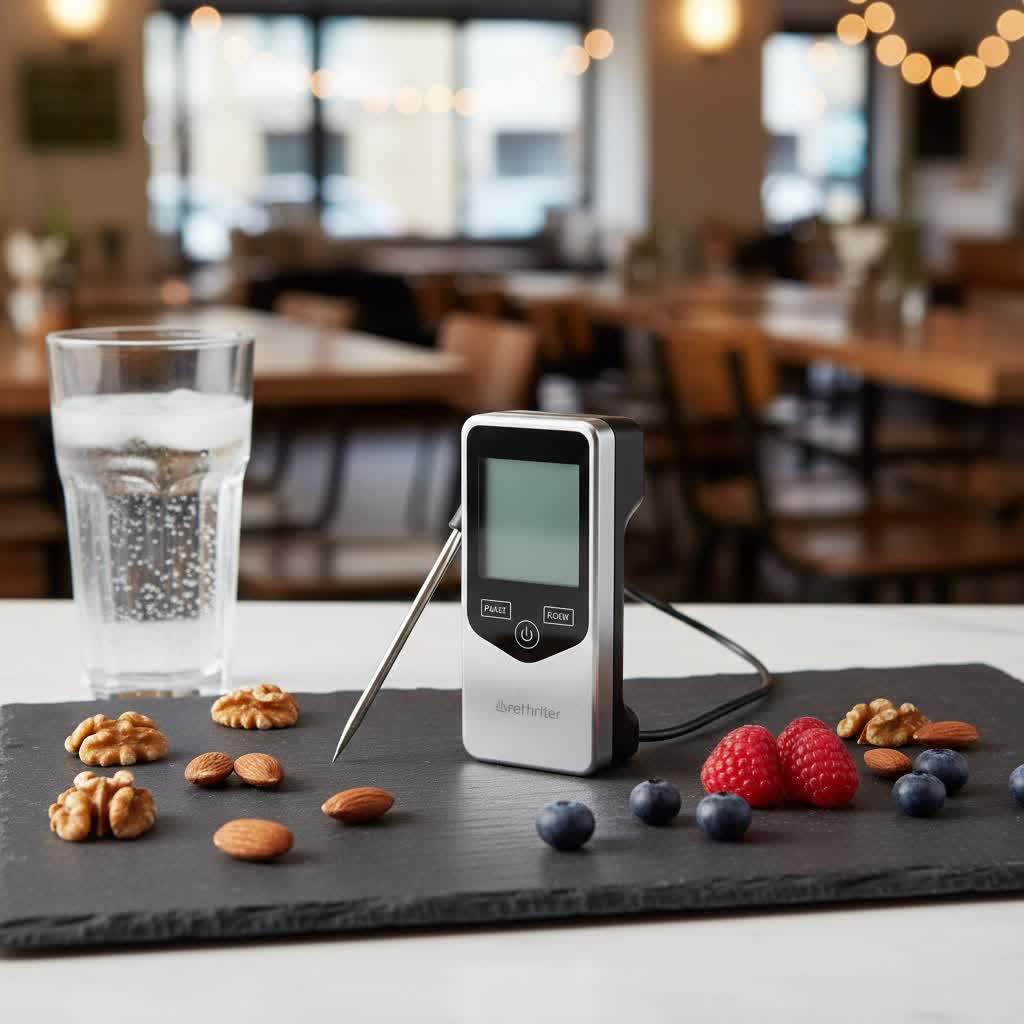
Smart Wireless Meat Thermometers: The Future of Precision Cooking
A smart wireless meat thermometer is a sophisticated kitchen tool designed to monitor the internal temperature of your food and often the ambient temperature of your cooking environment (like an oven or grill), transmitting this data wirelessly to a connected device, usually a smartphone or tablet. This allows you to track your food’s progress remotely, receiving real-time updates and alerts without opening the oven door or lifting the grill lid, thereby maintaining consistent cooking temperatures.
The primary use of these thermometers is to achieve precise doneness and ensure food safety. By knowing the exact internal temperature, you can confidently cook meats to recommended safe temperatures, preventing foodborne illnesses. Beyond safety, they empower you to consistently reach your desired level of doneness, from a rare steak to a well-done brisket, guaranteeing maximum flavor and tenderness. This hands-free monitoring offers unparalleled convenience, freeing you to interact with guests, prepare side dishes, or simply relax while your food cooks to perfection. The ability to keep cooking lids closed also helps retain moisture, leading to juicier, more flavorful results.
Navigating the Landscape: Types of Smart Wireless Meat Thermometers
The world of smart wireless meat thermometers primarily breaks down into two main types, each offering distinct advantages and considerations for different cooking styles.
Fully Wireless Probe Thermometers
These are arguably the most innovative, featuring a single, self-contained probe that integrates both the temperature sensor and the wireless transmitter. The probe is inserted directly into the meat and has no external wires connecting it to a base unit.
- Mechanism: The entire unit, often made of stainless steel and ceramic, resides within the food and cooking environment. It typically connects via Bluetooth to your smartphone or a small charging dock that then extends the signal via Wi-Fi or acts as a signal booster.
- Pros:
- True Wire-Free Design: Offers ultimate freedom of placement, ideal for rotisseries, deep frying, or sous vide where wires would be problematic.
- Compact and Portable: Easy to handle and store.
- Versatile: Can often be used across various cooking appliances like ovens, grills, smokers, and even air fryers.
- Cons:
- Limited Bluetooth Range: Without a Wi-Fi bridge or repeater, direct Bluetooth connections can be short, requiring you to stay relatively close to the cooking area.
- Probe Thickness: Some probes can be thicker, potentially leaving a more noticeable hole in delicate cuts of meat.
- Integrated Battery Life: The battery within the probe needs regular charging, though many offer impressive cook times on a single charge.
- Price: Often at the higher end of the market due to advanced technology.
|
Our Picks for the Best Meat Thermometer in 2026
As an Amazon Associate I earn from qualifying purchases.
|
||
| Num | Product | Action |
|---|---|---|
| 1 | Meat Thermometer Digital, Instant Read Meat ThermometerI for Grill and Cooking, Waterproof Food Thermometer for Kitchen and Outside, BBQ, Turkey, Candy, Liquids, Beef |

|
| 2 | ThermoPro TP16 Large LCD Digital Cooking Food Meat Thermometer for Smoker Oven Kitchen BBQ Grill Thermometer Clock Timer with Stainless Steel Temperature Probe |
|
| 3 | Escali AH1 Stainless Steel Oven Safe Meat Thermometer, Extra Large 2.5-inches Dial, Temperature Labeled for Beef, Poultry, Pork, and Veal Silver NSF Certified |
|
| 4 | Meat Thermometer Digital - Instant Read Waterproof Food Thermometer with Backlight for Cooking, Grill, Candy, Kitchen & Stocking Stuffers for Men - Red |
|
| 5 | 0.5 Sec Instant Read Meat Thermometer Digital with ±0.5℉ Precision, Food Thermometer for Cooking Kitchen Gadgets, Oven Grill Candy BBQ Essentials Accessories, Gifts for Him Dad Men Birthday, Red |
|
| 6 | Meat Thermometer Digital for Grilling and Cooking - ANDAXIN Waterproof Ultra-Fast Instant Read Food thermometers with Backlight & Calibration for Kitchen, Deep Fry, BBQ, Grill(Red/Black), LCD |
|
| 7 | Instant Read Meat Thermometer, Fast & Accurate Digital Food Thermometer with Backlight, Waterproof & Magnet for Grilling, Cooking, BBQ, Smoker, Baking, and Candy Making Blue |
|
| 8 | ThermoPro TP19H Digital Meat Thermometer for Cooking with Ambidextrous Backlit and Motion Sensing Kitchen Cooking Food Thermometer for BBQ Grill Smoker Oil Fry Candy Instant Read Thermometer |
|
| 9 | 2 Pack Stainless Steel Meat Thermometer, Safe Leave in Oven, 2.5-in Extra-Large Dial Food Thermometer for Cooking, Temperature Probe for Baking, Steak, Turkey - Kitchen Gadgets - Silver |
|
| 10 | Alpha Grillers Meat Thermometer Digital - Instant Read Food Thermometer for Cooking and Grilling Gifts for Men Valentines Day Gifts for Him Her Mom Dad |
|
Hub-Based Wireless Systems
These systems typically consist of one or more probes that are wired to a separate base unit or “hub.” This base unit then transmits the temperature data wirelessly to your smartphone.
- Mechanism: The probes are inserted into the meat, and their wires run out of the cooking appliance to a magnetic base unit that sits outside. This base unit then communicates with your app, either via Bluetooth or Wi-Fi.
- Pros:
- Extended Range: Many hub-based systems leverage Wi-Fi, offering significantly longer monitoring distances, allowing you to move freely around your home or yard.
- Multiple Probes: Often come with multiple probes (two, four, or even more), allowing you to monitor different cuts of meat or dishes simultaneously.
- Dedicated Displays: The base unit frequently includes its own digital display, providing a quick temperature check without needing your phone.
- Separate Probe Battery: Probes typically draw power from the base or don’t have their own battery, simplifying maintenance.
- Cons:
- Wired Probes: The presence of wires connecting the probe to the base unit can be restrictive, particularly for closed-lid cooking or in crowded cooking spaces.
- Base Unit Placement: The base unit needs to be placed strategically to ensure good signal strength and may require its own power source or battery.
- Less Compact: The base unit and multiple probes can take up more space.
Side-by-Side Comparison: Features to Look For
When considering a smart wireless meat thermometer, several features distinguish models and impact their suitability for different users. Here’s a comparative overview of key aspects:
| Feature | Fully Wireless Probe Thermometer | Hub-Based Wireless System |
|---|---|---|
| Connectivity | Primarily Bluetooth; some with Wi-Fi bridge in charger | Bluetooth or Wi-Fi (often more robust Wi-Fi options) |
| Range | Shorter (Bluetooth-dependent); longer with Wi-Fi bridge | Generally longer (especially Wi-Fi models) |
| Number of Probes | Typically single probe; some brands offer multi-probe sets | Often 2-6 probes |
| Probe Design | Entirely wire-free; compact, often thicker | Wired probe to external base unit; thinner probes possible |
| App Features | Preset cook temperatures, custom settings, alerts, estimated cook times, graphs, data logging | Similar app features, often with multi-probe management and dedicated base display |
| Battery Life (Probe) | Integrated battery (recharges in charger block) | Probes often draw power from base or are not battery-dependent |
| Heat Resistance | High (probe designed for internal and ambient temps) | Probe wires can be a weak point; probe tip is high-heat resistant |
| Key Pros | Ultimate freedom, great for rotisserie/sous vide | Extended range, multiple items, dedicated display |
| Key Cons | Shorter range, thicker probe, limited probe count | Wires can be cumbersome, base unit needs placement |
Your Guide to Choosing the Perfect Smart Wireless Meat Thermometer
Selecting the right smart wireless meat thermometer depends heavily on your individual cooking habits, preferences, and budget. Consider these factors to make an informed decision:
Understanding Your Culinary Habits
Think about the types of proteins you cook most frequently and your preferred cooking methods.
- Meats: Do you mostly cook large roasts like turkey or brisket, which benefit from continuous monitoring? Or smaller, quicker cooks like steaks and chicken breasts?
- Cooking Methods: Will you primarily use it for grilling, smoking, oven roasting, air frying, or even more specialized methods like deep frying or sous vide? Fully wireless probes are excellent for methods where wires are impossible, like rotisserie or sous vide, while hub-based systems excel in smokers and ovens with multiple dishes.
- Precision: How critical is exact temperature control for your cooking? Some models offer more granular temperature tracking and advanced algorithms for estimated cook times.
Connectivity & Range Requirements
The type of wireless connection and its range are crucial.
- Bluetooth: Generally offers a shorter range (often up to 150-200 feet in ideal conditions, but significantly less through walls or metal). This is usually sufficient if you stay relatively close to your grill or kitchen.
- Wi-Fi: Provides a much longer, more stable connection, often allowing you to monitor your food from anywhere in your home or even when you’re out, as long as your hub is connected to your home Wi-Fi network. If you tend to wander far from your cooking area, a Wi-Fi enabled system is a superior choice.
App Experience & Smart Features
The accompanying smartphone app is central to the “smart” experience.
- Ease of Use: Is the app intuitive to navigate? Can you easily set up cooks, customize alerts, and view temperature graphs?
- Preset Guides: Does it offer a variety of preset temperatures for different meats and doneness levels?
- Customization: Can you set your own target temperatures and create custom cooking programs?
- Estimated Cook Times: Some apps provide estimated remaining cook times, which can be incredibly helpful for meal planning.
- Data Logging & Sharing: Advanced apps may log your cooking data for future reference or allow you to share progress with others.
Probe Design, Durability, & Cleaning
The physical aspects of the probe itself are vital for practicality and longevity.
- Wire-Free vs. Wired: As discussed, choose based on your preferred cooking methods and tolerance for wires.
- Probe Size: Thinner probes are better for delicate cuts like fish or chicken breasts, leaving smaller puncture marks. Some premium probes are specifically designed to be slim yet durable.
- Material and Heat Resistance: Ensure the probe and any exposed wires are rated for the high temperatures of your cooking method (e.g., grill grates, oven interior). Look for food-grade stainless steel and ceramic for durability.
- Waterproofing & Cleaning: Is the probe waterproof for easy cleaning and safe for methods like sous vide? Ease of cleaning prevents bacterial buildup.
Budget and Brand Reputation
Smart wireless meat thermometers range widely in price.
- Investment: While you can find budget-friendly options, investing in a reputable brand often translates to better accuracy, durability, and app support.
- Reviews: Always read user reviews from multiple sources to gauge real-world performance, accuracy, app stability, and customer service. Look for consistency in feedback regarding connectivity and long-term reliability.
Achieving Culinary Excellence: Tips for Using Your Smart Wireless Meat Thermometer
Using your smart wireless meat thermometer correctly is just as important as choosing the right one. Follow these tips to ensure perfect results every time.
Proper Probe Insertion
For the most accurate readings, insert the probe into the thickest part of the meat, avoiding bones, fat, or gristle, which can give inaccurate temperature readings. For whole poultry, insert into the thickest part of the thigh, not touching the bone. For roasts, aim for the center. If using a fully wireless probe with an ambient temperature sensor, ensure the probe is deep enough so the internal sensor is in the meat and the ambient sensor (often the top part of the probe) is exposed to the air.
Understanding Safe Internal Temperatures
Always cook meat to USDA-recommended safe internal temperatures to ensure food safety.
- Poultry (whole or ground): 165°F (74°C)
- Ground Meat (beef, pork, lamb): 160°F (71°C)
- Beef, Pork, Lamb, Veal (steaks, roasts, chops):
- Medium Rare: 145°F (63°C) (followed by a 3-minute rest)
- Medium: 160°F (71°C)
- Well Done: 170°F (77°C)
- Fresh Ham (pork): 145°F (63°C) (followed by a 3-minute rest)
- Fish: 145°F (63°C)
Your thermometer’s app often includes these presets, guiding you to the correct temperatures.
Resting Meat: The Final, Crucial Step
Once your meat reaches its target temperature, remove it from the heat and allow it to rest. This allows the juices to redistribute throughout the meat, resulting in a more tender and flavorful product. Many smart thermometer apps will even alert you when the resting period is complete. For larger cuts, the internal temperature can rise by several degrees during resting, so consider pulling the meat off the heat a few degrees before its final target temperature.
Care and Maintenance
Proper care extends the life of your thermometer.
- Cleaning: Always clean the probe thoroughly after each use, usually with soap and water. Ensure any electronic components or charging ports are kept dry. Check if the probe is fully waterproof or just water-resistant.
- Storage: Store your thermometer and its components safely to prevent damage. Many come with magnetic charging blocks that also serve as storage.
- Charging: Keep your thermometer charged. Many smart probes offer fast charging, giving you hours of use from just a short charge.
Top Smart Wireless Meat Thermometers: Our Expert Picks
Based on extensive testing and user feedback, here are some of the leading smart wireless meat thermometers that consistently deliver excellent performance and user experience.
- Meater Plus/Meater Pro: These fully wireless, app-controlled probes are renowned for their sleek design and precision. The Meater Pro, in particular, boasts a dual internal and ambient sensor, high heat resistance, and a charger that extends Bluetooth range or acts as a Wi-Fi bridge. The app is intuitive, offering guided cooks, estimated finish times, and resting alerts. It’s an excellent choice for any cooking method, especially rotisserie and sous vide, but comes at a premium price.
- Typhur Gold: Often highlighted for its impressive range and robust app, the Typhur Gold is a fully wireless probe that offers true standalone features. Its accuracy and strong signal reliability, even in challenging environments, make it a favorite among serious cooks. The app is lauded for its fluid data display and comprehensive features.
- Weber Connect Smart Grilling Hub: Ideal for the dedicated griller or smoker, this hub-based system features wired probes connected to a central hub that utilizes both Bluetooth and Wi-Fi. It allows for remote monitoring from virtually anywhere, offering a reliable connection and a user-friendly app with clear temperature graphs and notifications. It’s perfect for managing multiple cuts of meat on a large grill or smoker.
- ThermoPro TempSpike Pro Wi-Fi Meat Thermometer: This hub-based system offers excellent value and customization. With wired probes connecting to a base unit that boasts Wi-Fi connectivity, it delivers reliable remote monitoring and clear readings. Its app provides a range of options for different meats and cooking methods, often including useful features like audible alerts and reminders.
- Cosori Smart Wireless Meat Thermometer Probe: A strong contender for those seeking a fully wireless experience at a more accessible price point. This probe offers stable app connectivity and ease of use, making it particularly effective for nailing the perfect steak. While its probe might be slightly thicker than some premium models, it consistently delivers accurate results and simplifies the cooking process with clear instructions and resting recommendations.
Conclusion
Embracing a smart wireless meat thermometer is more than just buying a gadget; it’s investing in confidence and consistency in your cooking. These intelligent devices remove the guesswork, ensuring food safety and allowing you to achieve culinary perfection with every meal. From the hands-free convenience of remote monitoring to the precise control over doneness, a smart thermometer empowers you to elevate your kitchen skills and impress your guests. Whether you opt for a fully wireless probe or a robust hub-based system, the right smart meat thermometer will become an indispensable tool, transforming your cooking from a chore into a joy. Are you ready to take the next step in becoming a more confident and precise home chef?
Frequently Asked Questions
How accurate are smart wireless meat thermometers?
Most reputable smart wireless meat thermometers offer high levels of accuracy, typically within ±1°F (0.5°C), crucial for both food safety and achieving desired doneness. Many brands also perform individual calibrations for extra assurance, but regular testing in ice water (should read 32°F/0°C) can help confirm accuracy.
Can I use a smart wireless meat thermometer in a smoker, grill, or oven?
Yes, absolutely! Smart wireless meat thermometers are specifically designed for these environments. Their probes are built to withstand high temperatures, and the wireless connectivity allows you to monitor your food from a distance without opening the appliance, which helps maintain consistent internal temperatures and speeds up cooking.
What’s the difference between Bluetooth and Wi-Fi smart thermometers?
The main difference lies in range and connectivity reliability. Bluetooth thermometers offer a shorter range, typically requiring you to be relatively close to the cooking appliance. Wi-Fi thermometers, especially hub-based systems, connect to your home network, providing a much longer and more stable connection, allowing you to monitor your cook from almost anywhere with an internet connection.
How do I clean my smart wireless meat thermometer?
Always clean the probe thoroughly after each use with warm, soapy water and a soft cloth. Ensure any non-waterproof electronic components, like the charging block or base unit, do not get wet. Some probes are fully waterproof and can be rinsed under a faucet or even used in sous vide, while others are only splash-resistant. Refer to your specific model’s instructions.
Do smart meat thermometers need to be calibrated?
While many high-quality smart meat thermometers come pre-calibrated from the factory, it’s good practice to occasionally check their accuracy, particularly if you suspect incorrect readings. A simple ice-water test (inserting the probe into a glass of ice water, which should read 32°F or 0°C) can help confirm its precision. If calibration is needed, some advanced apps offer a calibration feature, or you might need to contact the manufacturer.
