Achieving culinary perfection in the kitchen, especially when roasting meats, hinges on one critical factor: temperature control. Overcooked, dry chicken or an undercooked, unsafe pork roast can quickly turn a promising meal into a disappointment. This is where a reliable meat and oven thermometer becomes your indispensable kitchen ally, transforming guesswork into precision. From ensuring food safety to enhancing flavor and texture, understanding and utilizing these essential tools will elevate your home cooking to a professional level.
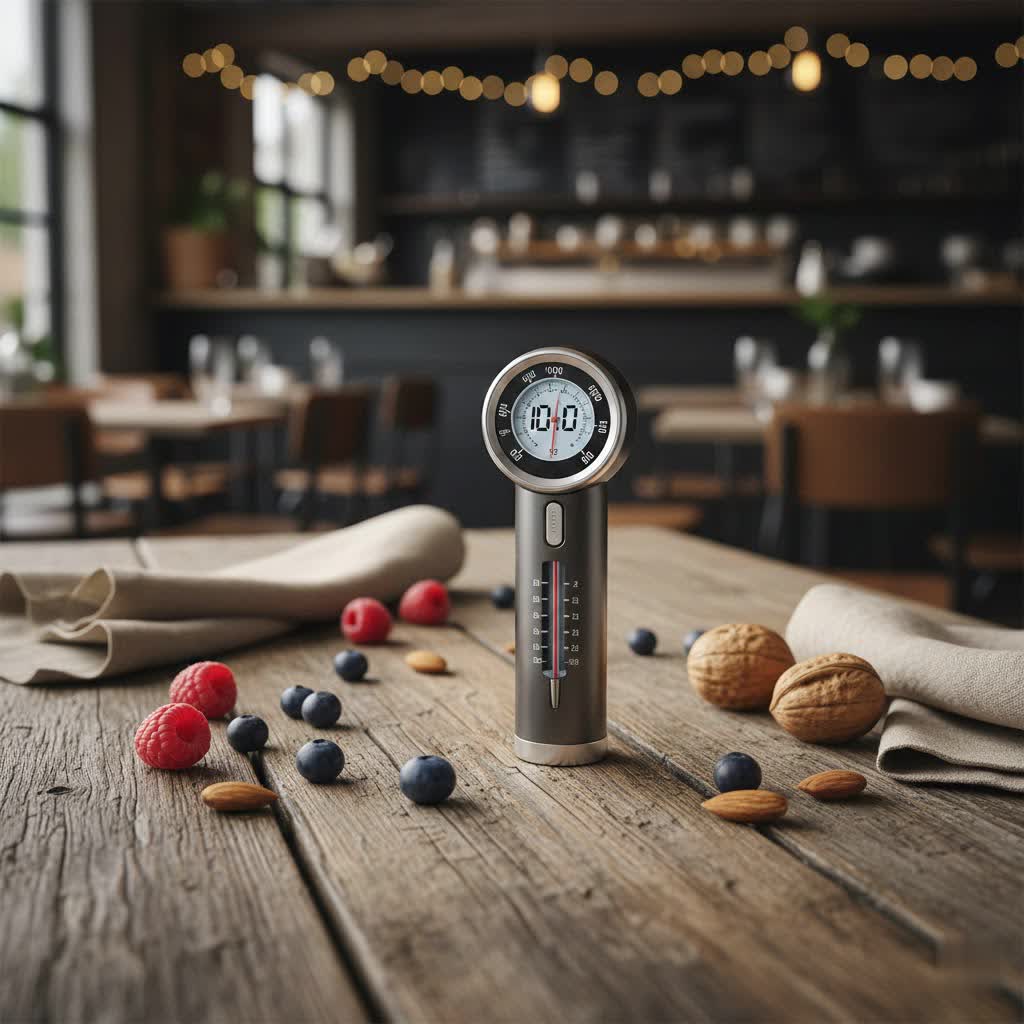
Meat Thermometers: Overview and Why You Need One
A meat thermometer is a kitchen tool designed to measure the internal temperature of cooked meat, poultry, and other foods. Its primary purpose is twofold: to guarantee food safety by confirming that pathogens are destroyed, and to achieve the desired doneness and texture, preventing over- or undercooking. Without an accurate thermometer, even experienced cooks are left guessing, risking inconsistent results and potentially unsafe meals.
The importance of using a meat thermometer cannot be overstated. Food safety guidelines, such as those from the USDA, specify minimum internal temperatures for various proteins to eliminate harmful bacteria. Beyond safety, a thermometer empowers you to consistently cook meats to your preferred doneness—be it a perfectly medium-rare steak or a juicy, fall-off-the-bone chicken. This precision leads to superior flavor, tenderness, and an overall more enjoyable dining experience.
The market offers several types of meat thermometers, each suited for different cooking scenarios. These include traditional analog models, rapid digital instant-read versions, and versatile probe thermometers, many of which are designed to be oven-safe.
Common Types of Meat Thermometers: Pros and Cons
Choosing the right thermometer depends on your specific cooking style and needs. Here’s a breakdown of the most common types:
Analog Meat Thermometer
|
Our Picks for the Best Meat Thermometer in 2026
As an Amazon Associate I earn from qualifying purchases.
|
||
| Num | Product | Action |
|---|---|---|
| 1 | Alpha Grillers Meat Thermometer Digital - Instant Read Food Thermometer for Cooking and Grilling Gifts for Men Valentines Day Gifts for Him Her Mom Dad |

|
| 2 | 0.5 Sec Instant Read Meat Thermometer Digital with ±0.5℉ Precision, Food Thermometer for Cooking Kitchen Gadgets, Oven Grill Candy BBQ Essentials Accessories, Gifts for Him Dad Men Birthday, Red |
|
| 3 | Meat Thermometer Digital, Instant Read Meat ThermometerI for Grill and Cooking, Waterproof Food Thermometer for Kitchen and Outside, BBQ, Turkey, Candy, Liquids, Beef |
|
| 4 | ThermoPro TP16 Large LCD Digital Cooking Food Meat Thermometer for Smoker Oven Kitchen BBQ Grill Thermometer Clock Timer with Stainless Steel Temperature Probe |
|
| 5 | 2 Pack Stainless Steel Meat Thermometer, Safe Leave in Oven, 2.5-in Extra-Large Dial Food Thermometer for Cooking, Temperature Probe for Baking, Steak, Turkey - Kitchen Gadgets - Silver |
|
| 6 | Meat Thermometer Digital for Grilling and Cooking - ANDAXIN Waterproof Ultra-Fast Instant Read Food thermometers with Backlight & Calibration for Kitchen, Deep Fry, BBQ, Grill(Red/Black), LCD |
|
| 7 | Escali AH1 Stainless Steel Oven Safe Meat Thermometer, Extra Large 2.5-inches Dial, Temperature Labeled for Beef, Poultry, Pork, and Veal Silver NSF Certified |
|
| 8 | Instant Read Meat Thermometer, Fast & Accurate Digital Food Thermometer with Backlight, Waterproof & Magnet for Grilling, Cooking, BBQ, Smoker, Baking, and Candy Making Blue |
|
| 9 | ThermoPro TP19H Digital Meat Thermometer for Cooking with Ambidextrous Backlit and Motion Sensing Kitchen Cooking Food Thermometer for BBQ Grill Smoker Oil Fry Candy Instant Read Thermometer |
|
| 10 | Meat Thermometer Digital - Instant Read Waterproof Food Thermometer with Backlight for Cooking, Grill, Candy, Kitchen & Stocking Stuffers for Men - Red |
|
Analog meat thermometers typically feature a dial display and a metal stem. They are often the most affordable option and require no batteries, making them simple to use. However, their main drawbacks include slower readings and less precise temperature accuracy compared to digital models. They can also be difficult to read quickly, especially during a busy cooking session.
Digital Instant-Read Meat Thermometer
Digital instant-read thermometers are highly popular for their speed and accuracy. They provide temperature readings within seconds, often with an illuminated display for easy visibility. While excellent for quick spot-checks on the grill or stove, or for verifying the temperature of meat pulled from the oven, most instant-read models are not designed to be left in the oven for extended periods. Their plastic components can be damaged by prolonged high heat.
Digital Probe (Leave-in) Meat Thermometer
Digital probe thermometers are specifically designed for continuous monitoring during cooking, making them ideal for roasts, briskets, and turkeys cooked in the oven or on a smoker. They feature a metal probe connected by a heat-resistant wire to an external display unit. This allows you to monitor the meat’s internal temperature without opening the oven door, preventing heat loss and temperature fluctuations. Many come with programmable alarms that alert you when your target temperature is reached. Some advanced models offer wireless connectivity, allowing you to monitor temperatures remotely via a smartphone app.
Wireless/Smart Meat Thermometer
Representing the cutting edge, wireless or smart meat thermometers offer unparalleled convenience and control. These devices, like the MEATER Pro or CHEF iQ iQ Sense, use Bluetooth or Wi-Fi to send real-time temperature data to your smartphone. Many models feature multiple sensors to monitor both the meat’s internal temperature and the ambient temperature of your oven or grill. Their completely wireless design eliminates tangled wires, and app integration often includes guided cooking programs, estimated cook times, and temperature graphs. While typically more expensive, they provide maximum flexibility and precision, making them perfect for long roasts and complex cooking.
The Essential Oven Thermometer: Beyond Meat Temperatures
While meat thermometers focus on internal food temperatures, an oven thermometer addresses a different, yet equally crucial, aspect of cooking: the accuracy of your oven’s ambient temperature. It’s a little-known truth that many oven thermostats are inaccurate, often running 10 to 50 degrees Fahrenheit hotter or cooler than the set temperature. This fluctuation can significantly impact baking, roasting, and overall cooking consistency.
An oven thermometer is a standalone device placed inside your oven to provide an independent reading of the actual internal temperature. This is vital because oven heating elements cycle on and off, causing internal temperatures to fluctuate. A reliable oven thermometer helps you understand these cycles and identify any discrepancies between your oven’s dial and its true temperature. Once you know your oven’s offset, you can adjust your recipes or oven settings accordingly, ensuring precise and consistent cooking results for everything from delicate pastries to hearty roasts. Both analog dial and digital oven thermometers are available, with digital models often offering more precise readings and sometimes min/max temperature tracking.
Comparison Table of Meat Thermometer Types
| Thermometer Type | Accuracy | Speed | Oven-Safe (Leave-in) | Key Features | Price Range | Pros | Cons |
|---|---|---|---|---|---|---|---|
| Analog Dial (Meat) | Moderate | Slow (15-20s) | Yes (some models) | Dial display | Low | Affordable, no batteries | Less accurate, hard to read, slow |
| Digital Instant-Read | High (±1°F) | Fast (1-5s) | No | Digital display, backlight | Low to Mid | Very fast, highly accurate, easy to read | Not for continuous in-oven use, spot checks only |
| Digital Probe (Wired) | High (±1°F) | Moderate | Yes | External display, alarm, timer | Mid | Continuous monitoring, oven-safe, precise | Wired connection, display outside oven |
| Wireless/Smart Probe | High (±0.5°F) | Moderate | Yes | App control, dual sensors (meat/ambient), Wi-Fi/Bluetooth, alerts | High | Remote monitoring, dual temperature reading, no wires, advanced features | More expensive, relies on app/battery |
| Oven Thermometer | High (±1°F) | Slow (5-10m) | Yes | Measures ambient oven temp, hook/stand | Low | Verifies oven accuracy, essential for baking/roasting | Not for internal meat temp, slow to react |
Guide to Choosing the Right Meat and Oven Thermometer
Selecting the ideal thermometer for your kitchen involves assessing your specific cooking habits, precision requirements, and budget.
Assess Your Cooking Needs
First, consider the types of food you commonly prepare. If you frequently roast large cuts of meat like whole chickens, turkeys, or briskets in the oven or smoker, an oven-safe digital probe thermometer (wired or wireless) is essential for continuous monitoring. For quick checks on steaks, burgers, or thinner cuts on the stovetop or grill, a fast and accurate digital instant-read thermometer is perfect. If you’re a serious baker or find your baked goods are inconsistent, a dedicated oven thermometer is a must-have to calibrate your oven’s actual temperature. For advanced cooks who want ultimate control and convenience, a wireless smart thermometer with ambient temperature monitoring is the top choice.
Consider Your Budget
Meat and oven thermometers come in a wide range of prices. Basic analog models are very affordable, often under $15. Quality digital instant-read thermometers typically range from $20 to $60. Wired digital probe thermometers usually fall between $30 and $80, offering a good balance of features and value. High-end wireless smart thermometers, with their advanced technology and dual sensors, can cost upwards of $100-$150, representing a significant investment for serious cooks. Determine what features are most critical to you and how much you’re willing to spend to achieve consistent results.
Brand Reputation and Reviews
Always opt for products from reputable brands known for accuracy and durability. Brands like ThermoWorks, MEATER, ThermoPro, Taylor, and OXO are consistently highly rated in reviews for their reliable performance. Reading user reviews and expert evaluations can provide valuable insights into a thermometer’s real-world performance, ease of use, and longevity. Pay attention to comments regarding accuracy, speed, display readability, and battery life.
Using Your Meat and Oven Thermometer for Precision Cooking
Proper usage is key to unlocking the full potential of your thermometers and achieving perfectly cooked meals.
Proper Insertion for Meat Thermometers
For accurate readings, always insert the meat thermometer into the thickest part of the meat, avoiding bone, gristle, or large pockets of fat, as these can give misleading temperature readings. For whole poultry, insert into the inner thigh, avoiding the bone. For roasts, position the probe in the center of the thickest area. If using an instant-read thermometer, take multiple readings in different spots for larger cuts to ensure even cooking.
Monitoring Oven Temperature
For a standalone oven thermometer, place it on the center of the middle rack in your oven. This position typically provides the most accurate average temperature reading, away from direct heating elements. Allow your oven to preheat for at least 15-20 minutes after it signals it’s reached temperature, then check the oven thermometer. If there’s a significant difference between your oven’s setting and the thermometer’s reading, you can adjust your oven’s dial to compensate, ensuring your food cooks at the intended temperature.
Safe Internal Temperatures & Resting Times
Adhering to USDA guidelines for safe internal temperatures is crucial for food safety. For example, poultry should reach 165°F (74°C), ground meats 160°F (71°C), and fresh beef, pork, veal, and lamb roasts, steaks, and chops should reach at least 145°F (63°C) with a three-minute rest time. Remember that meat continues to cook after being removed from the heat source due to “carry-over cooking,” with its internal temperature potentially rising by 5-10°F. Always remove meat from the oven a few degrees before its target temperature and allow it to rest, loosely tented with foil, for 5-15 minutes. This not only allows carry-over cooking to complete but also redistributes juices, resulting in more tender and flavorful meat.
Cleaning and Maintenance
To ensure accuracy and extend the life of your thermometers, proper cleaning and maintenance are essential. For probe thermometers, always clean the probe thoroughly with hot, soapy water after each use. Avoid immersing the digital display unit in water unless it’s explicitly stated as waterproof. Instant-read thermometers should have their probes wiped clean. Store thermometers in a safe place where they won’t be dropped or damaged, and replace batteries as needed for digital models.
Top Picks: Best Meat and Oven Thermometers for Home Cooks
Based on extensive testing and user reviews, here are some top recommendations that offer excellent performance for both meat and oven temperature monitoring.
- MEATER Pro Wireless Smart Meat Thermometer: This completely wireless probe offers dual sensors for both internal meat temperature and ambient oven/grill temperature. It connects to an intuitive app via Bluetooth (with Wi-Fi extension through its Smart Hub), providing guided cooks, estimated finish times, and remote monitoring. Its high heat resistance makes it incredibly versatile.
- ThermoWorks DOT Simple Alarm Thermometer: A highly reliable wired digital probe thermometer, the DOT is known for its exceptional accuracy and straightforward operation. It features a large, easy-to-read display and a customizable alarm for target temperatures, making it a fantastic leave-in option for ovens and smokers.
- CHEF iQ iQ Sense Smart Wireless Meat Thermometer: Similar to MEATER, the iQ Sense is a wireless probe with multiple internal sensors and an ambient sensor, boasting heat resistance up to 1000°F. It connects to the CHEF iQ app for extensive features, including cooking presets and push notifications, ensuring your meals are perfectly cooked.
- Taylor Digital Cooking Thermometer with Probe and Timer: An excellent value option, this wired digital probe thermometer is oven-safe and features a magnetic back for easy attachment to your oven door. It offers accurate temperature readings, a timer function, and an alarm, making it a reliable choice for consistent roasting without breaking the bank.
- OXO Good Grips Chef’s Precision Leave-In Meat Thermometer: For those who prefer a traditional, reliable wired probe without the complexities of smart features, the OXO offers solid performance. It’s oven-safe, durable, and provides accurate readings, often paired with an easy-to-read dial or digital display for continuous monitoring.
Each of these options brings a different set of features and price points, but all are highly regarded for their ability to help you cook meat perfectly and safely, often with the added benefit of oven-safe design for comprehensive temperature control.
Conclusion
The journey to becoming a confident and skilled home chef is paved with precision, and the meat and oven thermometer is your ultimate guide. These essential tools remove the uncertainty from cooking, ensuring every dish is not only safe to eat but also bursting with flavor and cooked to your exact preference. Whether you opt for a basic analog, a speedy instant-read, a reliable wired probe, or a cutting-edge wireless smart thermometer, investing in accurate temperature measurement will dramatically improve your culinary results. Embrace the power of precision cooking and transform your kitchen into a haven of perfectly roasted delights. What culinary masterpiece will you create next with the confidence of perfect temperature control?
Frequently Asked Questions
Can I leave my instant-read meat thermometer in the oven while cooking?
No, most instant-read meat thermometers are not designed to be left in the oven during cooking. Their plastic components can melt or be damaged by the prolonged high heat of an oven. They are intended for quick spot-checks of food that is either cooking on the stovetop, grill, or has been temporarily removed from the oven.
How do I know if my oven thermometer is accurate?
To check your oven thermometer’s accuracy, place it in the center of your oven’s middle rack and preheat the oven to a specific temperature, like 350°F (175°C). After the oven has preheated for at least 20 minutes, compare the reading on your oven thermometer to the oven’s display. If there’s a significant difference, your oven’s built-in thermostat is likely inaccurate.
What is the ideal temperature range for an oven-safe meat thermometer?
An ideal oven-safe meat thermometer should have a wide temperature range, typically from around -40°F to at least 482°F (-40°C to 250°C), and some advanced models can go up to 1000°F (538°C). This ensures it can handle various cooking temperatures without being damaged, whether you’re slow roasting or searing at high heat.
How often should I calibrate my meat thermometer?
While some digital thermometers self-calibrate or rarely need it, it’s good practice to check the calibration of analog and older digital thermometers periodically, especially if you suspect inaccurate readings. You can perform an ice water bath test (should read 32°F / 0°C) or a boiling water test (should read 212°F / 100°C at sea level).
Are wireless meat thermometers worth the higher price?
Wireless meat thermometers, especially smart models with dual sensors for meat and ambient oven temperature, offer unparalleled convenience and precision. Their ability to monitor temperatures remotely via an app, provide cooking guidance, and eliminate wires can be invaluable for long cooks, smokers, or when you want to socialize while cooking. For serious home cooks who value these features, the higher price is often a worthwhile investment.
