Have you ever cut into a seemingly perfectly cooked steak, only to find it disappointingly undercooked in the center? Or perhaps you’ve pulled a roast from the oven, only to discover it’s dry and overdone? Achieving culinary perfection, especially with meats, can feel like a delicate balance. The secret to consistently delicious and safely cooked meals lies in one indispensable kitchen tool: the meat thermometer.
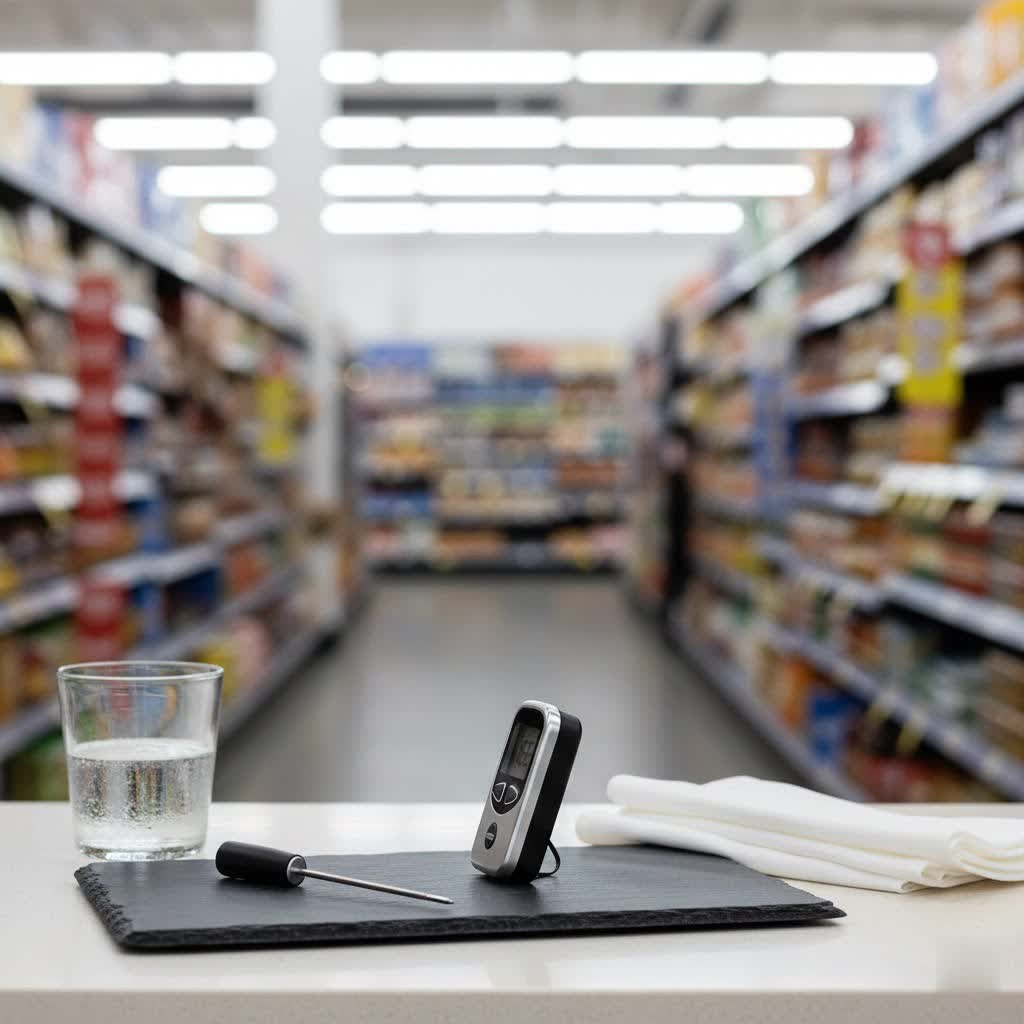
This comprehensive guide will demystify the world of meat thermometers, helping you understand their various types, why they are crucial, and how to select and use the best one for your cooking style. Whether you’re a seasoned chef or a beginner home cook, mastering your meat thermometer will elevate your dishes and bring confidence to your kitchen.
Meat Thermometers: Overview and Why You Need One
A meat thermometer is a specialized device designed to measure the internal temperature of cooked foods, particularly meats. It typically features a metal probe that is inserted into the thickest part of the food, with a display unit showing the precise temperature. Its primary purpose is to ensure food safety by confirming that meat reaches a temperature high enough to kill harmful bacteria, and to guarantee optimal doneness, preventing both undercooking and overcooking.
Using a meat thermometer isn’t just about safety; it’s about flavor and texture. Guessing doneness by color or touch often leads to inconsistent results. A thermometer removes the guesswork, allowing you to achieve that perfectly juicy medium-rare steak, a tender, fully cooked chicken, or a succulent, fall-off-the-bone roast every single time. It’s a simple tool that provides profound control over your cooking, ensuring consistently delicious and safe meals for you and your loved ones.
Popular Meat Thermometer Types: Pros and Cons
The market offers a variety of meat thermometers, each with distinct features, advantages, and limitations. Understanding these differences is key to choosing the right tool for your specific cooking needs.
Analog Meat Thermometer
These are the traditional thermometers with a dial face and a needle that indicates the temperature. Some analog models are oven-safe, designed to be left in the meat during cooking.
- Pros: Generally inexpensive, does not require batteries, simple to use without complex settings.
- Cons: Often less accurate and slower to register temperature compared to digital models. The dial can be difficult to read precisely, especially through an oven door or in low light. Not ideal for thin cuts of meat.
|
Our Picks for the Best Meat Thermometer in 2026
As an Amazon Associate I earn from qualifying purchases.
|
||
| Num | Product | Action |
|---|---|---|
| 1 | ThermoPro TP19H Digital Meat Thermometer for Cooking with Ambidextrous Backlit and Motion Sensing Kitchen Cooking Food Thermometer for BBQ Grill Smoker Oil Fry Candy Instant Read Thermometer |

|
| 2 | Meat Thermometer Digital for Grilling and Cooking - ANDAXIN Waterproof Ultra-Fast Instant Read Food thermometers with Backlight & Calibration for Kitchen, Deep Fry, BBQ, Grill(Red/Black), LCD |
|
| 3 | 2 Pack Stainless Steel Meat Thermometer, Safe Leave in Oven, 2.5-in Extra-Large Dial Food Thermometer for Cooking, Temperature Probe for Baking, Steak, Turkey - Kitchen Gadgets - Silver |
|
| 4 | Meat Thermometer Digital - Instant Read Waterproof Food Thermometer with Backlight for Cooking, Grill, Candy, Kitchen & Stocking Stuffers for Men - Red |
|
| 5 | Instant Read Meat Thermometer, Fast & Accurate Digital Food Thermometer with Backlight, Waterproof & Magnet for Grilling, Cooking, BBQ, Smoker, Baking, and Candy Making Blue |
|
| 6 | Escali AH1 Stainless Steel Oven Safe Meat Thermometer, Extra Large 2.5-inches Dial, Temperature Labeled for Beef, Poultry, Pork, and Veal Silver NSF Certified |
|
| 7 | Meat Thermometer Digital, Instant Read Meat ThermometerI for Grill and Cooking, Waterproof Food Thermometer for Kitchen and Outside, BBQ, Turkey, Candy, Liquids, Beef |
|
| 8 | 0.5 Sec Instant Read Meat Thermometer Digital with ±0.5℉ Precision, Food Thermometer for Cooking Kitchen Gadgets, Oven Grill Candy BBQ Essentials Accessories, Gifts for Him Dad Men Birthday, Red |
|
| 9 | Alpha Grillers Meat Thermometer Digital - Instant Read Food Thermometer for Cooking and Grilling Gifts for Men Valentines Day Gifts for Him Her Mom Dad |
|
| 10 | ThermoPro TP16 Large LCD Digital Cooking Food Meat Thermometer for Smoker Oven Kitchen BBQ Grill Thermometer Clock Timer with Stainless Steel Temperature Probe |
|
Digital Meat Thermometer
Digital thermometers use electronic sensors to provide quick, precise temperature readings on an easy-to-read digital display. This category includes both instant-read and probe-style models.
- Pros: High accuracy, fast temperature readings (often within seconds), clear digital display (many with backlights). Many models offer additional features like preset alarms, programmable settings for different meat types, and auto-shutoff.
- Cons: Requires batteries, and advanced models can be more expensive than basic analog ones.
Probe Meat Thermometer (Leave-in)
Probe thermometers, typically digital, consist of a long probe connected by a heat-resistant cable to a separate display unit. These are designed to remain in the meat throughout the cooking process.
- Pros: Allows for continuous temperature monitoring without opening the oven or grill, which helps maintain consistent cooking conditions. Ideal for roasts, smokers, and long cooking times. Many come with alarms that alert you when the target temperature is reached, and some offer wireless connectivity for remote monitoring.
- Cons: The probe placement must be careful to avoid bones or heating elements. Wired models can sometimes be cumbersome. Some probes may have limitations on the maximum temperature they can withstand, especially for very high-heat searing.
Instant-Read Meat Thermometer
Often digital, instant-read thermometers provide rapid temperature measurements, usually within 1-3 seconds. They are handheld and are not meant to be left in the food during cooking.
- Pros: Exceptionally fast and highly accurate readings. Extremely versatile for quick spot checks on grilled foods, pan-fried items, candy making, or deep-frying oil. Many are compact and portable.
- Cons: Cannot be left in the oven or grill, requiring you to open the appliance to take a reading. This can cause temperature fluctuations inside the cooking chamber.
Comparison Table of Meat Thermometer Types
| Type | Accuracy | Speed | Key Features | Price Range | Pros | Cons |
|---|---|---|---|---|---|---|
| Analog (Dial) | Moderate | Slow | Basic dial display, some oven-safe | $10 – $25 | Very affordable, no batteries | Less accurate, hard to read, slow, not for thin cuts |
| Digital Instant-Read | High (±1°F) | Very Fast (1-3 sec) | Digital display, backlight, hold function, auto-off | $15 – $50 | Quick, accurate, versatile, portable | Not for leave-in use, batteries required |
| Digital Probe (Leave-in) | High (±1°F) | Moderate | External display, alarms, timer, oven-safe probe | $25 – $75 | Continuous monitoring, consistent cooking | Probe placement critical, wires can be awkward (for wired models) |
| Smart/Wireless Probe | High (±1°F) | Moderate | App-controlled, Bluetooth/Wi-Fi, multiple probes, advanced alerts | $50 – $200+ | Remote monitoring, detailed data, smart features | Higher cost, relies on app/connectivity, battery life considerations |
How to Choose the Right Meat Thermometer
Selecting the best meat thermometer involves evaluating your cooking habits, budget, and desired features.
Determine Your Cooking Needs
Consider the types of dishes you prepare most often. Do you frequently roast large cuts of meat like turkey or prime rib, where continuous monitoring is beneficial? A leave-in probe thermometer would be ideal here. If you primarily grill steaks, pan-fry chicken breasts, or enjoy baking and making candy, a digital instant-read thermometer offers the speed and accuracy you need for quick checks. For smoking or complex barbecue, a wireless smart thermometer provides the convenience of remote monitoring and detailed tracking.
Also, think about the precision you require. Most digital thermometers offer high accuracy (within ±1°F), which is crucial for food safety and achieving perfect doneness.
Consider Your Budget
Meat thermometers are available across a wide price spectrum. Basic analog models are very affordable, while high-end smart thermometers with multiple probes and wireless capabilities can be a significant investment. Determine what you are willing to spend, keeping in mind that a reliable meat thermometer is a long-term investment in better cooking. There are excellent budget-friendly digital options that offer great performance without breaking the bank.
Brand Reputation and Reviews
Researching reputable brands and reading user reviews can provide invaluable insights into a thermometer’s real-world performance and durability. Brands like ThermoWorks, ThermoPro, Meater, and ChefsTemp are consistently highly rated for their accuracy, speed, and reliability. Look for feedback on ease of use, display readability, battery life, and customer support.
Using Your Meat Thermometer Correctly
Even the best meat thermometer is only as effective as its proper use. Correct placement and understanding safe temperatures are vital.
To get an accurate reading, always insert the thermometer probe into the thickest part of the meat, avoiding bone, gristle, or fat, as these can give inaccurate temperature readings. For whole poultry, insert into the inner thigh without touching the bone. For roasts, insert into the center.
Safe Cooking Temperatures (USDA Guidelines)
Using a meat thermometer ensures that your food reaches a safe minimum internal temperature, effectively destroying harmful bacteria. Here are general USDA guidelines:
- Ground Meats (Beef, Pork, Veal, Lamb): 160°F (71°C)
- All Poultry (Whole, Pieces, Ground): 165°F (74°C)
- Beef, Pork, Veal, Lamb (Steaks, Chops, Roasts): 145°F (63°C) with a 3-minute rest time after removal from heat.
- Fresh or Smoked Ham (Uncooked): 145°F (63°C) with a 3-minute rest time.
- Leftovers & Casseroles: 165°F (74°C)
Remember, after removing meat from the heat source, its internal temperature may continue to rise by a few degrees during a “rest time.” This carryover cooking is important for achieving final doneness and for food safety.
Cleaning and Storage
Proper cleaning and storage extend the life of your thermometer and prevent cross-contamination. Always clean the probe thoroughly with hot, soapy water after each use. For most digital probes, the display unit should not be submerged in water. Store your thermometer in a clean, dry place to protect its sensor and ensure its longevity. Some thermometers can also be checked for accuracy using an ice water bath (should read 32°F / 0°C).
Top 5 Best Meat Thermometers Reviewed
Based on expert testing and widespread user acclaim, here are five highly recommended meat thermometers that cater to various needs and budgets:
1. ThermoWorks Thermapen ONE (Best Overall Instant-Read)
The gold standard for instant-read thermometers, the Thermapen ONE delivers incredibly fast and accurate readings in just one second. Its rugged, splash-proof design, auto-rotating display, and motion-sensing sleep/wake mode make it a favorite among professional chefs and serious home cooks. While an investment, its speed, accuracy, and durability are unmatched.
2. ThermoPro TP20 Wireless Remote Meat Thermometer (Best Value Leave-in Probe)
For those who need to monitor temperatures from a distance, the ThermoPro TP20 offers excellent value. It features dual probes for monitoring both meat and ambient temperatures, a large LCD display, and a wireless range of up to 300 feet. With USDA-preset temperatures and customizable alarms, it’s perfect for grilling, smoking, and roasting, allowing you to move freely while your food cooks.
3. Meater Plus Smart Wireless Meat Thermometer (Best Wireless Smart Thermometer)
The Meater Plus is a completely wireless probe that connects to your smartphone via Bluetooth, offering ultimate freedom and smart features. It uses two sensors to monitor both internal meat temperature and ambient oven/grill temperature. The accompanying app provides estimated cook times, alerts, and guided cooking programs, making it fantastic for long cooks, smoking, and sous vide.
4. Lavatools Javelin PRO Duo (Excellent Instant-Read Alternative)
A highly-rated competitor to the Thermapen, the Javelin PRO Duo offers rapid readings (1-3 seconds) with impressive accuracy. It boasts a large, backlit display, a splash-proof body, and a magnetic backing for convenient storage. It’s a fantastic choice for home cooks looking for a high-performing instant-read thermometer at a slightly more accessible price point.
5. ThermoWorks ThermoPop 2 (Best Budget Instant-Read)
For a reliable, quick, and budget-friendly instant-read option, the ThermoPop 2 is a standout. It provides fast readings in 2-3 seconds, has an easy-to-read rotating display with a backlight, and comes in various fun colors. It’s an excellent entry-level instant-read thermometer that delivers consistent performance without a hefty price tag, perfect for everyday cooking tasks.
Conclusion
A meat thermometer is more than just a gadget; it’s a culinary game-changer that empowers you to cook with confidence and precision. By understanding the different types available, considering your specific needs, and learning how to use it correctly, you unlock the secret to perfectly cooked, flavorful, and safe meals every time. Investing in the best meat thermometer for your kitchen is an investment in culinary success, transforming guesswork into guaranteed deliciousness. So, what delicious, perfectly cooked dish will you create next?
Frequently Asked Questions
What is the difference between an instant-read and a leave-in meat thermometer?
An instant-read thermometer is a handheld device used for quick spot checks and is removed after reading, typically providing results in 1-3 seconds. A leave-in thermometer, conversely, has a probe that remains in the meat throughout cooking, continuously monitoring the temperature, often with a separate display unit outside the oven or grill.
How do I know my meat thermometer is accurate?
You can check your thermometer’s accuracy using an ice water bath. Fill a glass with crushed ice and then add cold water. Stir for 30 seconds, then insert your thermometer, ensuring the probe doesn’t touch the bottom or sides of the glass. A correctly calibrated thermometer should read 32°F (0°C).
Can I use a meat thermometer for other foods?
Absolutely! Meat thermometers are versatile tools. Instant-read models are excellent for checking the temperature of baked goods, candy, deep-frying oil, or even hot beverages. Probe thermometers can monitor the temperature of casseroles, stews, or even liquids during slow cooking.
What are the safest internal temperatures for different meats?
According to USDA guidelines, all poultry should reach 165°F (74°C). Ground meats like beef, pork, and lamb should be cooked to 160°F (71°C). Whole cuts of beef, pork, veal, and lamb (steaks, chops, roasts) should reach 145°F (63°C) with a subsequent 3-minute rest time.
How do smart meat thermometers work?
Smart meat thermometers typically use a wireless probe (Bluetooth or Wi-Fi enabled) that communicates with an app on your smartphone or a dedicated receiver. They allow you to monitor internal meat temperature, ambient cooking temperature, set alarms, and often provide estimated cook times and guided cooking programs, all from a distance.
