Preparing a succulent, perfectly cooked turkey can be the highlight of any festive meal, yet many home cooks face the challenge of ensuring it’s both safe to eat and delightfully juicy. The secret to achieving this culinary triumph lies not in guesswork or cooking by time alone, but in the precision of a reliable meat thermometer. It’s the ultimate tool for banishing dry, overcooked poultry and safeguarding your family from foodborne illnesses.
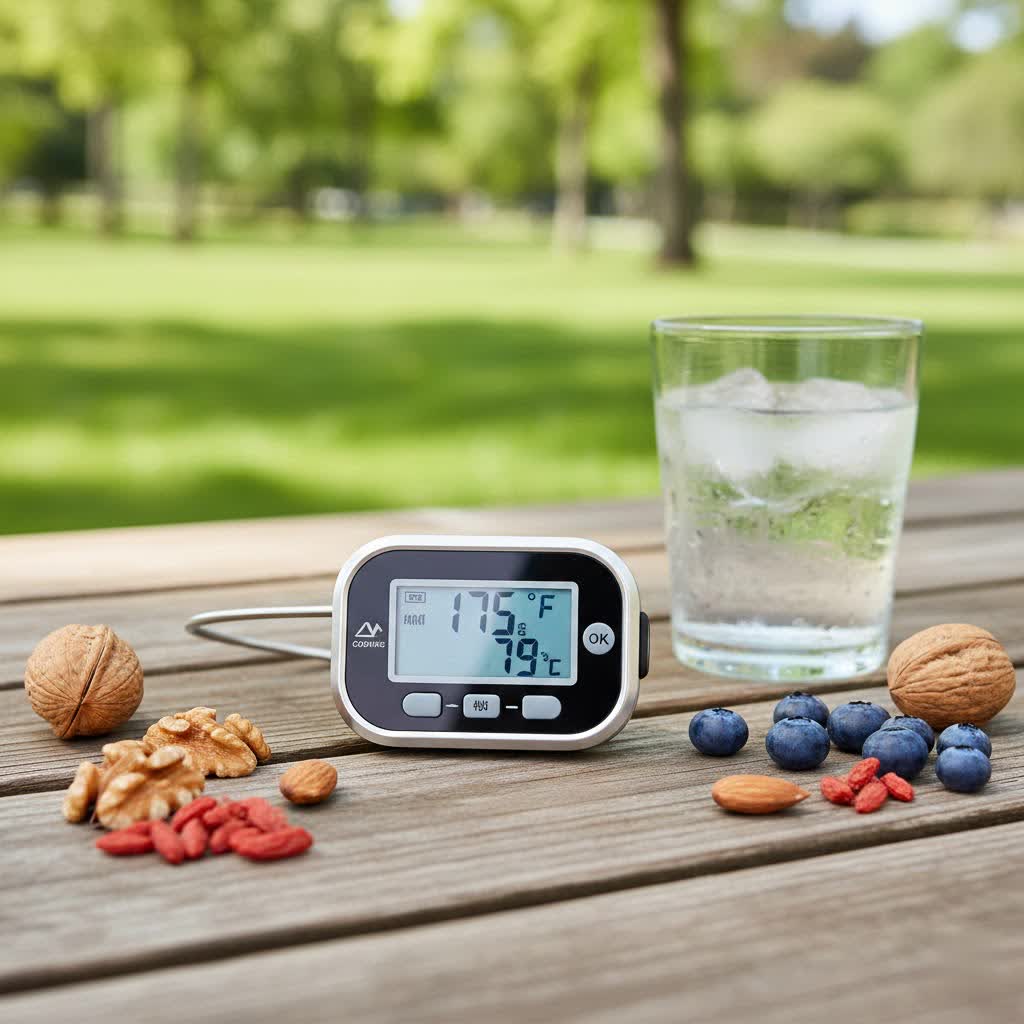
This comprehensive guide will walk you through everything you need to know about selecting, using, and trusting a meat thermometer for your turkey. From understanding different types to mastering probe placement and recognizing the critical internal temperatures, you’ll gain the confidence to cook your turkey to perfection every time.
The Indispensable Role of a Meat Thermometer in Turkey Preparation
At its core, a meat thermometer is a device designed to measure the internal temperature of food. For turkey, its utility extends far beyond mere convenience; it’s a critical component of food safety and culinary excellence.
Using a meat thermometer is paramount for several reasons. Firstly, it ensures your turkey reaches the minimum safe internal temperature required to destroy harmful bacteria like Salmonella and Campylobacter, which can cause serious foodborne illnesses. Visually judging doneness by skin color or “clear juices” is notoriously unreliable and can lead to dangerous undercooking. Secondly, a thermometer helps you achieve optimal taste and texture. Overcooking turkey, a common pitfall, results in dry, stringy meat that lacks moisture and flavor. By accurately monitoring the temperature, you can pull the turkey from the oven or grill at precisely the right moment, guaranteeing a tender, juicy centerpiece for your meal.
On the market today, there are several common types of meat thermometers, each with distinct advantages and ideal applications for turkey. Understanding these differences is the first step toward selecting the best tool for your cooking needs.
Unpacking the Different Types of Meat Thermometers for Turkey
Choosing the right meat thermometer for your turkey can seem daunting with the array of options available. Each type offers a unique blend of features, accuracy, and ease of use.
Analog Meat Thermometer
These are the traditional dial thermometers, often found at a lower price point.
- Pros: Generally inexpensive, does not require batteries, and is simple to operate.
- Cons: Less accurate than digital counterparts, readings can be slow to register, and the small dial can be difficult to read precisely. For turkey, their slower response time and lower accuracy make them less ideal for ensuring food safety and perfect doneness compared to digital models. Many experts recommend verifying their readings with a more precise tool.
|
Our Picks for the Best Meat Thermometer in 2026
As an Amazon Associate I earn from qualifying purchases.
|
||
| Num | Product | Action |
|---|---|---|
| 1 | Meat Thermometer Digital for Grilling and Cooking - ANDAXIN Waterproof Ultra-Fast Instant Read Food thermometers with Backlight & Calibration for Kitchen, Deep Fry, BBQ, Grill(Red/Black), LCD |

|
| 2 | Instant Read Meat Thermometer, Fast & Accurate Digital Food Thermometer with Backlight, Waterproof & Magnet for Grilling, Cooking, BBQ, Smoker, Baking, and Candy Making Blue |
|
| 3 | Alpha Grillers Meat Thermometer Digital - Instant Read Food Thermometer for Cooking and Grilling Gifts for Men Valentines Day Gifts for Him Her Mom Dad |
|
| 4 | ThermoPro TP19H Digital Meat Thermometer for Cooking with Ambidextrous Backlit and Motion Sensing Kitchen Cooking Food Thermometer for BBQ Grill Smoker Oil Fry Candy Instant Read Thermometer |
|
| 5 | ThermoPro TP16 Large LCD Digital Cooking Food Meat Thermometer for Smoker Oven Kitchen BBQ Grill Thermometer Clock Timer with Stainless Steel Temperature Probe |
|
| 6 | Escali AH1 Stainless Steel Oven Safe Meat Thermometer, Extra Large 2.5-inches Dial, Temperature Labeled for Beef, Poultry, Pork, and Veal Silver NSF Certified |
|
| 7 | Meat Thermometer Digital - Instant Read Waterproof Food Thermometer with Backlight for Cooking, Grill, Candy, Kitchen & Stocking Stuffers for Men - Red |
|
| 8 | 2 Pack Stainless Steel Meat Thermometer, Safe Leave in Oven, 2.5-in Extra-Large Dial Food Thermometer for Cooking, Temperature Probe for Baking, Steak, Turkey - Kitchen Gadgets - Silver |
|
| 9 | 0.5 Sec Instant Read Meat Thermometer Digital with ±0.5℉ Precision, Food Thermometer for Cooking Kitchen Gadgets, Oven Grill Candy BBQ Essentials Accessories, Gifts for Him Dad Men Birthday, Red |
|
| 10 | Meat Thermometer Digital, Instant Read Meat ThermometerI for Grill and Cooking, Waterproof Food Thermometer for Kitchen and Outside, BBQ, Turkey, Candy, Liquids, Beef |
|
Digital Meat Thermometer
Digital thermometers have become a favorite for their speed and clarity.
- Pros: Offer high accuracy, typically within a degree or two, and feature easy-to-read digital displays. Many come with additional features like alarms for target temperatures and built-in timers, enhancing convenience during long cooking processes like roasting a turkey.
- Cons: They require batteries to operate and are generally more expensive than analog thermometers.
Probe (Leave-in) Meat Thermometer
These thermometers are designed to remain in the turkey throughout the cooking process.
- Pros: Provide continuous temperature monitoring, often with a heat-resistant probe that can stay in the oven or grill. Many models feature a display unit that sits outside the cooking appliance, or even connect wirelessly via Bluetooth or Wi-Fi to a smartphone app, allowing for remote tracking. This is particularly useful for large birds like turkey, enabling you to track progress without constantly opening the oven door.
- Cons: Wired versions can limit the turkey’s movement, and care must be taken to place the probe correctly to avoid false readings.
Instant-Read Meat Thermometer
As the name suggests, these thermometers provide quick temperature readings.
- Pros: Offer super-fast measurements, typically within 2-5 seconds, making them perfect for quick spot checks. They are handheld and portable, ideal for verifying doneness in different sections of a large turkey or for last-minute checks.
- Cons: Most instant-read thermometers are not oven-safe and cannot be left in the turkey during cooking. They are best used for intermittent checks toward the end of the cooking process.
Pop-Up Thermometer
Many whole turkeys come with a small plastic “pop-up” thermometer already inserted.
- Pros: It’s a convenient visual indicator that the turkey has reached a basic level of doneness.
- Cons: Pop-up thermometers are often less reliable than dedicated meat thermometers. They typically trigger at a higher temperature than the USDA-recommended minimum for all parts of the bird, potentially leading to overcooked, dry meat. Experts strongly recommend verifying doneness with a conventional meat thermometer.
Comparative Chart: Choosing Your Ideal Turkey Meat Thermometer
To help you decide which meat thermometer best suits your turkey cooking adventures, here’s a comparative overview:
| Thermometer Type | Accuracy | Speed | Features | Price Range | Best Use for Turkey |
|---|---|---|---|---|---|
| Analog | Moderate | Slow (30-60 sec) | Basic temperature reading | Low ($10-$20) | Budget-friendly, secondary check (not recommended as primary) |
| Digital | High | Fast (5-10 sec) | Alarms, timers, backlights | Medium ($20-$50) | Reliable spot checks, general purpose |
| Probe (Leave-in) | High | Continuous monitor | Remote monitoring, alarms, presets | Medium-High ($40-$100+) | Continuous monitoring during roasting/smoking, large birds |
| Instant-Read | Very High | Very Fast (2-5 sec) | Quick spot checks | Medium ($30-$80) | Final verification in multiple spots, quick checks |
| Pop-Up | Low (not reliable) | Automatic | Simple indicator | Included | Supplement with a more accurate thermometer |
How to Select the Perfect Meat Thermometer for Your Turkey
Choosing the right meat thermometer is a crucial step in ensuring your turkey is cooked perfectly. Consider these factors to align your choice with your specific cooking habits and needs.
Assess Your Cooking Style & Needs
Your cooking method significantly impacts the type of thermometer that will serve you best.
- Whole Turkey vs. Parts: For a whole roasted or smoked turkey, a leave-in probe thermometer (especially a wireless smart model) offers continuous monitoring, which is incredibly convenient. If you’re cooking individual turkey breasts or thighs, an instant-read thermometer might suffice for quick checks.
- Roasting, Grilling, or Smoking: Leave-in probes are excellent for longer cooking methods like roasting, grilling, or smoking, as they can withstand oven/smoker temperatures and provide constant readings. Wireless models allow you to monitor from a distance, freeing you up to enjoy guests or prepare sides.
- Need for Continuous Monitoring vs. Quick Checks: If you prefer to set it and forget it, with alerts when your target temperature is reached, a probe thermometer is ideal. For those who like to check actively or need to measure in multiple spots, an accurate instant-read thermometer is indispensable.
- Smart Features (Bluetooth/Wi-Fi): Modern wireless thermometers offer apps with preset temperatures for different meats, estimated cook times, and graphs of temperature progression. If you enjoy smart kitchen gadgets and remote monitoring, these features can greatly enhance your cooking experience.
Budget Considerations
Meat thermometers vary widely in price, from basic analog models to high-tech wireless systems.
- Entry-level digital or instant-read thermometers are available for under $30 and offer good accuracy for occasional use.
- Mid-range options ($40-$80) often include more features like alarms, faster readings, and more durable construction.
- Premium smart thermometers can cost $100 or more, offering advanced wireless capabilities, multiple probes, and sophisticated app integration. Determine how frequently you’ll use the thermometer and what features are essential to find a balance between cost and functionality.
Brand Reputation and Reviews
Investing in a thermometer from a reputable brand can save you frustration in the long run. Look for brands known for their accuracy, durability, and customer support. Reading user reviews is also highly beneficial. Pay attention to comments regarding accuracy, ease of use, battery life (for digital/wireless models), and how well the thermometer performs with large cuts of meat like turkey. Real-world feedback can offer valuable insights into a product’s true performance.
Achieving Perfection: Proper Turkey Meat Thermometer Usage
Using your meat thermometer correctly is just as important as choosing the right one. Precision in placement and understanding target temperatures are key to a perfectly cooked, safe turkey.
Optimal Placement
For accurate readings in a whole turkey, you should check the temperature in multiple locations, specifically the thickest parts of the meat.
- Thickest part of the breast: Insert the probe into the deepest part of the breast, avoiding the bone. Angle the thermometer so the tip rests in the center of the thickest muscle.
- Innermost part of the thigh: Insert the probe into the thickest part of the inner thigh, making sure it doesn’t touch the bone or any gristle. The thigh meat typically takes longer to cook than the breast.
- Innermost part of the wing: For larger turkeys, it’s also wise to check the thickest part of the wing.
Crucially, always ensure the thermometer’s tip is fully embedded in the meat and does not touch any bones, gristle, or the pan. Bones conduct heat differently and can lead to inaccurate readings, potentially causing you to pull the turkey too early or too late. If you feel resistance, simply reposition the probe until it glides smoothly into the fleshy part of the bird.
USDA Recommended Internal Temperatures
According to the U.S. Department of Agriculture (USDA), a whole turkey is safely cooked when it reaches a minimum internal temperature of 165°F (74°C) in the thickest part of the breast, thigh, and wing.
While 165°F is the safe minimum for all poultry, some cooks prefer to cook the dark meat (thighs and drumsticks) to a slightly higher temperature, around 170-175°F (77-79°C), as this can result in a more tender texture for those parts. Always ensure the breast reaches at least 165°F.
If you are stuffing your turkey, the stuffing itself must also reach 165°F. For optimum safety, it is often recommended to cook stuffing separately in a casserole dish.
Once your turkey reaches the target temperature, remove it from the oven and let it rest for at least 20-30 minutes before carving. This “carryover cooking” allows the internal temperature to rise slightly (typically 5-10°F) and the juices to redistribute throughout the meat, resulting in a more succulent bird.
Cleaning & Maintenance
After each use, clean your meat thermometer thoroughly. Wash the probe with hot, soapy water, or wipe it with an antibacterial sanitizing wipe to prevent cross-contamination. For probes that can be submerged, a dishwasher-safe design simplifies cleaning. Store your thermometer in a clean, dry place to protect it from damage and keep it ready for your next culinary creation.
Top 5 Meat Thermometers for Turkey: Expert Reviews
To help you narrow down your choices, here are five highly-regarded meat thermometers that excel in cooking turkey:
- Meater Plus: This wireless, smart meat thermometer is a game-changer for turkey. It features dual sensors to monitor both the internal meat temperature and the ambient oven/grill temperature, connecting to your smartphone via an intuitive app. The app offers guided cooks, estimated finish times, and alerts, allowing you to monitor your turkey remotely and achieve perfect results without opening the oven.
- ThermoWorks ChefAlarm: A favorite among professionals and serious home cooks, the ChefAlarm is a highly accurate, wired probe thermometer. It boasts an expansive temperature range, an easy-to-read display with a backlight, and customizable alarms. Its robust design makes it ideal for continuous monitoring of your turkey throughout long roasting or smoking sessions.
- ThermoPro TP25 4 Probe Bluetooth Remote Meat Thermometer: For those cooking larger turkeys or needing to monitor multiple items simultaneously, the ThermoPro TP25 offers four probes and a strong Bluetooth range. It’s budget-friendly while still providing reliable accuracy and app connectivity with customizable alerts and temperature presets, perfect for keeping tabs on various parts of your turkey.
- ChefsTemp Finaltouch X10 Instant Read Digital Meat Thermometer: This instant-read thermometer provides ultra-fast and precise readings, typically in just 2-3 seconds. Its large, rotatable display and waterproof design make it incredibly user-friendly for quick checks in different sections of your turkey, ensuring every part reaches its target temperature.
- OXO Good Grips Chef’s Precision Digital Thermometer: A fantastic budget-friendly instant-read option, this OXO thermometer combines simplicity with reliable performance. It features a long probe, an easy-to-read digital display, and provides quick, accurate readings, making it a great tool for verifying turkey doneness without breaking the bank.
Conclusion
A meat thermometer is more than just a kitchen gadget; it is an indispensable tool for achieving a safe, flavorful, and perfectly cooked turkey. By understanding the different types available, knowing where to insert the probe, and adhering to USDA temperature guidelines, you can transform your holiday feast from a source of stress into a culinary triumph. Whether you opt for a simple instant-read, a reliable wired probe, or a high-tech wireless model, embracing the precision of a meat thermometer will ensure every bite of your turkey is juicy, tender, and absolutely delicious.
So, are you ready to elevate your turkey cooking and become a master of your holiday kitchen?
Frequently Asked Questions
Is 165°F the right temperature for turkey?
Yes, according to USDA guidelines, all parts of a whole turkey, including the breast, thigh, and stuffing, must reach a minimum internal temperature of 165°F (74°C) to be safe for consumption. While the dark meat can be cooked to a slightly higher temperature for tenderness, 165°F is the critical safety benchmark.
Can I rely on the pop-up thermometer in my turkey?
Pop-up thermometers are generally not reliable enough on their own. They often indicate doneness at a higher temperature than necessary for safety, leading to overcooked turkey. It is always recommended to verify the temperature with a separate, accurate digital or probe meat thermometer in multiple locations.
Where exactly should I insert the thermometer in a whole turkey?
For a whole turkey, insert the thermometer into the thickest part of the breast, the innermost part of the thigh, and the thickest part of the wing. Crucially, ensure the probe avoids touching any bones, gristle, or cavities, as these can give inaccurate temperature readings.
How does resting the turkey affect the temperature?
After removing the turkey from the oven, allowing it to rest for 20-30 minutes enables “carryover cooking,” where the internal temperature can rise an additional 5-10°F. Resting also allows the juices to redistribute throughout the meat, resulting in a more succulent and flavorful turkey.
What’s the difference between a probe thermometer and an instant-read for turkey?
A probe (or leave-in) thermometer stays in the turkey throughout the cooking process, providing continuous temperature monitoring, often with remote capabilities. An instant-read thermometer is handheld and used for quick, intermittent checks in various spots towards the end of cooking, but it cannot be left in the oven.
