Cooking meat to perfection can feel like a delicate dance, often leading to either an undercooked disaster or an overcooked, dry disappointment. The secret to consistently succulent results and foolproof food safety lies in precise temperature control. A remote meat thermometer is your ultimate kitchen companion, transforming guesswork into gourmet with cutting-edge technology. This guide will walk you through everything you need to know about these indispensable devices, from their mechanics to choosing the best one for your culinary adventures.
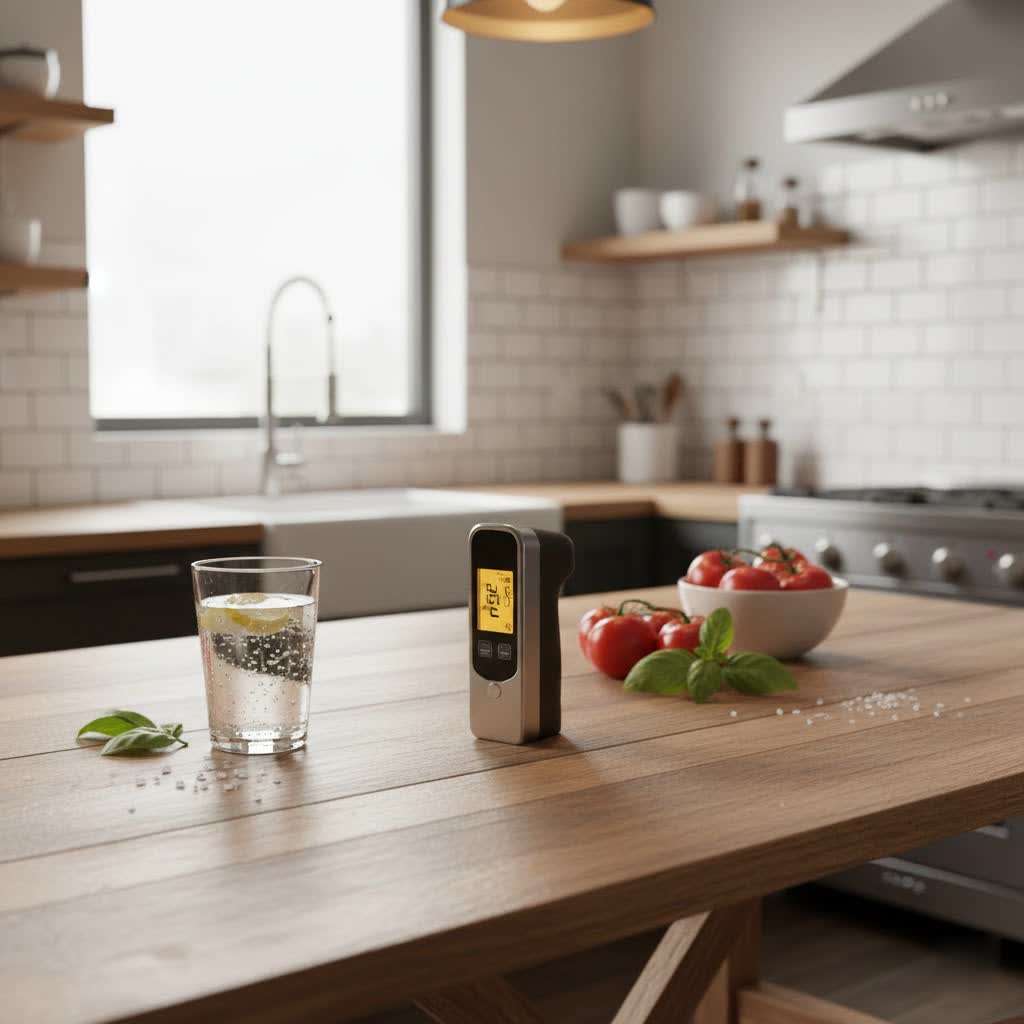
Remote Meat Thermometers: An Overview and Why They Are Essential
A remote meat thermometer is a sophisticated cooking tool designed to measure the internal temperature of food, primarily meat, and transmit that data wirelessly to a separate receiver or smartphone app. Gone are the days of constantly opening the oven door, lifting the grill lid, or anxiously poking your roast. With a remote thermometer, you can monitor your food’s progress from a distance, ensuring optimal doneness and peace of mind.
Why is using a remote meat thermometer so critical? Firstly, it’s a cornerstone of food safety. Undercooked meats can harbor harmful bacteria, leading to foodborne illnesses. By verifying that your poultry, pork, or beef reaches the USDA recommended safe internal temperatures, you protect yourself and your guests. Secondly, it guarantees culinary perfection. Achieving the ideal doneness—whether it’s a medium-rare steak, a juicy tenderloin, or a perfectly cooked turkey—is effortless. This precision prevents overcooking, preserving moisture, flavor, and texture that traditional methods often compromise. Finally, it offers unmatched convenience, allowing you to multitask, entertain, or simply relax while your meal cooks.
Today’s market offers several types of remote meat thermometers, primarily categorized by their wireless communication technology: Bluetooth, Wi-Fi, and Radio Frequency (RF). Each type provides remote monitoring, but they differ in range, connectivity, and feature sets.
Exploring Popular Remote Meat Thermometer Types: Pros and Cons
Understanding the nuances of each remote meat thermometer type will help you select the ideal device for your specific cooking needs.
Bluetooth Meat Thermometers
Bluetooth thermometers connect directly to your smartphone or tablet via a Bluetooth signal. They are generally the most common type of smart thermometer.
- Pros:
- Cost-effective: Often more affordable than Wi-Fi models.
- Easy Setup: Quick pairing with a smartphone app.
- Portability: Great for backyard grilling or tailgating where Wi-Fi might not be available.
- Feature-rich Apps: Many come with intuitive apps offering presets, alarms, and cooking graphs.
- Cons:
- Limited Range: Typically offer a range of 100-500 feet, which can be affected by walls and obstructions. Some advanced models can reach up to 1000 feet.
- Relies on Phone: Requires your smartphone to be within range.
|
Our Picks for the Best Meat Thermometer in 2026
As an Amazon Associate I earn from qualifying purchases.
|
||
| Num | Product | Action |
|---|---|---|
| 1 | Meat Thermometer Digital, Instant Read Meat ThermometerI for Grill and Cooking, Waterproof Food Thermometer for Kitchen and Outside, BBQ, Turkey, Candy, Liquids, Beef |

|
| 2 | Instant Read Meat Thermometer, Fast & Accurate Digital Food Thermometer with Backlight, Waterproof & Magnet for Grilling, Cooking, BBQ, Smoker, Baking, and Candy Making Blue |
|
| 3 | ThermoPro TP19H Digital Meat Thermometer for Cooking with Ambidextrous Backlit and Motion Sensing Kitchen Cooking Food Thermometer for BBQ Grill Smoker Oil Fry Candy Instant Read Thermometer |
|
| 4 | 0.5 Sec Instant Read Meat Thermometer Digital with ±0.5℉ Precision, Food Thermometer for Cooking Kitchen Gadgets, Oven Grill Candy BBQ Essentials Accessories, Gifts for Him Dad Men Birthday, Red |
|
| 5 | Escali AH1 Stainless Steel Oven Safe Meat Thermometer, Extra Large 2.5-inches Dial, Temperature Labeled for Beef, Poultry, Pork, and Veal Silver NSF Certified |
|
| 6 | Meat Thermometer Digital - Instant Read Waterproof Food Thermometer with Backlight for Cooking, Grill, Candy, Kitchen & Stocking Stuffers for Men - Red |
|
| 7 | Alpha Grillers Meat Thermometer Digital - Instant Read Food Thermometer for Cooking and Grilling Gifts for Men Valentines Day Gifts for Him Her Mom Dad |
|
| 8 | ThermoPro TP16 Large LCD Digital Cooking Food Meat Thermometer for Smoker Oven Kitchen BBQ Grill Thermometer Clock Timer with Stainless Steel Temperature Probe |
|
| 9 | 2 Pack Stainless Steel Meat Thermometer, Safe Leave in Oven, 2.5-in Extra-Large Dial Food Thermometer for Cooking, Temperature Probe for Baking, Steak, Turkey - Kitchen Gadgets - Silver |
|
| 10 | Meat Thermometer Digital for Grilling and Cooking - ANDAXIN Waterproof Ultra-Fast Instant Read Food thermometers with Backlight & Calibration for Kitchen, Deep Fry, BBQ, Grill(Red/Black), LCD |
|
Wi-Fi Meat Thermometers
Wi-Fi thermometers connect to your home Wi-Fi network, allowing for broader remote monitoring.
- Pros:
- Extended Range: Offers a virtually unlimited range as long as you have an internet connection, allowing you to monitor from anywhere.
- Robust Connectivity: Less prone to signal drops than Bluetooth over longer distances.
- Multi-User Access: Often allows multiple users to monitor the same cook.
- Cons:
- Higher Price: Generally more expensive than Bluetooth-only models.
- Requires Wi-Fi Network: Dependent on a stable home Wi-Fi connection.
- More Complex Setup: May require a base station or hub in addition to a smartphone app.
Radio Frequency (RF) Meat Thermometers
RF thermometers use radio frequency signals to transmit data to a dedicated handheld receiver, bypassing the need for a smartphone or Wi-Fi.
- Pros:
- Long Range: Many RF models boast impressive ranges, with some transmitting up to 2,000 feet in open spaces.
- Standalone Operation: Does not require a smartphone or Wi-Fi, making it a simple, direct solution.
- Reliability: Often very stable connections due to dedicated RF technology.
- Cons:
- Fewer “Smart” Features: Typically lack advanced app-based features like guided cooking or historical data.
- Dedicated Receiver: Requires carrying a separate receiver unit.
- Display Limitations: Information is usually displayed on a simple LCD screen, not a feature-rich app.
Analog Meat Thermometers (Traditional “Leave-in” Probes)
While not “remote,” these are often confused with probe thermometers and are worth noting for comparison.
- Pros:
- Very Affordable: Inexpensive and widely available.
- No Batteries: Operates without power.
- Cons:
- Low Accuracy: Often have a wider margin of error.
- Hard to Read: Smaller, sometimes fog-prone dials.
- Slow Response Time: Takes longer to register temperature changes.
- Not Remote: Requires you to be physically present to read the temperature.
Instant-Read Thermometers (Digital Handheld)
Also not “remote,” but essential for quick spot checks.
- Pros:
- Fast Readings: Provides temperature in a few seconds.
- Highly Accurate: Modern digital instant-reads are very precise.
- Portable: Small and easy to store.
- Cons:
- Not Leave-in: Cannot be left in the meat during cooking.
- Not Remote: Requires manual insertion and reading.
Comparative Analysis: Remote Meat Thermometer Types
| Feature | Bluetooth | Wi-Fi | RF (Radio Frequency) |
|---|---|---|---|
| Connectivity | Smartphone via Bluetooth | Smartphone via Wi-Fi (often with a hub) | Dedicated receiver via radio waves |
| Wireless Range | Limited (100-500 ft, some up to 1000 ft) | Excellent (Virtually unlimited with Wi-Fi) | Very Long (Up to 2,000 ft in open space) |
| Requires App | Yes | Yes | No (uses dedicated receiver) |
| Real-time Alerts | Yes (via app) | Yes (via app) | Yes (via receiver) |
| Portability | High (probe + phone) | Moderate (probe + hub + phone) | High (probe + receiver) |
| Complexity | Low | Moderate | Low (simple display on receiver) |
| Price Point | $$ | $$$ | $$-$$$ |
| Best For | Backyard grilling, smaller homes | Large homes, monitoring from outside home | Large properties, simple, direct monitoring |
| Typical Use | Grilling, oven roasting, smoking | Grilling, oven roasting, smoking, deep frying | Grilling, smoking |
How to Choose the Right Remote Meat Thermometer for You
Selecting the perfect remote meat thermometer involves considering several factors tailored to your cooking style and environment.
Determine Your Usage Needs
Consider the types of cooking you do most often and the environment.
- What kind of meat do you usually cook? Most thermometers are versatile, but some are optimized for thick cuts (multiple sensors) or specific methods like smoking (ambient temperature probes).
- What level of accuracy do you need? Most digital remote thermometers offer high accuracy (within 1°F), which is sufficient for most home cooks.
- Do you need special features? Look for features like preset temperature guides for different meats, customizable alarms for target temperatures, estimated cook times, flip reminders, rest timers, and graphical tracking of temperature over time. Some advanced models even offer guided cooking recipes.
- Cooking environment: If you’re often far from your grill or oven, a Wi-Fi or long-range RF model might be best. For closer monitoring, Bluetooth is perfectly adequate.
Consider Your Budget
Remote meat thermometers vary widely in price. Entry-level Bluetooth models can be quite affordable, while advanced Wi-Fi systems with multiple probes and smart hubs can be a significant investment. Determine what features are essential versus nice-to-have to find a balance that fits your budget.
Brand Reputation and Reviews
Opt for reputable brands known for their accuracy, durability, and customer support. Popular brands like MEATER, ThermoPro, INKBIRD, Chef iQ, and ThermoWorks are often highly rated. Reading user reviews can provide valuable insights into real-world performance, connectivity issues, and battery life.
Mastering Your Remote Meat Thermometer: Usage and Care
Proper use and maintenance will ensure your remote meat thermometer provides accurate readings and lasts for years.
Accurate Probe Insertion
For the most accurate readings, insert the probe into the thickest part of the meat, avoiding bones, which can conduct heat differently and give false readings. If your probe includes an ambient sensor (common in truly wireless probes), ensure the internal sensor is fully embedded in the meat and the ambient sensor is exposed to the cooking environment (e.g., grill or oven).
Understanding Safe Temperatures
Always refer to USDA guidelines for safe internal cooking temperatures for various meats to prevent foodborne illness. Here are a few examples:
- Poultry (whole, ground, parts): 165°F (74°C)
- Ground Meats (beef, pork, lamb, veal): 160°F (71°C)
- Beef, Pork, Veal, Lamb (steaks, roasts, chops):
- Medium-Rare: 145°F (63°C) (followed by a 3-minute rest)
- Medium: 160°F (71°C)
- Well-Done: 170°F (77°C)
- Fish: 145°F (63°C)
Remember to factor in “carryover cooking,” where the internal temperature of the meat continues to rise by a few degrees after it’s removed from the heat. It’s often best to pull the meat off the heat a few degrees below your target temperature.
Cleaning and Storage
Always clean your probe thoroughly after each use. Most probes are water-resistant or waterproof, allowing for easy cleaning with soap and water. Never submerge the entire unit (especially the transmitting base or receiver) unless explicitly stated by the manufacturer. Store your thermometer in a clean, dry place, and ensure wireless probes are charged if they have internal batteries.
Top 5 Remote Meat Thermometers to Consider Today
While specific recommendations can change, these brands consistently offer top-tier remote meat thermometers:
- MEATER Plus (or Pro/XL): Renowned for its truly wireless design, single-probe convenience with dual sensors (meat and ambient), and excellent app integration. The Plus offers extended Bluetooth range via its charger/repeater. The Pro and XL versions offer more probes and even longer range.
- ThermoPro TempSpike Pro Wi-Fi Meat Thermometer: A popular choice for its customizable features, Wi-Fi connectivity for unlimited range, and robust performance. It often includes multiple probes.
- CHEF iQ Sense Smart Wireless Meat Thermometer: Features multiple internal sensors for extreme accuracy, high heat resistance, and seamless integration with the CHEF iQ Smart Hub and app, providing extensive cooking guidance.
- INKBIRD Wireless Meat Thermometers (e.g., INT-11I-B, INT-14-BW): Known for their impressive Bluetooth/Wi-Fi connectivity options, long-range capabilities, and competitive pricing, making smart cooking accessible.
- ThermoWorks Smoke Remote BBQ Alarm Thermometer (RFX Wireless Probe Starter Kit): A professional-grade option, particularly favored by BBQ enthusiasts for its robust build, reliable RF signal, and dedicated receiver, offering exceptional range and accuracy without relying on a smartphone.
Each of these models brings unique strengths, from truly wire-free convenience to extreme range and professional-grade accuracy, catering to different levels of cooking expertise and preferences.
Conclusion
A remote meat thermometer is more than just a gadget; it’s an investment in culinary success, food safety, and stress-free cooking. By understanding the different types available—Bluetooth, Wi-Fi, and RF—and considering factors like range, features, and budget, you can find the perfect device to elevate your cooking. With real-time temperature monitoring and intelligent alerts, you can confidently achieve perfectly cooked, juicy meats every single time. So, are you ready to take the guesswork out of your kitchen and become a truly professional home chef?
Frequently Asked Questions
What is the difference between Bluetooth and Wi-Fi remote meat thermometers?
Bluetooth thermometers connect directly to your smartphone within a limited range (typically 100-500 feet), ideal for backyard use. Wi-Fi thermometers connect to your home network, offering virtually unlimited range as long as you have internet access, allowing you to monitor your cook from anywhere.
Can I leave a remote meat thermometer in the oven or grill during cooking?
Yes, the probes of remote meat thermometers are designed to be left in the meat throughout the cooking process. They are made from heat-resistant materials that can withstand high temperatures inside ovens, grills, and smokers, transmitting continuous temperature updates.
How do I ensure my remote meat thermometer is accurate?
Most quality remote meat thermometers are calibrated for accuracy. To verify, you can perform an ice water test (should read 32°F / 0°C) or a boiling water test (should read 212°F / 100°C at sea level). Always insert the probe into the thickest part of the meat, avoiding bone, for the most accurate internal temperature reading.
Do all remote meat thermometers have an ambient temperature sensor?
Many advanced remote meat thermometers, particularly truly wireless probes like MEATER, include both an internal meat sensor and an ambient (air) temperature sensor in a single probe. This allows you to monitor both the food’s internal temperature and the surrounding cooking environment simultaneously.
