Achieving perfectly cooked meat is an art, but it also relies on scientific precision. For home cooks, a reliable meat thermometer is the secret weapon to consistently deliver tender, juicy, and safe dishes. While the market is flooded with high-tech digital devices, the enduring appeal of non-digital meat thermometers remains strong. These classic, battery-free tools offer simplicity and dependability, proving that sometimes, the traditional approach is still the best. This comprehensive guide will explore the different types of non-digital meat thermometers, their unique benefits and drawbacks, how to choose the right one for your culinary needs, and essential tips for mastering their use in your kitchen.
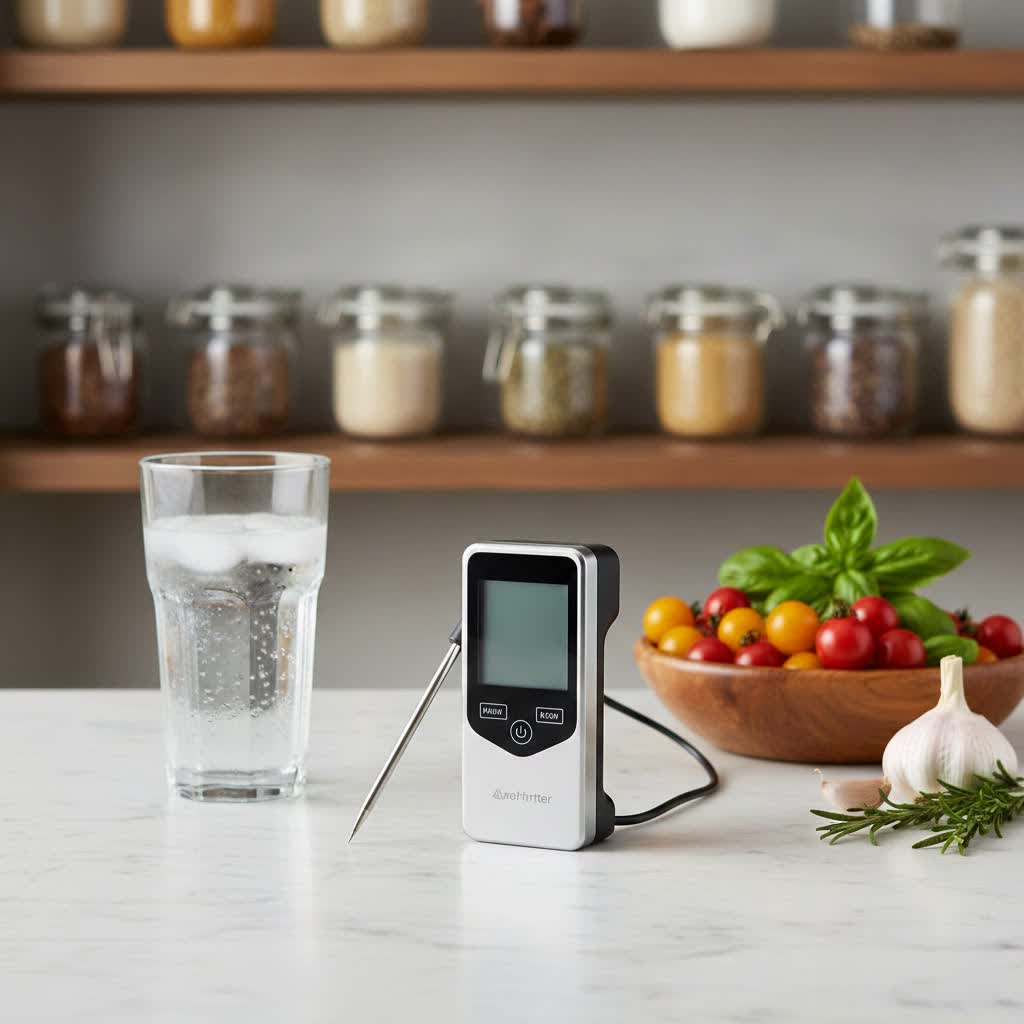
Non-Digital Meat Thermometers: The Foundation of Culinary Precision
A non-digital meat thermometer is a simple, mechanical device designed to measure the internal temperature of food, ensuring it reaches a safe and desired level of doneness. Unlike their electronic counterparts, these thermometers operate without batteries or complex circuits, relying on basic physical principles to provide a reading. Their primary purpose is twofold: to guarantee food safety by confirming harmful bacteria are eliminated, and to achieve perfect texture and flavor by preventing undercooking or overcooking.
The landscape of non-digital meat thermometers primarily consists of a few distinct types. The most common are analog or dial thermometers, which come in both instant-read and oven-safe variations. Additionally, pop-up thermometers, often found in poultry, represent another, albeit less precise, non-digital option. Each type offers a unique user experience and is suited for different cooking scenarios, making it crucial to understand their individual characteristics.
Exploring Non-Digital Meat Thermometer Types: Strengths and Weaknesses
Non-digital meat thermometers, though simple, vary in design and application. Understanding each type’s advantages and disadvantages will help you make an informed choice for your cooking style.
Analog Dial Instant-Read Thermometers
These are typically compact, featuring a metal probe and a circular dial display. You insert the probe into the meat, wait for the dial to stabilize, and then remove it to read the temperature.
- Pros:
- Inexpensive: Generally the most budget-friendly option.
- No Batteries Required: Always ready to use, no power concerns.
- Durable: With fewer delicate electronic components, they can often withstand more wear and tear.
- Simple to Use: Straightforward insertion and reading.
- Cons:
- Slower Readings: Can take 15-20 seconds to provide a stable reading, which is slower than digital instant-read options.
- Harder to Read: The dial can be challenging to interpret quickly, especially in low light or for those with vision impairments, and may offer less precise readings than digital models.
- Less Precise: Typically measure in larger increments (e.g., 2-degree intervals), making it harder to pinpoint exact temperatures.
- Not Oven-Safe: These are designed for quick spot checks and should not be left in the oven during cooking.
|
Our Picks for the Best Meat Thermometer in 2026
As an Amazon Associate I earn from qualifying purchases.
|
||
| Num | Product | Action |
|---|---|---|
| 1 | 0.5 Sec Instant Read Meat Thermometer Digital with ±0.5℉ Precision, Food Thermometer for Cooking Kitchen Gadgets, Oven Grill Candy BBQ Essentials Accessories, Gifts for Him Dad Men Birthday, Red |

|
| 2 | ThermoPro TP16 Large LCD Digital Cooking Food Meat Thermometer for Smoker Oven Kitchen BBQ Grill Thermometer Clock Timer with Stainless Steel Temperature Probe |
|
| 3 | Alpha Grillers Meat Thermometer Digital - Instant Read Food Thermometer for Cooking and Grilling Gifts for Men Valentines Day Gifts for Him Her Mom Dad |
|
| 4 | Instant Read Meat Thermometer, Fast & Accurate Digital Food Thermometer with Backlight, Waterproof & Magnet for Grilling, Cooking, BBQ, Smoker, Baking, and Candy Making Blue |
|
| 5 | ThermoPro TP19H Digital Meat Thermometer for Cooking with Ambidextrous Backlit and Motion Sensing Kitchen Cooking Food Thermometer for BBQ Grill Smoker Oil Fry Candy Instant Read Thermometer |
|
| 6 | 2 Pack Stainless Steel Meat Thermometer, Safe Leave in Oven, 2.5-in Extra-Large Dial Food Thermometer for Cooking, Temperature Probe for Baking, Steak, Turkey - Kitchen Gadgets - Silver |
|
| 7 | Meat Thermometer Digital - Instant Read Waterproof Food Thermometer with Backlight for Cooking, Grill, Candy, Kitchen & Stocking Stuffers for Men - Red |
|
| 8 | Meat Thermometer Digital, Instant Read Meat ThermometerI for Grill and Cooking, Waterproof Food Thermometer for Kitchen and Outside, BBQ, Turkey, Candy, Liquids, Beef |
|
| 9 | Escali AH1 Stainless Steel Oven Safe Meat Thermometer, Extra Large 2.5-inches Dial, Temperature Labeled for Beef, Poultry, Pork, and Veal Silver NSF Certified |
|
| 10 | Meat Thermometer Digital for Grilling and Cooking - ANDAXIN Waterproof Ultra-Fast Instant Read Food thermometers with Backlight & Calibration for Kitchen, Deep Fry, BBQ, Grill(Red/Black), LCD |
|
Analog Dial Oven-Safe Thermometers
These thermometers are built with heat-resistant materials, allowing them to remain in the meat throughout the cooking process in an oven or grill. They often have larger dials for easier reading.
- Pros:
- Leave-in Oven Capability: Provides continuous temperature monitoring without opening the oven door, thus maintaining consistent oven temperature.
- Continuous Monitoring: Allows you to track temperature progression over a longer cooking period.
- No Batteries Required: Like all non-digital options, they are always functional.
- Durable: Robust construction suitable for prolonged exposure to heat.
- Cons:
- Slower Readings: While continuous, the dial still takes time to react to temperature changes, and specific temperature checks aren’t “instant.”
- Less Precise: Similar to instant-read dial thermometers, they offer less granular temperature readings compared to digital probes.
- Best for Thicker Cuts: Requires insertion of at least 2 to 2.5 inches into the thickest part of the meat for accurate readings, making them less suitable for thinner items.
- Potential for False High Readings: Heat conducted through the metal stem can sometimes give a slightly inflated reading.
Pop-Up Thermometers
These are small, disposable thermometers often pre-inserted into whole chickens or turkeys. A small plastic rod “pops up” when the meat reaches a predetermined temperature.
- Pros:
- Simple Indication: Provides a clear visual cue when a target temperature is met.
- Disposable: No cleaning or storage required.
- Very Easy to Use: Requires no active monitoring.
- Cons:
- Often Unreliable: Can be inaccurate and trigger prematurely or too late, leading to undercooked or overcooked poultry.
- Less Accurate: Only indicates one specific temperature, usually a minimum safe temperature, without providing a precise internal reading.
- Single-Use: Generates waste and requires replacement for each cook.
- Limited Application: Primarily used for poultry, not versatile for other meats or cooking methods.
Non-Digital Meat Thermometer Comparison Chart
To help you quickly grasp the differences, here’s a comparison of common non-digital meat thermometers:
| Feature | Analog Dial Instant-Read | Analog Dial Oven-Safe | Pop-Up Thermometer |
|---|---|---|---|
| Accuracy | Moderate | Moderate | Low |
| Speed | Slow (15-20 seconds) | Slow/Continuous | Very Slow (pops up at set temp) |
| Leave-in Oven | No | Yes | Yes |
| Batteries | No | No | No |
| Portability | High | Low (oven-bound) | High (disposable) |
| Cost | Low | Low | Very Low |
| Durability | High | High | Low (single-use) |
| Ease of Use | High | High | Very High |
| Features | Basic temperature | Basic temperature | Basic (pops up) |
Selecting Your Ideal Non-Digital Meat Thermometer
Choosing the right non-digital meat thermometer depends entirely on your specific cooking habits and preferences. Consider these factors to ensure you pick a tool that will truly enhance your kitchen experience.
Match Your Cooking Needs
First, think about the types of meat you cook most frequently and your preferred cooking methods. Are you primarily roasting large cuts like turkey or beef where continuous monitoring is helpful? An oven-safe dial thermometer would be a great fit. Do you often grill thinner steaks, burgers, or chicken breasts where quick, intermittent checks are needed? An instant-read analog thermometer would be more suitable. If you rarely cook anything beyond a whole chicken, a pop-up might suffice, though its accuracy limitations should be noted. Consider the level of precision you desire; while non-digital options are reliable, digital thermometers generally offer greater accuracy if that’s your top priority.
Budget Considerations
Non-digital meat thermometers are generally more affordable than their digital counterparts, making them an excellent choice for budget-conscious cooks. You can find reliable instant-read and oven-safe dial models at very reasonable price points. Pop-up thermometers are typically the least expensive but offer minimal value beyond a basic “it’s done” indicator. Determine what you’re willing to invest, keeping in mind that even a low-cost analog thermometer can significantly improve your cooking results.
Brand Reputation and Reviews
While non-digital thermometers are relatively simple devices, quality can still vary. Look for models from reputable kitchenware brands known for their durability and consistent performance. Reading user reviews can provide valuable insights into real-world performance, ease of use, and any common issues like difficult-to-read dials or premature failure. Brands like OXO, ThermoPro (for their analog line), and Taylor are often mentioned positively in the non-digital space.
Mastering the Use of Your Non-Digital Meat Thermometer
Proper technique is paramount to getting accurate readings and ensuring food safety, especially with non-digital thermometers.
Correct Insertion
The most critical step is inserting the thermometer into the thickest part of the meat. For large roasts or whole birds, aim for the center of the thickest area, carefully avoiding bones, gristle, or large pockets of fat, as these can conduct heat differently and lead to inaccurate readings. For thinner cuts like steaks, pork chops, or burgers, insert the thermometer horizontally into the side to reach the true center. Ensure the probe is inserted at least 2 to 2.5 inches deep for dial thermometers to accurately register the temperature.
Reading the Temperature
Once inserted, allow sufficient time for the thermometer’s dial to stabilize before taking a reading. For instant-read analog thermometers, this typically takes 15-20 seconds. For oven-safe models, the needle will move gradually as the meat cooks. Read the temperature at eye level to minimize parallax error. Always refer to a food safety guide, such as USDA guidelines, for the recommended internal temperatures for different types of meat.
Calibration
Analog thermometers can sometimes lose their accuracy over time due to impacts or temperature extremes. While some analog models are not user-calibratable, many can be. A common method is the ice bath test: fill a glass with crushed ice and water, insert the thermometer into the center of the ice bath without touching the bottom or sides, and wait for the reading to stabilize. It should read 32°F (0°C). If it doesn’t, some analog thermometers have a small nut under the dial that can be adjusted with a wrench or pliers until it reads correctly. Regular calibration ensures you can trust your thermometer’s readings.
Care and Maintenance
After each use, clean your non-digital meat thermometer thoroughly with hot, soapy water to prevent cross-contamination. Wipe the probe clean with an antibacterial wipe if desired. Store it in a protective sleeve or a kitchen drawer where it won’t be jostled or dropped, which could affect its calibration. With proper care, a good non-digital meat thermometer can be a reliable kitchen companion for many years.
Top Non-Digital Meat Thermometers for Home Cooks
For those who appreciate simplicity and reliability, these non-digital meat thermometers stand out for their performance and value.
1. OXO Good Grips Chef’s Precision Analog Meat Thermometer
The OXO Good Grips Chef’s Precision Analog Meat Thermometer is a popular choice for its balance of functionality and user-friendliness. It features a clear, oversized dial with easy-to-read temperature zones for various meats, which helps eliminate guesswork. The thermometer is oven-safe, allowing it to be left in roasts or poultry during cooking for continuous monitoring. Its durable stainless steel construction ensures longevity, and the silicone accents provide a comfortable grip and protection. While it shares the slower response time characteristic of analog thermometers, its consistent performance and clear display make it a reliable tool for many home cooks.
2. ThermoPro Instant Read Meat Thermometer (Analog Dial)
ThermoPro, a brand well-known for digital thermometers, also offers a respectable analog dial instant-read model. This thermometer is designed for quick temperature checks, featuring a durable stainless steel probe and a clear dial. It’s particularly appreciated for its budget-friendly price point, making it an accessible option for those new to using meat thermometers or seeking a simple backup. While it doesn’t offer the advanced features of digital models or the oven-safe capability of some other analog types, its robust build and straightforward operation make it a solid choice for grilling steaks, checking chicken thighs, or ensuring burgers are perfectly done with a swift poke.
3. Rubbermaid Commercial Pocket Thermometer
For pure practicality and affordability, the Rubbermaid Commercial Pocket Thermometer is a go-to. Often found in professional kitchens due to its robust design, it’s also an excellent choice for home cooks needing a basic, no-frills instant-read analog thermometer. It’s incredibly compact, making it easy to store or carry in an apron pocket. While its dial is smaller than dedicated kitchen models, it provides reliable temperature readings for quick spot checks. This thermometer is a testament to durability and cost-effectiveness, proving that you don’t need fancy features to achieve precise cooking results. It’s a workhorse for those who value function and resilience.
Conclusion
Non-digital meat thermometers may hark back to a simpler era, but their enduring qualities of reliability, durability, and straightforward operation make them indispensable in any modern kitchen. By choosing an analog dial instant-read for quick checks or an oven-safe model for continuous monitoring, you embrace a time-tested method to eliminate guesswork and elevate your cooking. These battery-free companions ensure your meats are always cooked to perfection, delivering both safety and unparalleled flavor. What classic cooking tool do you find indispensable in your kitchen?
Frequently Asked Questions
Can you leave an analog meat thermometer in the oven?
Yes, some analog meat thermometers are specifically designed as “oven-safe” models. These are built with heat-resistant materials and can remain inserted in large cuts of meat or poultry throughout the cooking process, providing continuous temperature readings without needing to open the oven door.
How do you calibrate a non-digital meat thermometer?
Many analog thermometers can be calibrated using an ice bath. Fill a glass with crushed ice and water, insert the thermometer into the center without touching the sides or bottom, and let it sit for a few minutes. If the dial doesn’t read 32°F (0°C), you may be able to adjust a nut located under the dial with a small wrench or pliers until it shows the correct temperature.
Are non-digital meat thermometers accurate?
Non-digital thermometers are generally reliable, meaning they consistently work without power, but they are often less precise than digital models. While a digital thermometer might read to a tenth of a degree and quickly, an analog dial typically shows readings in 2-degree increments and takes 15-20 seconds to stabilize. For most home cooking, this level of accuracy is sufficient.
What is the difference between an instant-read and an oven-safe dial thermometer?
An instant-read dial thermometer is meant for quick spot checks; you insert it, wait for the reading, and then remove it. It should not be left in the oven. An oven-safe dial thermometer is designed to stay in the meat during the entire cooking process in an oven or grill, providing continuous temperature monitoring.
Why choose a non-digital thermometer over a digital one?
Choosing a non-digital thermometer often comes down to simplicity, durability, and cost. They don’t require batteries, are often more robust and less prone to electronic failures, and are typically more affordable. For cooks who value a straightforward, reliable tool without extra features like alarms or backlights, non-digital options are an excellent choice.
