Are you tired of guessing whether your grilled masterpiece is perfectly cooked or overdone? Achieving culinary perfection on your Weber grill, from juicy steaks to tender roasts, hinges on one indispensable tool: a reliable meat thermometer. It’s the secret weapon that ensures both food safety and exquisite flavor, transforming you from an aspiring griller into a confident pitmaster. This comprehensive guide will delve into the world of Weber grill meat thermometers, exploring their types, benefits, and how to choose and use the best one to elevate your grilling game.
Meat Thermometers: An Overview and Why Every Griller Needs One
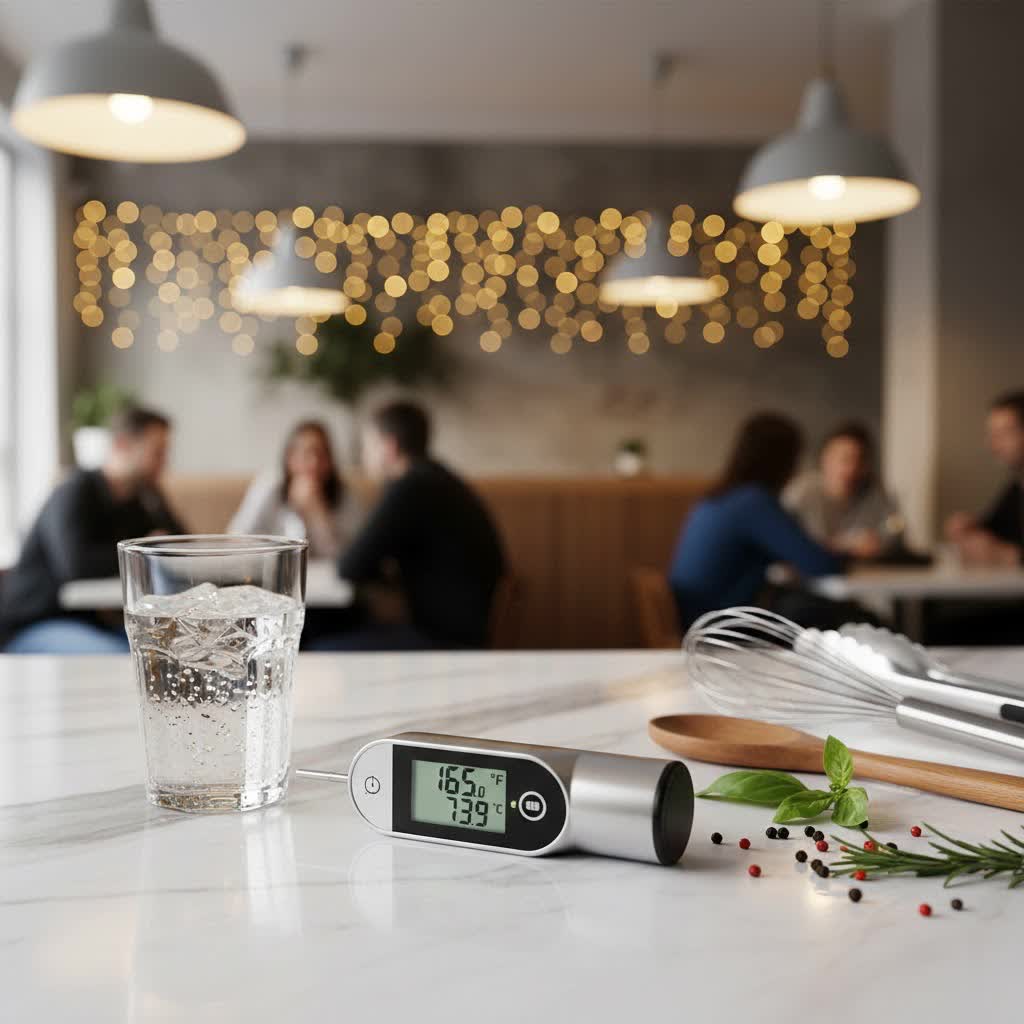
A meat thermometer is a device designed to measure the internal temperature of food, particularly meat. Its primary function is to eliminate guesswork from cooking, allowing you to achieve precise doneness and, crucially, ensure food safety by reaching the recommended internal temperatures for various proteins. Without a thermometer, you risk serving undercooked meat, which can be a health hazard, or overcooked, dry, and flavorless dishes. For Weber grill enthusiasts, integrating a quality meat thermometer is not just an upgrade; it’s a fundamental step towards consistent grilling success.
The market offers a diverse range of meat thermometers, each with distinct features. Understanding these variations is key to selecting the right tool for your grilling style. Whether you’re a casual backyard griller or a seasoned BBQ aficionado, there’s a thermometer perfectly suited to help you achieve perfectly cooked, mouth-watering results every time you fire up your Weber.
Popular Meat Thermometer Types: Pros and Cons
Choosing a meat thermometer can seem daunting with the array of options available. Each type offers unique advantages and disadvantages, making them suitable for different grilling scenarios. Let’s break down the most common types and how they stack up.
Analog Meat Thermometers
Analog thermometers are the traditional, old-school choice. They typically feature a dial with a needle that indicates temperature.
- Pros: They are generally inexpensive, don’t require batteries, and are simple to use. Many lid-mounted thermometers on older grills are analog.
- Cons: Analog thermometers are often less accurate and slower to register temperature changes compared to their digital counterparts. Reading the small dial can also be challenging, especially in low light or from a distance.
|
Our Picks for the Best Meat Thermometer in 2026
As an Amazon Associate I earn from qualifying purchases.
|
||
| Num | Product | Action |
|---|---|---|
| 1 | Instant Read Meat Thermometer, Fast & Accurate Digital Food Thermometer with Backlight, Waterproof & Magnet for Grilling, Cooking, BBQ, Smoker, Baking, and Candy Making Blue |

|
| 2 | Meat Thermometer Digital for Grilling and Cooking - ANDAXIN Waterproof Ultra-Fast Instant Read Food thermometers with Backlight & Calibration for Kitchen, Deep Fry, BBQ, Grill(Red/Black), LCD |
|
| 3 | Escali AH1 Stainless Steel Oven Safe Meat Thermometer, Extra Large 2.5-inches Dial, Temperature Labeled for Beef, Poultry, Pork, and Veal Silver NSF Certified |
|
| 4 | ThermoPro TP16 Large LCD Digital Cooking Food Meat Thermometer for Smoker Oven Kitchen BBQ Grill Thermometer Clock Timer with Stainless Steel Temperature Probe |
|
| 5 | ThermoPro TP19H Digital Meat Thermometer for Cooking with Ambidextrous Backlit and Motion Sensing Kitchen Cooking Food Thermometer for BBQ Grill Smoker Oil Fry Candy Instant Read Thermometer |
|
| 6 | 0.5 Sec Instant Read Meat Thermometer Digital with ±0.5℉ Precision, Food Thermometer for Cooking Kitchen Gadgets, Oven Grill Candy BBQ Essentials Accessories, Gifts for Him Dad Men Birthday, Red |
|
| 7 | Meat Thermometer Digital - Instant Read Waterproof Food Thermometer with Backlight for Cooking, Grill, Candy, Kitchen & Stocking Stuffers for Men - Red |
|
| 8 | Meat Thermometer Digital, Instant Read Meat ThermometerI for Grill and Cooking, Waterproof Food Thermometer for Kitchen and Outside, BBQ, Turkey, Candy, Liquids, Beef |
|
| 9 | 2 Pack Stainless Steel Meat Thermometer, Safe Leave in Oven, 2.5-in Extra-Large Dial Food Thermometer for Cooking, Temperature Probe for Baking, Steak, Turkey - Kitchen Gadgets - Silver |
|
| 10 | Alpha Grillers Meat Thermometer Digital - Instant Read Food Thermometer for Cooking and Grilling Gifts for Men Valentines Day Gifts for Him Her Mom Dad |
|
Digital Meat Thermometers
Digital thermometers have largely replaced analog models in popularity due to their superior performance. They display temperature readings on an LCD screen.
- Pros: These thermometers offer high accuracy and provide quick, easy-to-read temperature readouts. Many come with additional features like backlights, alarms, and temperature hold functions.
- Cons: They require batteries, which need occasional replacement, and are typically more expensive than analog models.
Probe (Leave-in) Meat Thermometers
Probe thermometers are designed to remain in the meat throughout the cooking process, providing continuous temperature monitoring. They usually consist of a metal probe connected by a heat-resistant wire to an external display unit.
- Pros: Ideal for long cooks, smoking, or roasting on a Weber grill, as they allow you to monitor internal temperature without opening the lid, thus maintaining consistent grill temperature. Many models come with multiple probes, allowing you to track different cuts of meat or even the ambient grill temperature.
- Cons: The wires need careful routing to avoid direct flame, which can damage them. Some basic models may not be as quick for instant readings as dedicated instant-read thermometers.
Instant-Read Meat Thermometers
Instant-read thermometers are handheld devices with a sharp probe designed for quick spot checks of meat temperature. You insert the probe, wait a few seconds, and get a reading.
- Pros: They are incredibly fast, often providing an accurate temperature within 2-5 seconds, and are highly portable. They are perfect for checking the doneness of burgers, thin steaks, or poultry pieces. Weber offers its own Original Instant-Read Digital Thermometer, which is praised for its fast and accurate digital readout.
- Cons: These thermometers are not designed to be left in the meat during cooking, especially under a closed grill lid, as their plastic components can melt. They require you to open the grill, which can cause temperature fluctuations.
Smart/Wireless Meat Thermometers (Weber iGrill & Weber Connect)
This advanced category combines the benefits of digital and probe thermometers with smart technology, often utilizing Bluetooth or Wi-Fi connectivity. Weber is a leader in this space with its iGrill series and the Weber Connect Smart Grilling Hub.
- Pros: Offers unparalleled convenience with remote monitoring via a smartphone app. You can track temperatures, set custom alarms, and even receive step-by-step cooking guidance from a distance. The Weber iGrill 2 and iGrill 3 (the latter integrated into some Genesis and Spirit grills) support up to four probes, allowing comprehensive monitoring. The Weber Connect Smart Grilling Hub goes further, acting as a “personal barbecue assistant” with Wi-Fi connectivity for extended range, guided cooking programs, and even fuel level monitoring on compatible grills.
- Cons: Smart thermometers are generally the most expensive option. They rely on batteries and app connectivity, which can sometimes be subject to signal interference or require updates. The Weber Connect, while powerful, requires an initial pairing process and app usage.
Comparison Table of Meat Thermometer Types
To help you visualize the differences, here’s a detailed comparison of the various meat thermometer types, including specific Weber products where applicable.
| Feature | Analog Thermometer | Digital Thermometer (Basic) | Probe Thermometer (Wired) | Instant-Read Thermometer (e.g., Weber Instant-Read) | Smart/Wireless Thermometer (e.g., Weber iGrill, Weber Connect) |
|---|---|---|---|---|---|
| Accuracy | Lower | High | High | Very High | Very High |
| Speed | Slow | Medium | Continuous (Real-time) | Very Fast (2-5 seconds) | Continuous (Real-time updates to app) |
| Readability | Difficult (small dial) | Easy (LCD screen) | Easy (external display) | Easy (digital display) | Easy (smartphone app, device display) |
| Battery | No | Yes | Yes (for display) | Yes | Yes (rechargeable often) |
| Cost | Low | Medium | Medium to High | Low to Medium (Weber Original Instant-Read is affordable) | High |
| Use Case | Basic checks, grill lid | General cooking | Roasts, long cooks, smoking | Spot checks for quick-cooking items | Long cooks, multi-meat monitoring, remote grilling, guided cooking |
| Pros | Cheap, no batteries | Accurate, clear display | Continuous monitoring, multi-probe | Fast, portable, precise spot checks | Remote monitoring, alerts, guided cooking, advanced features |
| Cons | Slow, hard to read | Needs batteries | Wires can be cumbersome | Not for leave-in use, needs manual checks | Expensive, app/connectivity reliant, learning curve |
How to Choose the Right Meat Thermometer for Your Weber Grill
Selecting the perfect meat thermometer means considering your unique grilling habits, budget, and desired features.
Determine Your Usage Needs
- What type of meat do you grill most often? For quick-cooking items like burgers, chicken breasts, and thin steaks, an Instant-Read Digital Thermometer is invaluable. For larger cuts like roasts, briskets, or whole chickens that require longer cooking times on your Weber, a Probe Thermometer or a Smart/Wireless Thermometer like the Weber iGrill or Weber Connect is essential for continuous monitoring.
- How precise do you need to be? If you’re aiming for perfect medium-rare every time, investing in a highly accurate digital or smart thermometer is worth it.
- Do you need special features? Alarms, timers, pre-set temperatures, or app connectivity can greatly enhance your grilling experience. If you like to socialize while grilling, remote monitoring from a Weber iGrill or Weber Connect will be a game-changer.
Consider Your Budget
Meat thermometers range widely in price.
- Entry-level: Basic analog or instant-read digital thermometers offer good value for occasional grillers. The Weber Original Instant-Read Digital Thermometer is a budget-friendly and reliable choice.
- Mid-range: More advanced digital probe thermometers.
- High-end: Smart grilling hubs like the Weber Connect or multi-probe iGrill systems provide the most features and convenience but come at a higher cost. Decide what features are “must-haves” versus “nice-to-haves” to find the best fit within your budget.
Brand Reputation and Reviews
Always opt for reputable brands known for accuracy and durability. Weber, being a grill manufacturer, has designed its thermometers to integrate seamlessly with its grills. Reading user reviews can provide real-world insights into a product’s performance and reliability. Look for feedback regarding accuracy, ease of use, battery life, and customer support.
> “A good meat thermometer is an investment in consistently delicious and safe food. Don’t compromise on accuracy; it’s the foundation of great grilling.” – John Smith, Pitmaster & Culinary Instructor
How to Use Your Meat Thermometer Correctly
Even the best thermometer is ineffective if not used properly. Follow these guidelines to get the most accurate readings and ensure perfect results:
- Placement is Key: Insert the probe into the thickest part of the meat, avoiding bones, fat, or gristle. Bones can conduct heat faster, leading to inaccurate readings, while fat and gristle don’t cook to the same internal temperature as muscle.
- Instant-Read Usage: For instant-read thermometers, insert the probe, wait for the reading to stabilize (typically 2-5 seconds), and then remove it. Do not leave instant-read thermometers in the meat while it’s cooking on the grill, especially with the lid closed, as the heat can damage them.
- Probe Thermometer Usage: For probe thermometers, insert the probe into the thickest part of the meat before placing it on the Weber grill. Route the wire carefully to avoid direct flames or extreme heat that could melt the insulation. Ensure the display unit is kept away from direct heat.
- Know Your Temperatures: Familiarize yourself with USDA guidelines for safe internal cooking temperatures for different types of meat (e.g., poultry: 165°F, ground meat: 160°F, beef/pork/lamb roasts, steaks, and chops: 145°F with a 3-minute rest). For specific doneness levels (e.g., medium-rare beef), learn the corresponding temperatures.
- Clean and Store Properly: After each use, clean your thermometer probe thoroughly with warm, soapy water or a damp cloth. Do not submerge the entire digital unit in water unless it’s explicitly waterproof. Store your thermometer in a clean, dry place to protect it from damage and prolong its lifespan.
Top Weber Grill Meat Thermometers for Perfect Grilling
Weber offers a range of high-quality meat thermometers designed to work seamlessly with their grills. Here’s a closer look at some of their most popular options:
-
Weber Connect Smart Grilling Hub:
- Overview: This is Weber’s most advanced smart thermometer, featuring both Bluetooth and Wi-Fi connectivity. It acts as a digital grilling assistant, providing step-by-step cooking guidance, flip and serve notifications, and estimated cooking times via its intuitive app.
- Features: Multi-probe capacity (up to 4), real-time temperature tracking, custom alerts, recipe library, fuel level monitoring (with iGrill 3-compatible grills).
- Pros: Comprehensive grilling guidance, remote monitoring from anywhere with Wi-Fi, superior accuracy.
- Cons: Highest price point, requires app usage and initial setup.
-
Weber iGrill 2 & iGrill 3:
- Overview: The iGrill series are popular Bluetooth-enabled smart thermometers. The iGrill 2 is a standalone unit, while the iGrill 3 is integrated directly into some Weber Genesis II and Spirit II grills.
- Features: Connects to the Weber iGrill app, supports up to four temperature probes (food and ambient), custom alarms, temperature graphing. The iGrill 3 can also connect to your grill’s fuel gauge.
- Pros: Excellent for monitoring multiple cuts or grill temperature remotely, reliable Bluetooth range, user-friendly app.
- Cons: Bluetooth range can be limited compared to Wi-Fi, requires batteries.
-
Weber Original Instant-Read Digital Thermometer:
- Overview: A compact, easy-to-use digital thermometer for quick temperature checks.
- Features: Fast digital readout (under 15 seconds), switches between Fahrenheit and Celsius, auto-shutoff after 10 minutes of inactivity.
- Pros: Affordable, fast, accurate for spot checks, simple operation.
- Cons: Not designed to be left in the grill, some users report issues with battery life or long-term accuracy.
Conclusion
A high-quality meat thermometer is an indispensable tool for any Weber grill owner committed to grilling perfection. From ensuring food safety to consistently achieving your desired doneness, the right thermometer eliminates guesswork and elevates your culinary results. Whether you opt for the quick convenience of the Weber Original Instant-Read Digital Thermometer or the advanced features and remote monitoring of the Weber iGrill or Weber Connect Smart Grilling Hub, integrating this essential accessory into your grilling routine will undoubtedly lead to more flavorful, tender, and perfectly cooked meals every time.
So, are you ready to take the guesswork out of grilling and unlock your full potential as a backyard chef?
Frequently Asked Questions
What is the difference between an instant-read and a leave-in meat thermometer?
An instant-read thermometer provides quick temperature checks by inserting the probe for a few seconds, ideal for thin cuts. A leave-in thermometer, often with a wire probe, stays in the meat throughout cooking, offering continuous monitoring without opening the grill lid.
Can I use my Weber meat thermometer in an oven?
Most Weber meat thermometers, especially instant-read and smart probe thermometers, can be used in an oven. However, ensure that any plastic components or external display units are kept away from direct heat to prevent melting or damage. Always check the product’s specific instructions.
How do I calibrate my Weber meat thermometer?
Many modern digital and smart thermometers come pre-calibrated and generally do not require user calibration. If your specific model allows for calibration, consult the user manual for instructions, often involving an ice-water bath or boiling water test.
What are the safe internal temperatures for common meats?
According to USDA guidelines: poultry (whole, ground, parts) 165°F (74°C); ground meats (beef, pork, lamb, veal) 160°F (71°C); fresh beef, veal, lamb (steaks, roasts, chops) 145°F (63°C) with a 3-minute rest; fresh pork (steaks, roasts, chops) 145°F (63°C) with a 3-minute rest.
