Achieving perfectly cooked meat every time is the hallmark of a confident cook, whether you’re a seasoned chef or just starting your culinary journey. The guesswork of “Is it done yet?” often leads to disappointing results – a dry, overcooked chicken breast or an undercooked, unsafe roast. This is where a Wired Meat Thermometer becomes your indispensable kitchen companion, transforming your cooking from a gamble to a science. It’s the simplest, most reliable way to ensure your dishes are not only delicious and tender but also safe to eat.
Wired Meat Thermometer: Overview and Why You Need One
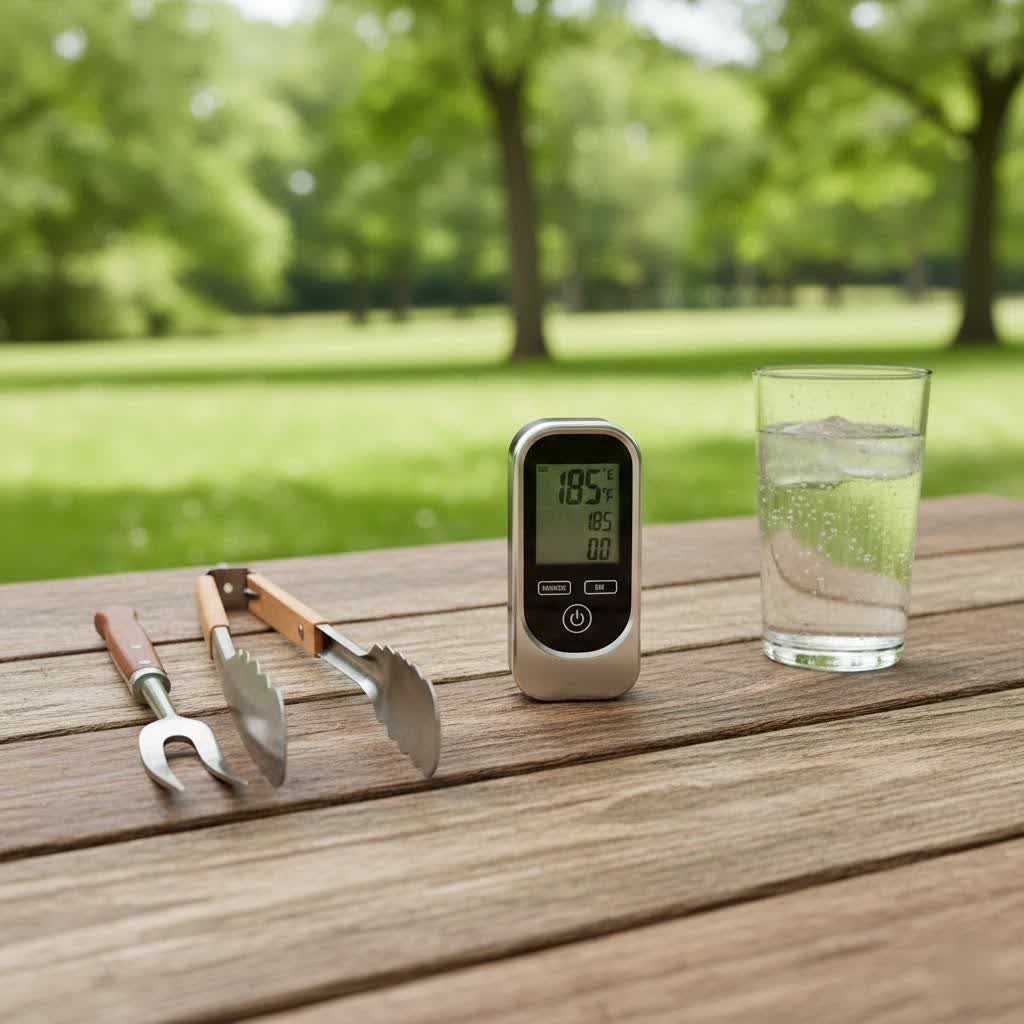
A wired meat thermometer is a crucial tool designed to continuously monitor the internal temperature of your food as it cooks. It typically consists of a sharp, metal probe that you insert into the thickest part of the meat, a flexible, heat-resistant wire that connects the probe to a display unit, and the display unit itself, which remains outside your oven, grill, or smoker. This ingenious design allows you to keep a constant eye on your food’s progress without repeatedly opening the cooking chamber, which can cause temperature fluctuations and extend cooking times.
Why is this continuous monitoring so vital? Primarily, for food safety and achieving perfect doneness. Undercooked meats can harbor harmful bacteria, posing serious health risks. Conversely, overcooked meat loses its moisture, flavor, and tender texture, resulting in a disappointing meal. A wired meat thermometer takes the guesswork out of the equation, providing precise, real-time temperature readings that empower you to pull your food off the heat at the exact moment it reaches perfection, guaranteeing a juicy, flavorful, and safe result every time.
Common Types of Meat Thermometers: Pros and Cons
Understanding the various types of meat thermometers available can help you appreciate the unique benefits of a wired model. Each serves a distinct purpose in the kitchen, though some are far more versatile for continuous monitoring.
Analog Meat Thermometer
Analog thermometers are the classic, no-frills option. They feature a dial with a needle that indicates temperature.
- Pros: Generally inexpensive, require no batteries, and are simple to use.
- Cons: Often less accurate than digital models, can be difficult to read precisely, and usually take longer to register a stable temperature. Many analog versions are designed for leave-in use but lack alarms or advanced features.
|
Our Picks for the Best Meat Thermometer in 2026
As an Amazon Associate I earn from qualifying purchases.
|
||
| Num | Product | Action |
|---|---|---|
| 1 | Alpha Grillers Meat Thermometer Digital - Instant Read Food Thermometer for Cooking and Grilling Gifts for Men Valentines Day Gifts for Him Her Mom Dad |

|
| 2 | ThermoPro TP19H Digital Meat Thermometer for Cooking with Ambidextrous Backlit and Motion Sensing Kitchen Cooking Food Thermometer for BBQ Grill Smoker Oil Fry Candy Instant Read Thermometer |
|
| 3 | 0.5 Sec Instant Read Meat Thermometer Digital with ±0.5℉ Precision, Food Thermometer for Cooking Kitchen Gadgets, Oven Grill Candy BBQ Essentials Accessories, Gifts for Him Dad Men Birthday, Red |
|
| 4 | ThermoPro TP16 Large LCD Digital Cooking Food Meat Thermometer for Smoker Oven Kitchen BBQ Grill Thermometer Clock Timer with Stainless Steel Temperature Probe |
|
| 5 | Escali AH1 Stainless Steel Oven Safe Meat Thermometer, Extra Large 2.5-inches Dial, Temperature Labeled for Beef, Poultry, Pork, and Veal Silver NSF Certified |
|
| 6 | Meat Thermometer Digital - Instant Read Waterproof Food Thermometer with Backlight for Cooking, Grill, Candy, Kitchen & Stocking Stuffers for Men - Red |
|
| 7 | Meat Thermometer Digital, Instant Read Meat ThermometerI for Grill and Cooking, Waterproof Food Thermometer for Kitchen and Outside, BBQ, Turkey, Candy, Liquids, Beef |
|
| 8 | 2 Pack Stainless Steel Meat Thermometer, Safe Leave in Oven, 2.5-in Extra-Large Dial Food Thermometer for Cooking, Temperature Probe for Baking, Steak, Turkey - Kitchen Gadgets - Silver |
|
| 9 | Meat Thermometer Digital for Grilling and Cooking - ANDAXIN Waterproof Ultra-Fast Instant Read Food thermometers with Backlight & Calibration for Kitchen, Deep Fry, BBQ, Grill(Red/Black), LCD |
|
| 10 | Instant Read Meat Thermometer, Fast & Accurate Digital Food Thermometer with Backlight, Waterproof & Magnet for Grilling, Cooking, BBQ, Smoker, Baking, and Candy Making Blue |
|
Digital Meat Thermometer
Digital thermometers offer a significant upgrade in precision and readability. They feature an electronic sensor and a clear digital display.
- Pros: Highly accurate, easy-to-read numeric displays, often come with additional features like alarms, timers, and preset temperatures for different meats.
- Cons: Require batteries to operate and can be more expensive than analog models.
Probe Meat Thermometer (Wired)
This category includes the wired meat thermometer, which is specifically designed for continuous, leave-in monitoring during cooking.
- Pros: Ideal for prolonged cooking methods like roasting, grilling, and smoking, as the probe stays in the meat and the display stays outside. Many models come with multiple probes, allowing you to monitor both the internal meat temperature and the ambient temperature of your oven or grill. They often include programmable alarms that alert you when your target temperature is reached, some even offering remote monitoring via a wireless receiver.
- Cons: The physical wire can sometimes be a minor inconvenience, needing careful placement to avoid pinching or heat damage. Mobility can be limited compared to truly wireless options, though remote receivers offer a good compromise.
Instant-Read Meat Thermometer
Instant-read thermometers, as their name suggests, provide quick temperature readings. These are often handheld devices.
- Pros: Offer very fast readings (often within a few seconds), making them excellent for quick spot checks of thinner cuts of meat like steaks, burgers, or chicken breasts. They are portable and great for checking multiple items quickly.
- Cons: Not designed to be left in the meat during cooking. To use one, you must temporarily open your oven or grill, which causes heat loss and interrupts the cooking process. They don’t offer continuous monitoring or alarms.
Wired vs. Wireless vs. Instant-Read: A Comparison Table
Choosing the right meat thermometer depends heavily on your cooking style and needs. Here’s a comparative look at the main types:
| Type | Key Feature | Best Use Case | Pros | Cons |
|---|---|---|---|---|
| Wired Probe Thermometer | Continuous monitoring via wire to external display | Roasts, smoking, grilling, baking (long cooks) | Real-time, hands-off monitoring; alarms; often multi-probe | Wire requires careful placement; limited mobility of main unit |
| Fully Wireless Thermometer | No wires attached to probe; app-controlled | Grilling, smoking, rotisserie, oven (maximum freedom) | Ultimate mobility; smart features (app control, presets) | Higher cost; potential for connectivity issues (Bluetooth/Wi-Fi range) |
| Instant-Read Thermometer | Quick spot check | Pan-seared meats, thin cuts, checking multiple items | Rapid readings; portable; good for quick verification | Not for leave-in use; requires opening cooking chamber |
How to Choose the Right Wired Meat Thermometer
Selecting the perfect wired meat thermometer involves considering your specific cooking habits and preferences. With many excellent options on the market, focusing on a few key factors will help you make an informed decision.
Identify Your Cooking Needs
First, consider the types of cooking you typically do.
- Roasting or Smoking? If you frequently prepare large roasts, briskets, or engage in low-and-slow smoking, a wired thermometer is ideal due to its continuous monitoring capabilities.
- Multi-Probe Advantage: Do you often cook different cuts of meat simultaneously, or do you want to monitor both the meat’s internal temperature and the ambient temperature of your grill or smoker? Many wired models offer dual or multi-probe configurations, such as the ThermoPro TP28 or ChefsTemp Quad XPro, which can be invaluable for complex cooks.
- Desired Features: Look for features that enhance your cooking experience. Programmable alarms are essential for alerting you when your food reaches the target temperature. Backlit displays improve readability in low light conditions, while magnetic backs allow you to conveniently attach the unit to an oven or grill. Some advanced wired thermometers even offer a wireless receiver, providing the best of both worlds by allowing you to carry a display unit around your home while the main unit remains connected to the probe.
Budget Considerations
Wired meat thermometers come in a wide range of prices. You can find reliable entry-level models that offer essential functionality without breaking the bank, like the Taylor Precision Products Digital Thermometer. Mid-range options often include more probes, advanced features, and improved durability. High-end models from brands like ThermoWorks (e.g., ChefAlarm) provide commercial-grade accuracy, robust builds, and extensive features for serious home cooks. Determine what features are non-negotiable for you and set a budget accordingly. Remember, investing in a quality thermometer is an investment in consistently delicious and safe meals.
Brand Reputation and Reviews
Always opt for products from reputable brands known for accuracy and durability. Companies like ThermoWorks and ThermoPro are widely recognized in the industry for producing reliable meat thermometers. Beyond brand name, take the time to read user reviews. Real-world feedback can offer insights into a thermometer’s ease of use, accuracy over time, and the effectiveness of its features. This research will help you avoid common pitfalls and find a product that stands up to regular use.
Mastering Your Wired Meat Thermometer: Proper Usage and Care
Even the best wired meat thermometer is only as good as how you use it. Following proper techniques for insertion, monitoring, and care will ensure accurate readings and extend the lifespan of your device.
Insertion Technique
Accurate temperature readings depend on correct probe placement.
- Thickest Part: Always insert the probe into the thickest part of the meat. This is typically the slowest area to cook, ensuring the entire piece reaches the desired temperature.
- Avoid Obstacles: Steer clear of bones, large pockets of fat, or gristle, as these can conduct heat differently and lead to inaccurate readings.
- Sufficient Depth: For larger cuts like roasts or whole poultry, ensure the probe is inserted at least two inches into the meat’s center. For thinner cuts, insert it horizontally through the side to ensure the sensor is fully embedded in the meat.
- Secure the Wire: Carefully thread the heat-resistant wire out of the oven or grill door, making sure it’s not pinched or directly exposed to extreme flame, which could damage the insulation.
Monitoring & Safety
Once your wired thermometer is in place, consistent monitoring is key.
- USDA Guidelines: Familiarize yourself with USDA safe internal temperature guidelines for different types of meat (e.g., poultry 165°F, ground meats 160°F, beef/pork/lamb roasts 145°F with a rest).
- Set Alarms: Utilize your thermometer’s alarm function to notify you when the target temperature is reached, allowing you to tend to other tasks without constant vigilance.
- Resting Meat: After your meat reaches its target temperature, remove it from the heat and let it rest for 5-15 minutes (depending on the cut). During this resting period, the internal temperature can rise by an additional 5-10°F through “carryover cooking,” and juices redistribute, resulting in a more tender and flavorful product.
Cleaning and Maintenance
Proper care is essential for hygiene and longevity.
- Clean the Probe: After each use, carefully clean the probe with warm, soapy water. While many probes are water-resistant, avoid submerging the entire wire or the main unit unless explicitly stated by the manufacturer.
- Wipe Down Wire: Gently wipe the wire with a damp cloth.
- Thorough Drying: Ensure the probe and wire are thoroughly dried before storage to prevent corrosion or bacterial growth.
- Storage: Store your thermometer in a clean, dry place, ideally in its original casing or a dedicated drawer, to protect the probe and wire from damage. Always refer to your specific model’s user manual for detailed cleaning and care instructions.
Top 5 Wired Meat Thermometers for Home Cooks (Review Highlights)
Based on extensive testing and user feedback, several wired meat thermometers consistently stand out for their accuracy, durability, and user-friendly features. Here are some top contenders that can elevate your home cooking:
-
ThermoWorks ChefAlarm:
- Highlights: Often hailed as a commercial-grade option, the ChefAlarm offers exceptional accuracy, a wide temperature range, and multiple alarm volume settings. Its robust build and versatile design make it suitable for everything from smoking a brisket to making candy. It features a straightforward digital display and can also function as an oven thermometer.
- Considerations: While intuitive after a slight learning curve, adjusting settings initially might take a moment.
-
ThermoPro TP28 Meat Thermometer:
- Highlights: A fantastic choice for those who want remote monitoring, the TP28 comes with two stainless-steel probes and a remote receiver with a range of up to 500 feet. It features multiple presets for different meats and doneness levels, along with a loud, customizable alarm and vibration settings. It’s user-friendly once familiar with its controls, offering great value for continuous monitoring.
- Considerations: There can be a slight learning curve to fully master its multiple presets and manual settings.
-
Taylor Precision Products Digital Thermometer:
- Highlights: An excellent budget-friendly option, this thermometer delivers reliable performance without unnecessary frills. It’s simple to set up and use, with a digital display and an audible alarm. The probe’s silicone-coated wire is designed to safely run out of an oven door. It’s a solid choice for basic, continuous temperature monitoring during roasting or grilling.
- Considerations: Has a smaller temperature range compared to premium models and lacks advanced features like multiple probes or Bluetooth connectivity.
-
ThermoWorks DOT Simple Alarm Thermometer:
- Highlights: As its name suggests, the DOT is known for its simplicity and reliability. It offers a wide temperature range and an easy-to-read backlit digital display that shows both current and target temperatures. Designed with durability in mind, it’s splash-proof and features a magnetic back for convenient placement. It’s a great “set it and forget it” option for those who prioritize ease of use and accuracy.
- Considerations: Features only one volume setting for its alarm, which might be too quiet for some users in noisy environments. Setting the target temperature can be a bit slow.
-
ChefsTemp Quad XPro:
- Highlights: For serious BBQ enthusiasts and those needing extensive monitoring, the Quad XPro is a robust digital wired multi-probe thermometer. It typically comes with four channels, allowing you to monitor several cuts of meat or a combination of meat and ambient temperatures simultaneously. It boasts a strong wireless range (for its remote display) and high water resistance, making it ideal for various outdoor cooking conditions.
- Considerations: Its advanced features and multi-probe setup might be overkill for casual cooks and come with a higher price point.
In conclusion, a wired meat thermometer is a powerful, reliable tool that removes the stress and uncertainty from cooking, ensuring your meats are consistently safe, perfectly tender, and full of flavor. By providing continuous, accurate temperature readings, it empowers you to master your kitchen and outdoor cooking adventures, delivering professional-quality results every time. Don’t settle for guesswork when you can cook with precision and confidence.
Are you ready to transform your cooking and achieve perfect doneness with every meal?
Frequently Asked Questions
Can you leave a wired meat thermometer in the oven or grill during cooking?
Yes, wired meat thermometers are specifically designed for leave-in use in ovens, grills, and smokers. Their heat-resistant probe and wire allow you to continuously monitor the internal temperature of your food without needing to open the cooking chamber, which helps maintain consistent heat and ensures accurate readings throughout the cooking process.
How deep should a wired meat thermometer be inserted?
For optimal accuracy, the probe of a wired meat thermometer should be inserted into the thickest part of the meat, avoiding bones, fat, or gristle. For larger cuts like roasts, ensure it goes in at least two inches to reach the true center. For thinner cuts, inserting the probe horizontally through the side helps ensure the sensor is fully embedded in the meat.
What’s the main difference between a wired and a fully wireless meat thermometer?
The primary difference lies in connectivity. A wired thermometer has a physical cable connecting the probe to the display unit, which stays outside the cooking appliance. A fully wireless thermometer has no wires; the probe itself transmits data wirelessly (often via Bluetooth or Wi-Fi) to a base unit or a smartphone app, offering maximum freedom of movement but sometimes with range limitations.
How do wired meat thermometers improve food safety?
Wired meat thermometers significantly enhance food safety by providing precise, real-time internal temperature readings. This allows you to ensure that meats reach the USDA recommended safe minimum internal temperatures, effectively killing harmful bacteria and preventing foodborne illnesses. By eliminating guesswork, you cook confidently, knowing your food is both delicious and safe.
Are multi-probe wired thermometers worth the investment?
For home cooks who frequently prepare larger meals, engage in smoking, or cook multiple items simultaneously, multi-probe wired thermometers are definitely worth it. They allow you to monitor several cuts of meat at once, or track both meat temperature and ambient cooking temperature, providing comprehensive control and flexibility for more complex cooking tasks.
How do I clean my wired meat thermometer properly?
To clean your wired meat thermometer, gently wipe the probe with warm, soapy water after each use. Avoid submerging the entire wire or the main display unit unless your specific model’s instructions state it’s fully waterproof. Always ensure the probe and wire are thoroughly dried before storage to maintain hygiene and prevent any damage or corrosion over time.
