Have you ever cut into a seemingly perfectly cooked roast, only to find it dangerously undercooked in the center? Or perhaps you’ve pulled a chicken breast from the grill, only to discover it’s dry and overcooked? The frustration is real, and the guesswork in cooking can often lead to disappointing (and sometimes unsafe) results. This is where a Quick Read Meat Thermometer becomes your kitchen superhero. It’s the essential tool that eliminates uncertainty, ensuring your meals are not only delicious and perfectly cooked but also safe to eat. In this comprehensive guide, we’ll delve into everything you need to know about these indispensable devices, transforming you into a more confident and skilled home chef.
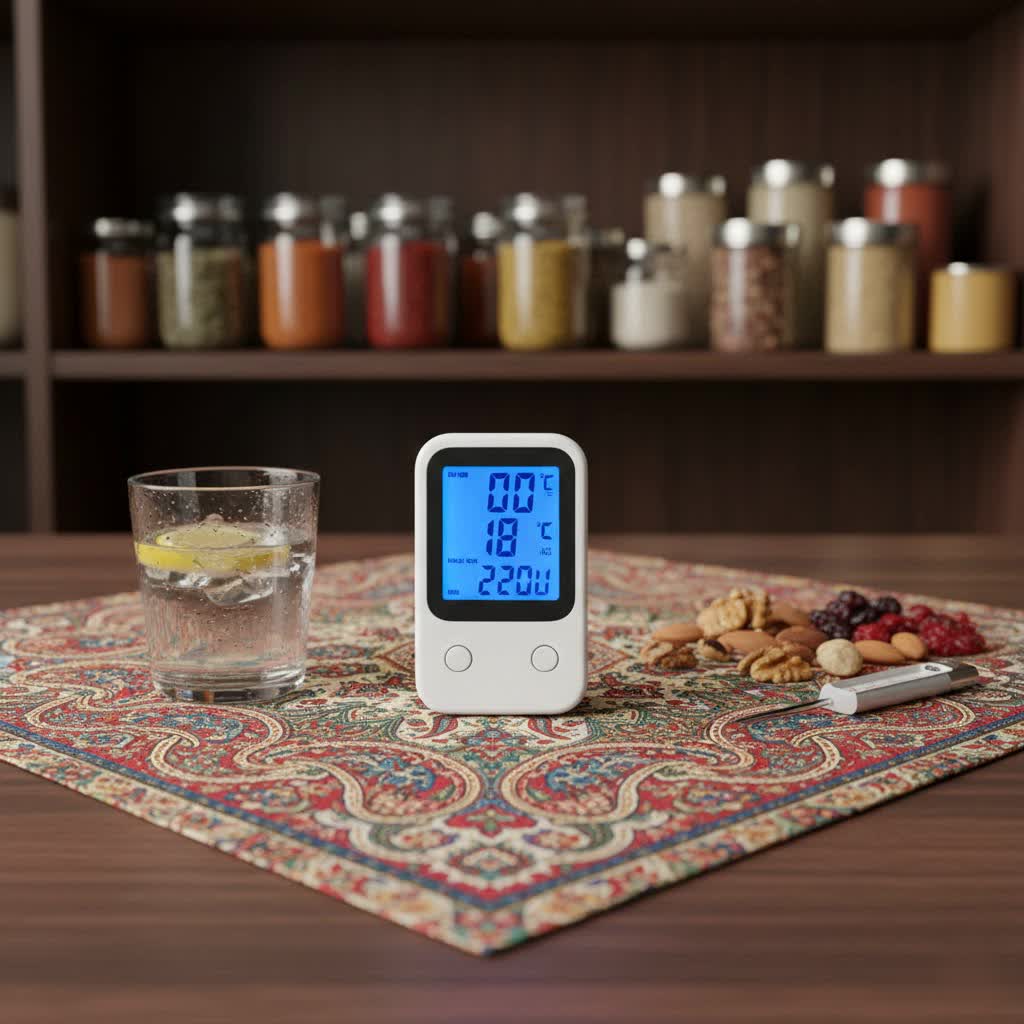
Quick Read Meat Thermometer: Overview and Why It’s Essential
A quick read meat thermometer, often called an instant-read thermometer, is a handheld digital device designed to rapidly measure the internal temperature of food. It typically features a slim metal probe that you insert into your dish, and within a matter of seconds—often as fast as 1-5 seconds—a precise temperature reading appears on a digital display. This immediate feedback is invaluable for home cooks and professional chefs alike, offering a quick snapshot of your food’s doneness without interrupting the cooking process for long.
The importance of using a meat thermometer extends beyond simply achieving culinary perfection; it’s fundamentally about food safety. Harmful bacteria like Salmonella or E. coli can lurk in undercooked meats, posing serious health risks. The U.S. Department of Agriculture (USDA) provides specific minimum internal temperatures for various foods, ensuring that these pathogens are destroyed. A quick read meat thermometer is the only reliable way to confirm your food has reached these safe temperatures, protecting you and your loved ones from foodborne illnesses. Beyond safety, using this tool guarantees optimal taste and texture, preventing the dry, chewy results of overcooking and ensuring every bite is succulent and flavorful.
Types of Meat Thermometers: Pros and Cons
While the quick read digital meat thermometer is a star, it’s helpful to understand how it stacks up against other types of thermometers you might encounter in the kitchen.
Digital Instant-Read Meat Thermometer
These are the focus of our discussion, prized for their efficiency and precision.
- Pros:
- Speed: Provides accurate readings within 1-5 seconds, crucial for quick checks.
- Accuracy: Highly precise, often within 0.5 to 2 degrees Fahrenheit, minimizing error.
- Easy to Read: Features a clear, digital display, often backlit or with auto-rotating screens for convenience in any lighting.
- Versatility: Excellent for grilling, pan-searing, roasting, baking, and even checking the temperature of frying oil or candy.
- Portability: Compact and easy to store or carry for outdoor cooking.
- Cons:
- Not Oven-Safe: Generally, these thermometers are not designed to be left in food while it cooks in an oven or on a grill for extended periods.
- Battery Dependent: Requires batteries to operate.
- Cost: Can be more expensive than basic analog models, especially high-end versions.
|
Our Picks for the Best Meat Thermometer in 2026
As an Amazon Associate I earn from qualifying purchases.
|
||
| Num | Product | Action |
|---|---|---|
| 1 | ThermoPro TP19H Digital Meat Thermometer for Cooking with Ambidextrous Backlit and Motion Sensing Kitchen Cooking Food Thermometer for BBQ Grill Smoker Oil Fry Candy Instant Read Thermometer |

|
| 2 | Meat Thermometer Digital, Instant Read Meat ThermometerI for Grill and Cooking, Waterproof Food Thermometer for Kitchen and Outside, BBQ, Turkey, Candy, Liquids, Beef |
|
| 3 | 0.5 Sec Instant Read Meat Thermometer Digital with ±0.5℉ Precision, Food Thermometer for Cooking Kitchen Gadgets, Oven Grill Candy BBQ Essentials Accessories, Gifts for Him Dad Men Birthday, Red |
|
| 4 | Meat Thermometer Digital - Instant Read Waterproof Food Thermometer with Backlight for Cooking, Grill, Candy, Kitchen & Stocking Stuffers for Men - Red |
|
| 5 | Meat Thermometer Digital for Grilling and Cooking - ANDAXIN Waterproof Ultra-Fast Instant Read Food thermometers with Backlight & Calibration for Kitchen, Deep Fry, BBQ, Grill(Red/Black), LCD |
|
| 6 | Alpha Grillers Meat Thermometer Digital - Instant Read Food Thermometer for Cooking and Grilling Gifts for Men Valentines Day Gifts for Him Her Mom Dad |
|
| 7 | Instant Read Meat Thermometer, Fast & Accurate Digital Food Thermometer with Backlight, Waterproof & Magnet for Grilling, Cooking, BBQ, Smoker, Baking, and Candy Making Blue |
|
| 8 | 2 Pack Stainless Steel Meat Thermometer, Safe Leave in Oven, 2.5-in Extra-Large Dial Food Thermometer for Cooking, Temperature Probe for Baking, Steak, Turkey - Kitchen Gadgets - Silver |
|
| 9 | Escali AH1 Stainless Steel Oven Safe Meat Thermometer, Extra Large 2.5-inches Dial, Temperature Labeled for Beef, Poultry, Pork, and Veal Silver NSF Certified |
|
| 10 | ThermoPro TP16 Large LCD Digital Cooking Food Meat Thermometer for Smoker Oven Kitchen BBQ Grill Thermometer Clock Timer with Stainless Steel Temperature Probe |
|
Analog Meat Thermometer
These traditional thermometers typically feature a dial display and are less common as instant-read options, but some exist.
- Pros:
- Inexpensive: Generally the most budget-friendly option.
- No Batteries: Operates mechanically, so no power source is needed.
- Cons:
- Slow: Takes much longer to register a stable temperature (often a minute or more).
- Less Accurate: Precision can vary significantly.
- Harder to Read: Small dials and needle indicators can be difficult to interpret quickly, especially in low light.
- Not Instant: Does not provide the “quick read” functionality.
Leave-in Probe Thermometer
These thermometers are designed for continuous monitoring during cooking.
- Pros:
- Oven/Grill Safe: The probe (and often its wire) is designed to remain in the food throughout the cooking process.
- Continuous Monitoring: Allows you to track temperature changes without opening the oven or grill, preserving heat.
- Alarms: Many models include programmable alarms that alert you when the target temperature is reached.
- Cons:
- Not Instant: Provides ongoing readings rather than a quick, spot check.
- Less Portable: The main unit often sits outside the cooking appliance, tethered by a wire, making it less convenient for quick checks on multiple items.
- Care Needed: The probe and wire must be heat-resistant and properly placed to avoid damage.
Comparison Table: Quick Read vs. Other Meat Thermometers
Here’s a quick overview of how the different types of meat thermometers compare:
| Feature | Digital Instant-Read (Quick Read) | Analog (Dial) Meat Thermometer | Leave-in Probe Thermometer |
|---|---|---|---|
| Speed | 1-5 seconds | 30-60+ seconds | Continuous monitoring |
| Accuracy | High (±0.5-2°F) | Moderate (±2-5°F) | High (±1-2°F) |
| Use Case | Spot checks, grilling, searing | Roasts (leave-in style) | Roasting, smoking, slow cook |
| Oven-Safe | No (generally) | Yes (for leave-in types) | Yes (probe & wire) |
| Battery | Yes | No | Yes (for display/features) |
| Price (Avg.) | Moderate to High | Low | Moderate to High |
| Pros | Fast, accurate, easy to read, versatile | Inexpensive, no batteries | Continuous monitoring, alarms, oven-safe |
| Cons | Not oven-safe, battery dependent, can be pricey | Slow, less accurate, hard to read, limited features | Not instant, less portable, wire management |
Choosing the Right Quick Read Meat Thermometer for You
Selecting the perfect quick read meat thermometer depends on your individual cooking habits and preferences.
Determine Your Cooking Needs
Consider what you cook most often. Are you a frequent griller of steaks and burgers, needing rapid temperature checks? Or do you mostly roast whole chickens and large cuts, where a highly accurate instant reading is still beneficial for final verification?
> “The best thermometer is the one you actually use. Prioritize speed and ease of use for everyday cooking, as that encourages consistent results.” – Jane Smith, Culinary Instructor & Food Safety Expert
- Types of Meat: Some thermometers are designed with thinner probes, ideal for delicate fish or smaller cuts, while others have more robust probes for thick roasts.
- Precision Level: For precise culinary tasks or specific doneness levels (e.g., medium-rare steak), a thermometer with higher accuracy (e.g., ±0.5°F) is beneficial.
- Desired Features: Look for features that enhance usability:
- Backlit Display: Essential for low-light conditions like grilling at dusk.
- Auto-Rotating Display: Makes reading easy from any angle.
- Waterproof Rating (IP67): Crucial for easy cleaning and accidental splashes.
- Magnetic Backing: Convenient for storage on a fridge or grill.
- Calibration Function: Allows you to maintain accuracy over time.
Budget Considerations
Quick read meat thermometers come in a wide range of prices. You can find reliable entry-level models, but investing in a higher-end thermometer often means better accuracy, faster response times, and superior durability. Determine your budget, but remember that a quality thermometer is an investment in both your cooking success and food safety.
Brand Reputation and Reviews
Always opt for reputable brands known for quality and customer service. Reading user reviews can provide valuable insights into real-world performance, durability, and any potential quirks of a specific model. Look for consistent positive feedback regarding accuracy, speed, and overall user experience.
How to Use a Quick Read Meat Thermometer Correctly
Mastering your quick read meat thermometer is simple, but a few key techniques will ensure you get the most accurate results every time.
- Locate the Thickest Part: For the most accurate reading, insert the probe into the thickest part of the meat, avoiding bones, fat, or gristle. These areas conduct heat differently and can give an inaccurate reading. For poultry, aim for the thickest part of the thigh or breast. For burgers, insert the thermometer into the side, angled towards the center.
- Proper Insertion Depth: Push the probe far enough into the meat so that the tip reaches the very center of the thickest portion. Be careful not to push it all the way through to the other side or to touch the cooking surface.
- Wait for Stabilization: While “quick read” implies speed, always allow a few seconds for the temperature reading to stabilize on the digital display. The numbers might fluctuate briefly before settling.
- Take Multiple Readings: For larger cuts of meat like roasts or whole poultry, take readings in several different spots to ensure even cooking throughout. If any area shows a lower temperature than desired, continue cooking until all parts reach the safe minimum.
- Understand Carryover Cooking: Meat continues to cook for a few minutes after it’s removed from the heat source due to residual heat. This is known as “carryover cooking,” and the internal temperature can rise by 5-10 degrees Fahrenheit. To avoid overcooking, remove your food when it’s 5-10 degrees below your target final temperature. Let it rest for 3-10 minutes, covered, to allow the temperature to equalize and juices to redistribute, resulting in a more tender and flavorful dish.
USDA Safe Minimum Internal Temperatures Chart
Always refer to USDA guidelines for safe cooking temperatures:
| Food Type | Minimum Internal Temperature | Rest Time |
|---|---|---|
| Poultry (whole, ground, pieces) | 165°F (74°C) | N/A |
| Ground Meats (beef, pork, lamb) | 160°F (71°C) | N/A |
| Fresh Beef, Pork, Veal, Lamb (steaks, roasts, chops) | 145°F (63°C) | 3 minutes |
| Fish | 145°F (63°C) | N/A (or until opaque and flakes easily) |
| Leftovers & Casseroles | 165°F (74°C) | N/A |
Note: For personal preference, some may cook to higher temperatures, but these are the minimums for safety.
- Clean and Store Properly: After each use, wipe the probe clean with warm, soapy water. Many quick read thermometers are waterproof, making cleaning even easier. Ensure it’s dry before storing it in a safe place, such as a drawer or hung on a magnetic strip.
Top 5 Quick Read Meat Thermometers (Detailed Review)
Based on industry reviews, professional testing, and user feedback, here are some of the most highly-rated quick read meat thermometers that consistently impress:
-
ThermoWorks Thermapen ONE:
- Key Features: Boasts an astonishing 1-second read time, highly accurate (±0.5°F), large auto-rotating backlit display, waterproof (IP67), durable construction, and motion-sensing sleep/wake.
- Pros: Unrivaled speed and accuracy, built to last, excellent readability.
- Cons: Premium price point.
- Best For: Serious home cooks and professionals who demand the absolute best in speed and precision.
-
ThermoWorks ThermoPop 2:
- Key Features: Offers a fast 2-3 second read time, accurate (±1°F), 4-way rotating backlit display, splash-proof, and an affordable price.
- Pros: Excellent value for money, compact, good accuracy and speed for its price.
- Cons: Not fully waterproof like the Thermapen ONE, slightly slower than top-tier models.
- Best For: Everyday home cooks looking for a reliable, accurate, and budget-friendly instant-read option.
-
ChefsTemp Finaltouch X10:
- Key Features: Fast 2-3 second response, highly accurate, large and ergonomic auto-rotating display, magnetic backing, and waterproof (IP67).
- Pros: Outstanding display for readability, comfortable to hold, competitive speed and accuracy.
- Cons: Can be pricier than some mid-range options.
- Best For: Users who prioritize an ergonomic design and superior display visibility, especially those grilling outdoors.
-
ThermoPro TP19H / TP03:
- Key Features: Fast 2-3 second read time, high accuracy (±0.9°F for TP03, better for TP19H), ambidextrous display, magnetic backing, waterproof (IPX6).
- Pros: Excellent performance for its price, reliable accuracy, and user-friendly features.
- Cons: Display might be less premium than higher-end models.
- Best For: Budget-conscious cooks seeking a highly functional and accurate thermometer without breaking the bank.
-
Lavatools Javelin PRO Duo / Kizen Instant Read:
- Key Features: Both offer 3-4 second read times, good accuracy (Javelin PRO Duo is ±0.9°F, Kizen is often rated higher), magnetic backing, auto-rotating display (Javelin PRO Duo), and waterproof/splash-proof.
- Pros: Strong performance for their price, good all-around options with useful features.
- Cons: Not as fast as the Thermapen ONE.
- Best For: General kitchen use where a balance of speed, accuracy, and value is desired.
Conclusion
Investing in a quick read meat thermometer is one of the most impactful upgrades you can make to your kitchen toolkit. It’s more than just a gadget; it’s a cornerstone for culinary confidence, ensuring every dish you prepare is perfectly cooked, bursting with flavor, and, most importantly, safe to enjoy. By eliminating guesswork, this simple tool empowers you to transform everyday meals into culinary successes, protecting your family’s health while elevating your home cooking. Don’t let uncertainty dictate your kitchen outcomes any longer.
Ready to take control of your cooking? Which quick read meat thermometer will you choose to revolutionize your culinary adventures?
Frequently Asked Questions
Are quick read meat thermometers safe to leave in the oven?
No, generally, quick read meat thermometers are not designed to be left in the oven or grill during cooking. Their electronic components and plastic bodies can be damaged by prolonged high heat. For continuous temperature monitoring inside an oven or grill, a leave-in probe thermometer with an oven-safe wire is the appropriate tool.
How accurate are quick read meat thermometers?
Most quality quick read meat thermometers are highly accurate, typically within ±0.5°F to ±2°F. Premium models like the Thermapen ONE boast an accuracy of ±0.5°F. This high level of precision is essential for ensuring food safety and achieving precise doneness levels, especially for delicate meats.
Can I use a quick read thermometer for liquids or baked goods?
Absolutely! Quick read meat thermometers are incredibly versatile. They can be used to measure the temperature of liquids like frying oil, simmering sauces, or candy mixtures. They are also excellent for checking the internal temperature of baked goods like bread, cakes, or custards to ensure they are fully cooked.
How do I calibrate my quick read meat thermometer?
While many modern quick read thermometers come factory-calibrated and maintain accuracy, some allow for user calibration. A common method is the ice bath test: fill a glass with crushed ice and water, let it sit for a few minutes, then insert the thermometer. It should read 32°F (0°C). If not, some models have a recalibration button or follow manufacturer instructions for adjustment.
