For any home cook striving for culinary perfection, guesswork simply won’t do when it comes to cooking meat. Achieving that juicy, perfectly done steak or a safely cooked holiday turkey hinges on one indispensable tool: the meat thermometer. It’s the secret weapon that transforms hesitant cooks into confident culinary artists, ensuring every dish is not only delicious but also safe to eat. This comprehensive guide will navigate the world of meat thermometers, helping you understand their types, features, and how to select the best one to elevate your cooking prowess.
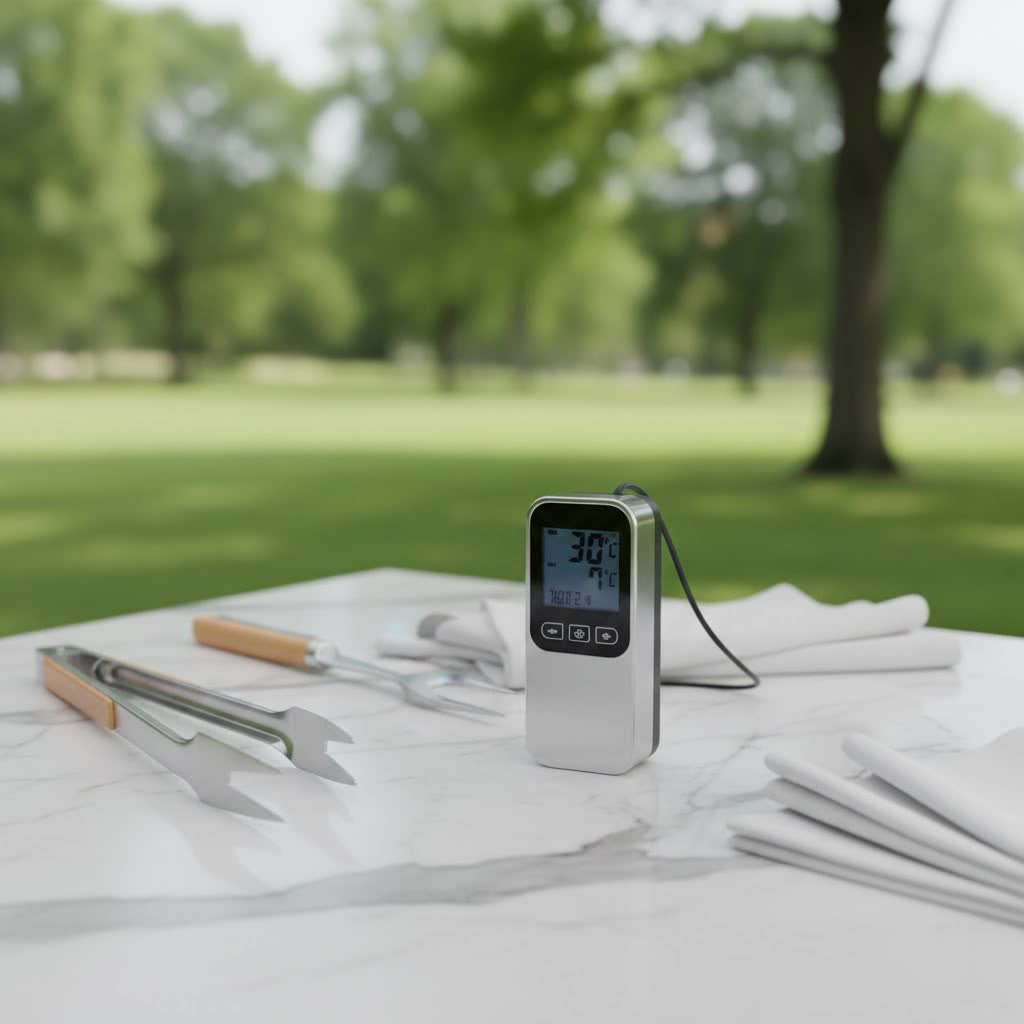
Meat Thermometers: An Overview and Why Every Cook Needs One
A meat thermometer is a device used to measure the internal temperature of cooked meat and poultry. Its primary purpose is to ensure food safety by confirming that dishes reach the minimum internal temperature required to kill harmful bacteria, preventing foodborne illnesses. Beyond safety, a meat thermometer is crucial for achieving desired doneness and flavor. Overcooking can lead to dry, tough meat, while undercooking results in an undesirable texture and potential health risks. With a reliable meat thermometer, you eliminate the uncertainty, guaranteeing perfect results every time.
The market offers several types of meat thermometers, each designed with different cooking scenarios in mind. These broadly include analog (dial), digital, probe (leave-in), and instant-read thermometers. Understanding the distinctions among these types is the first step toward selecting the right tool for your kitchen.
Popular Types of Meat Thermometers: Pros and Cons
Choosing the right meat thermometer depends heavily on your cooking habits and specific needs. Here’s a breakdown of the most common types:
Analog Meat Thermometer
Analog thermometers, often featuring a classic dial, are among the most basic and oldest types. They use a bimetallic coil or spring that expands and contracts with temperature changes, moving a needle across a graduated scale.
- Pros: They are generally inexpensive, easy to use, and don’t require batteries. Many models can be left in the oven during cooking.
- Cons: Analog thermometers typically have lower accuracy compared to digital models and can take a longer time to register a stable temperature. The small dials can also be difficult to read, especially in dim lighting or from a distance. Their temperature range might also be limited.
|
Our Picks for the Best Meat Thermometer in 2026
As an Amazon Associate I earn from qualifying purchases.
|
||
| Num | Product | Action |
|---|---|---|
| 1 | Escali AH1 Stainless Steel Oven Safe Meat Thermometer, Extra Large 2.5-inches Dial, Temperature Labeled for Beef, Poultry, Pork, and Veal Silver NSF Certified |

|
| 2 | 2 Pack Stainless Steel Meat Thermometer, Safe Leave in Oven, 2.5-in Extra-Large Dial Food Thermometer for Cooking, Temperature Probe for Baking, Steak, Turkey - Kitchen Gadgets - Silver |
|
| 3 | Meat Thermometer Digital - Instant Read Waterproof Food Thermometer with Backlight for Cooking, Grill, Candy, Kitchen & Stocking Stuffers for Men - Red |
|
| 4 | ThermoPro TP16 Large LCD Digital Cooking Food Meat Thermometer for Smoker Oven Kitchen BBQ Grill Thermometer Clock Timer with Stainless Steel Temperature Probe |
|
| 5 | Meat Thermometer Digital for Grilling and Cooking - ANDAXIN Waterproof Ultra-Fast Instant Read Food thermometers with Backlight & Calibration for Kitchen, Deep Fry, BBQ, Grill(Red/Black), LCD |
|
| 6 | Alpha Grillers Meat Thermometer Digital - Instant Read Food Thermometer for Cooking and Grilling Gifts for Men Valentines Day Gifts for Him Her Mom Dad |
|
| 7 | ThermoPro TP19H Digital Meat Thermometer for Cooking with Ambidextrous Backlit and Motion Sensing Kitchen Cooking Food Thermometer for BBQ Grill Smoker Oil Fry Candy Instant Read Thermometer |
|
| 8 | Meat Thermometer Digital, Instant Read Meat ThermometerI for Grill and Cooking, Waterproof Food Thermometer for Kitchen and Outside, BBQ, Turkey, Candy, Liquids, Beef |
|
| 9 | 0.5 Sec Instant Read Meat Thermometer Digital with ±0.5℉ Precision, Food Thermometer for Cooking Kitchen Gadgets, Oven Grill Candy BBQ Essentials Accessories, Gifts for Him Dad Men Birthday, Red |
|
| 10 | Instant Read Meat Thermometer, Fast & Accurate Digital Food Thermometer with Backlight, Waterproof & Magnet for Grilling, Cooking, BBQ, Smoker, Baking, and Candy Making Blue |
|
Digital Meat Thermometer
Digital thermometers use a thermistor or thermocouple to measure temperature, converting the reading into an electronic signal displayed on a digital screen.
- Pros: Digital thermometers offer superior accuracy and are much faster at providing readings than analog versions. They feature clear, easy-to-read digital displays, often with backlights, and many include advanced features like alarms, timers, and preset temperature settings for different meats.
- Cons: They require batteries, which need to be replaced periodically, and are generally more expensive than analog models.
Probe Meat Thermometer (Leave-in)
Probe thermometers, often digital, feature a long, heat-resistant probe connected by a wire to a base unit that stays outside the oven or grill.
- Pros: These are ideal for monitoring temperatures of large cuts of meat over extended cooking times, such as roasts, briskets, or turkeys. The probe remains in the meat while it cooks, allowing continuous temperature tracking without opening the oven or grill, which helps maintain consistent cooking temperatures. Many come with wireless capabilities and smartphone apps for remote monitoring.
- Cons: The wires can sometimes be cumbersome, and the probes, though heat-resistant, can be damaged if exposed to extremely high direct heat or bent improperly. Wireless models tend to be pricier.
Instant-Read Meat Thermometer
Instant-read thermometers are designed for quick, on-the-spot temperature checks. They are typically digital and feature a thin probe.
- Pros: As their name suggests, they provide incredibly fast temperature readings, often within 1-3 seconds. This makes them perfect for checking the doneness of individual steaks, chicken breasts, or fish fillets where every second counts. They are portable and easy to store.
- Cons: Instant-read thermometers are not designed to be left in the oven or grill for prolonged periods. They require you to insert the probe each time you want to check the temperature, which can release heat from your cooking vessel.
Comparison Table of Meat Thermometer Types
| Type | Accuracy | Speed | Key Features | Price Range | Pros | Cons |
|---|---|---|---|---|---|---|
| Analog | Moderate | Slow (30+ sec) | Dial display, oven-safe | Low | Affordable, no batteries, simple | Less accurate, hard to read, slow |
| Digital | High | Fast (5-10 sec) | Digital display, alarms, timers, presets | Medium | Accurate, easy to read, versatile | Requires batteries, generally not oven-safe |
| Probe | High | Moderate | Wired/Wireless probe, base unit, app conn. | Medium to High | Continuous monitoring, oven/grill safe, remote | Wires can be cumbersome, higher cost for wireless |
| Instant-Read | Very High | Very Fast (1-3 sec) | Thin probe, digital display, auto-off, backlight | Medium to High | Quick checks, precise, portable | Not oven-safe, requires re-insertion |
How to Choose the Right Meat Thermometer for Your Kitchen
Selecting the ideal meat thermometer involves considering several factors to match your cooking style and needs.
Assess Your Cooking Needs
Think about the types of meat you cook most frequently and your preferred cooking methods.
- For large roasts or grilling: If you often prepare whole chickens, turkeys, or large cuts of beef on a grill or in an oven, a probe (leave-in) thermometer is invaluable for continuous monitoring without heat loss.
- For quick checks on individual portions: An instant-read thermometer is perfect for pan-seared steaks, chicken breasts, or fish fillets where rapid temperature assessment is key to preventing overcooking.
- For basic, occasional use: A simple digital or even a reliable analog thermometer might suffice for less frequent or less critical cooking tasks.
- Do you need advanced features? Consider if you benefit from Bluetooth/Wi-Fi connectivity, app integration with recipe guidance, multiple probes, or customizable alarms. These features can greatly enhance the experience for the tech-savvy or serious home cook.
Consider Your Budget
Meat thermometers vary widely in price, from under $10 for basic analog models to over $100 for advanced wireless or professional-grade instant-read units. Determine how much you are willing to invest. While budget options can get the job done, investing a bit more often translates to better accuracy, speed, durability, and a more enjoyable cooking experience. A good cook recognizes the value of reliable tools as an investment in consistent culinary success.
Brands and Reviews
Researching reputable brands and reading user reviews can provide significant insight into a thermometer’s performance and reliability. Look for brands consistently praised for accuracy, durability, and ease of use. Top-rated brands often include ThermoWorks, ThermoPro, Meater, and OXO. Pay attention to feedback regarding speed, battery life, probe quality, and customer service.
Proper Usage and Care for Your Meat Thermometer
Even the best meat thermometer is only as effective as its user. Correct technique and maintenance are crucial for accurate readings and longevity.
How to Use a Meat Thermometer Correctly
- Placement is Key: For the most accurate reading, insert the thermometer probe into the thickest part of the meat, avoiding bones, gristle, or large pockets of fat. Bones can conduct heat faster or slower than the meat, leading to inaccurate readings, while fat doesn’t heat up the same way muscle tissue does.
- Poultry: For whole poultry, insert the thermometer into the thickest part of the thigh, near the bone but not touching it.
- Roasts: For roasts, insert it into the center of the thickest part.
- Instant-read: When using an instant-read thermometer, insert it, wait a few seconds for the reading to stabilize, and then remove it.
- Leave-in: For leave-in probes, ensure the base unit is outside the oven or grill and the wire is not pinched or exposed to direct flames.
Safe Internal Temperatures
Always refer to USDA guidelines for safe internal cooking temperatures for different types of meat to prevent foodborne illness:
- Poultry (whole, ground, parts): 165°F (74°C)
- Ground Meat (beef, pork, veal, lamb): 160°F (71°C)
- Fresh Beef, Veal, Lamb (steaks, roasts, chops): 145°F (63°C) with a 3-minute rest time
- Fresh Pork (steaks, roasts, chops): 145°F (63°C) with a 3-minute rest time
- Fish: 145°F (63°C)
Cleaning and Storage
- Clean Immediately: After each use, clean the probe thoroughly with hot, soapy water. Avoid submerging the entire unit (especially digital displays) unless it’s explicitly stated as waterproof.
- Wipe Down: Use a damp cloth to wipe down the thermometer’s body.
- Sanitize: For extra sanitation, you can wipe the probe with an alcohol swab.
- Store Properly: Store your thermometer in its protective sheath or a drawer where it won’t be jostled or damaged. Keep it away from extreme temperatures to protect its electronics.
Top Meat Thermometers Recommended for the Good Cook
For those serious about their culinary craft, here are some highly-regarded meat thermometers that stand out for their accuracy, speed, and features, ensuring you achieve perfect results every time.
- ThermoWorks Thermapen One: Widely considered the gold standard for instant-read thermometers, it boasts a lightning-fast one-second reading time and exceptional accuracy. Its robust design and clear display make it a favorite among professional chefs and serious home cooks alike.
- ThermoPro TempSpike Plus: This wireless leave-in thermometer offers an impressive range and excellent app integration, allowing you to monitor both internal meat temperature and ambient cooking temperature from your smartphone. It’s perfect for long smokes or roasts, providing alerts when your food is ready.
- MEATER Plus Bluetooth Meat Thermometer: A fully wireless smart thermometer that inserts directly into your meat. It connects to an app that guides you through the cooking process, calculates estimated cook times, and ensures your meat reaches the precise desired doneness without opening the oven or grill. It’s also dishwasher-safe for easy cleanup.
- OXO Good Grips Chef’s Precision Digital Thermometer: A solid, reliable instant-read option offering good value. It features a large, easy-to-read digital display, a thin probe for minimal meat puncture, and a pivoting head for comfortable viewing from any angle. It’s a great choice for everyday cooking tasks.
- ChefsTemp Finaltouch X10 Instant Read Digital Meat Thermometer: This thermometer delivers readings in under a second with high precision. It features an ambidextrous design with a 270-degree rotating probe, a magnetic backing for convenient storage, and is fully waterproof, making it highly versatile and easy to clean.
Conclusion
A meat thermometer is far more than a simple gadget; it’s an indispensable tool that empowers any good cook to achieve culinary excellence and ensure food safety. From the lightning-fast instant-read models to the sophisticated wireless probes, there’s a perfect thermometer out there for every cooking style and budget. By understanding the types, choosing based on your needs, and using it correctly, you can eliminate guesswork and consistently produce perfectly cooked, flavorful, and safe meals. Elevate your kitchen game and cook with confidence – what culinary masterpiece will you create next with your newfound precision?
Frequently Asked Questions
How often should I calibrate my meat thermometer?
Most digital meat thermometers come pre-calibrated and generally hold their accuracy. However, it’s a good practice to check calibration periodically, especially if you notice inconsistent readings. Analog thermometers may require more frequent manual calibration, typically by testing in ice water (32°F / 0°C) or boiling water (212°F / 100°C at sea level).
Can I leave an instant-read meat thermometer in the oven?
No, instant-read meat thermometers are not designed to be left in the oven, grill, or smoker during cooking. Their electronic components and plastic parts are not built to withstand prolonged high temperatures and can be damaged. For continuous temperature monitoring inside cooking appliances, always use a probe (leave-in) thermometer.
