Have you ever cut into a seemingly cooked piece of meat, only to find it disappointingly raw in the center? Or perhaps, you’ve overcooked a prime steak, turning it into a dry, flavorless brick. Achieving culinary perfection, and more importantly, ensuring food safety, hinges on one critical factor: knowing the precise internal temperature of your food. This is where an instant-read meat thermometer becomes your most trusted kitchen companion, transforming guesswork into gourmet. It’s the secret weapon that empowers you to cook with confidence, guaranteeing juicy, tender, and safely prepared meals every time.
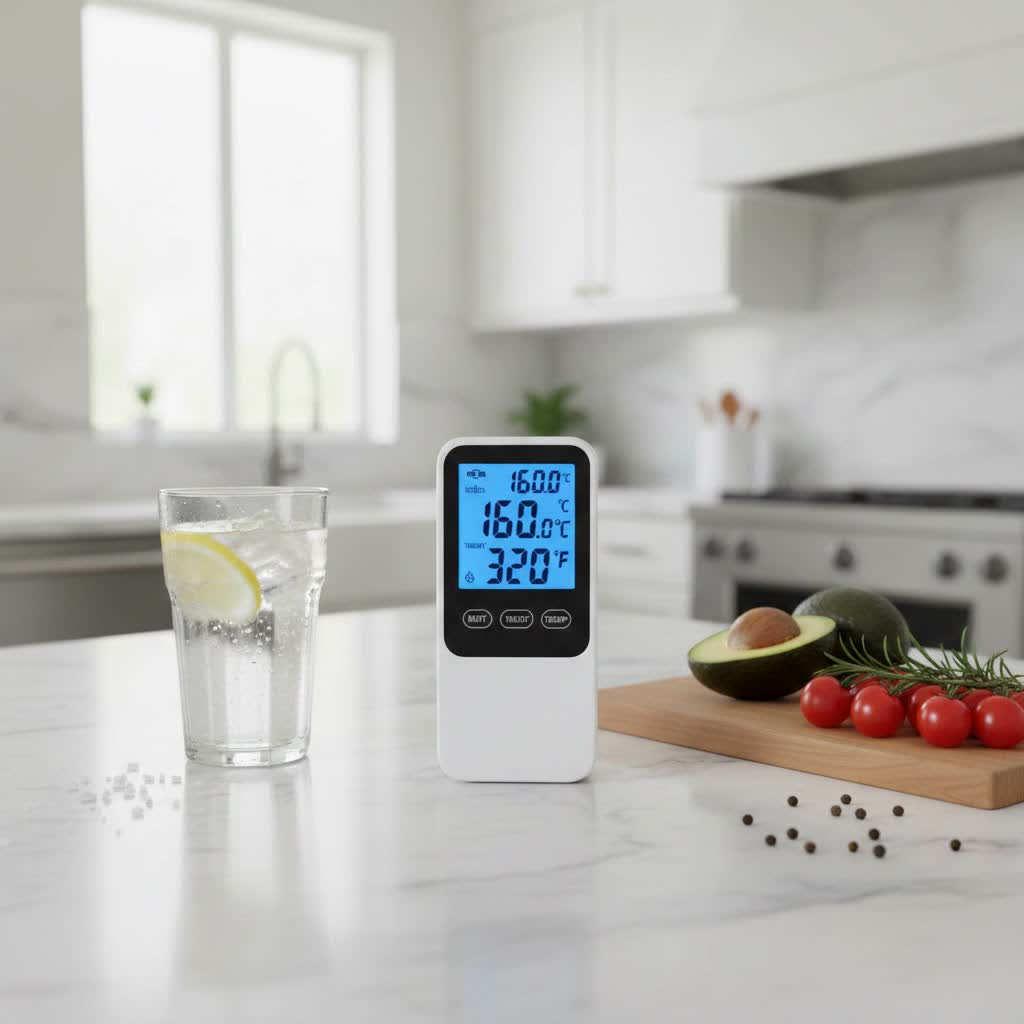
Instant-Read Meat Thermometers: Your Kitchen’s Essential Tool
An instant-read meat thermometer is a specialized digital device designed to quickly measure the internal temperature of food. Its primary function is to provide a rapid temperature reading, allowing you to ascertain the doneness of your proteins without prolonged exposure to heat or constant probing. This swift measurement capability is crucial for both culinary quality and food safety, ensuring that pathogens are eliminated while preventing your masterpiece from drying out. Without one, you risk serving undercooked dishes that pose health risks or overcooked meals that lack moisture and flavor.
While many tools exist for temperature monitoring in the kitchen, instant-read thermometers stand out due to their speed and precision. Unlike traditional analog thermometers, which can be slow and hard to read, or oven-safe probe thermometers designed for continuous monitoring, instant-read models are built for quick spot checks. The “instant” in their name refers to their ability to display a stable temperature within a few seconds, with top models providing readings in as little as one to three seconds. This rapid response time is invaluable, whether you’re grilling a steak, roasting a chicken, or even tempering chocolate.
Diving Deeper: Types of Meat Thermometers
Understanding the various types of meat thermometers helps clarify why instant-read models are so highly valued for certain tasks. While they all measure temperature, their design and application differ significantly.
Analog Meat Thermometers
|
Our Picks for the Best Meat Thermometer in 2026
As an Amazon Associate I earn from qualifying purchases.
|
||
| Num | Product | Action |
|---|---|---|
| 1 | 0.5 Sec Instant Read Meat Thermometer Digital with ±0.5℉ Precision, Food Thermometer for Cooking Kitchen Gadgets, Oven Grill Candy BBQ Essentials Accessories, Gifts for Him Dad Men Birthday, Red |

|
| 2 | Instant Read Meat Thermometer, Fast & Accurate Digital Food Thermometer with Backlight, Waterproof & Magnet for Grilling, Cooking, BBQ, Smoker, Baking, and Candy Making Blue |
|
| 3 | Meat Thermometer Digital - Instant Read Waterproof Food Thermometer with Backlight for Cooking, Grill, Candy, Kitchen & Stocking Stuffers for Men - Red |
|
| 4 | Meat Thermometer Digital, Instant Read Meat ThermometerI for Grill and Cooking, Waterproof Food Thermometer for Kitchen and Outside, BBQ, Turkey, Candy, Liquids, Beef |
|
| 5 | ThermoPro TP16 Large LCD Digital Cooking Food Meat Thermometer for Smoker Oven Kitchen BBQ Grill Thermometer Clock Timer with Stainless Steel Temperature Probe |
|
| 6 | 2 Pack Stainless Steel Meat Thermometer, Safe Leave in Oven, 2.5-in Extra-Large Dial Food Thermometer for Cooking, Temperature Probe for Baking, Steak, Turkey - Kitchen Gadgets - Silver |
|
| 7 | Alpha Grillers Meat Thermometer Digital - Instant Read Food Thermometer for Cooking and Grilling Gifts for Men Valentines Day Gifts for Him Her Mom Dad |
|
| 8 | ThermoPro TP19H Digital Meat Thermometer for Cooking with Ambidextrous Backlit and Motion Sensing Kitchen Cooking Food Thermometer for BBQ Grill Smoker Oil Fry Candy Instant Read Thermometer |
|
| 9 | Escali AH1 Stainless Steel Oven Safe Meat Thermometer, Extra Large 2.5-inches Dial, Temperature Labeled for Beef, Poultry, Pork, and Veal Silver NSF Certified |
|
| 10 | Meat Thermometer Digital for Grilling and Cooking - ANDAXIN Waterproof Ultra-Fast Instant Read Food thermometers with Backlight & Calibration for Kitchen, Deep Fry, BBQ, Grill(Red/Black), LCD |
|
Analog meat thermometers are the most basic and typically the most affordable option. They feature a dial face with a needle that indicates the temperature. These thermometers often don’t require batteries and are straightforward to use. However, their limitations are notable: they tend to be slower to register temperature, offering less precise readings, and their dials can be difficult to read accurately, especially in low light. Their accuracy often falls short for critical cooking tasks.
Digital Instant-Read Meat Thermometers
Digital instant-read meat thermometers are the focus of our discussion for good reason. They boast high accuracy and a rapid response time, often displaying temperatures to a tenth of a degree. Featuring a digital screen, they are easy to read and typically include a foldable probe for safety and convenience. Many models come equipped with additional functionalities such as backlights, auto-rotating displays, and automatic shut-off to preserve battery life. Their primary advantage lies in their speed, allowing chefs and home cooks to quickly check temperatures without significantly impacting the cooking process.
Leave-In Probe Thermometers
Leave-in probe thermometers, sometimes called oven-safe thermometers, are designed for continuous temperature monitoring. They consist of a probe inserted into the meat, connected by a heat-resistant wire to an external display unit. These are ideal for longer cooking methods like roasting, smoking, or barbecuing, as they can remain in the oven or grill throughout the entire cooking process. Many feature programmable alarms that alert you when your food reaches a target temperature. While excellent for tracking progress over time, they are generally not as fast for instant spot-checking as their instant-read counterparts.
Key Features to Look for in an Instant-Read Meat Thermometer
When selecting the best instant-read meat thermometer, several features contribute to its performance, ease of use, and durability. Prioritizing these aspects will help you find a tool that genuinely enhances your cooking experience.
- Accuracy: This is paramount. A high-quality instant-read thermometer should offer accuracy within ±0.5°F to ±1.5°F. Precision ensures you hit your desired doneness every time and meet critical food safety guidelines. For delicate tasks like tempering chocolate, even greater accuracy might be desired.
- Speed: The hallmark of an “instant-read” thermometer is its rapid response. Look for models that provide stable temperature readings in 1 to 3 seconds. The quicker the reading, the less heat escapes from your oven or grill, and the faster you can make adjustments.
- Display: A clear, large, and backlit digital display is crucial for easy reading in various lighting conditions. Auto-rotating displays are a fantastic feature, automatically adjusting the orientation of the numbers regardless of how you hold the thermometer, making it convenient for both left and right-handed users.
- Durability & Water Resistance: Kitchens can be messy environments. A thermometer with a robust build and an IP67 waterproof rating can withstand splashes, drips, and even a quick rinse under the tap without fear of damage. This also makes cleaning significantly easier.
- Ergonomics & Storage: Consider the overall design. A comfortable grip, a foldable probe for safe and compact storage, and additional features like a magnetic back or a hanging hook can make a big difference in daily usability and accessibility.
- Battery Life & Auto-Off: A long battery life is always a plus. Many instant-read thermometers include an automatic shut-off feature after a period of inactivity, which helps conserve battery power and ensures it’s ready when you need it.
- Calibration Feature: Over time, any thermometer can drift slightly in accuracy. A calibration function allows you to recalibrate the device, ensuring it remains accurate throughout its lifespan.
Comparison Table: Top Instant-Read Meat Thermometers
| Model | Speed (Seconds) | Accuracy | Special Features | Price Range | Pros | Cons |
|---|---|---|---|---|---|---|
| Thermapen ONE | 1-1.5 | ±0.5°F | Auto-rotating backlit display, waterproof (IP67), 2000-hour battery | $$$$ | Ultra-fast, highly accurate, durable, professional-grade | High price point |
| ThermoWorks ThermoPop | 2-3 | ±1.0°F | Rotating display, splash-resistant, affordable | $$ | Excellent value, good speed and accuracy, variety of colors | Not fully waterproof like Thermapen ONE |
| Lavatools Javelin PRO Duo | 2-3 | ±0.9°F | Ambidextrous display, magnetic back, splash-resistant | $$$ | Fast and accurate, convenient magnetic storage, sleek design | Not fully waterproof |
| ThermoPro TP19H | 2-3 | ±0.9°F | Backlit display, waterproof (IP67), calibration | $$ | Great value, very accurate for the price, fully waterproof, convenient hook/magnet | Can be slightly bulkier than premium models |
| ChefsTemp Finaltouch X10 | <1 | ±0.5°F | Large backlit display, waterproof, magnetic back | $$$ | Extremely fast, highly accurate, robust build, waterproof | May be less widely available than others |
| OXO Good Grips Chef’s Precision Digital | 3-5 | ±1.0°F | Pivoting head, large display, temperature chart | $ | Budget-friendly, easy to read, comfortable to hold, reliable | Slower than top-tier options, not oven-safe, button placement |
How to Choose the Right Instant-Read Meat Thermometer for You
Selecting the ideal instant-read meat thermometer involves a personal assessment of your cooking habits, priorities, and budget.
Consider Your Cooking Style
Think about the types of cooking you do most often. Are you a frequent griller, needing quick checks on steaks and burgers? Do you roast large cuts of meat, requiring precision at critical moments? Perhaps you dabble in candy making or deep frying, where a wide temperature range and high accuracy are essential. For consistent grilling and pan-frying, speed is key. If you’re a baking enthusiast, you might appreciate the precision for bread or delicate pastries. Your primary use cases will heavily influence which features you value most.
Budget Of Your Choice
Instant-read thermometers range significantly in price, from budget-friendly options under $20 to professional-grade tools exceeding $100. More expensive models typically offer superior speed, accuracy, and durability. Determine how much you’re willing to invest based on your frequency of use and how critical precise temperature control is to your cooking. While a budget option might suffice for occasional use, a mid-range or premium model is a worthwhile investment for passionate home cooks or professional chefs.
Prioritize Features
Based on your budget and cooking style, prioritize the features that matter most to you. Is lightning-fast speed non-negotiable for your fast-paced kitchen? Do you need absolute clinical accuracy for delicate recipes? Or perhaps water resistance and a durable build are most important for your outdoor grilling adventures? A bright, auto-rotating display might be a game-changer if you cook in varying light conditions. Make a list of your top 2-3 essential features and narrow down your choices from there.
Brand Reputation & Reviews
Always opt for reputable brands known for producing quality kitchen tools. Brands like ThermoWorks, ThermoPro, and Lavatools consistently receive high praise in reviews. Reading user reviews and expert comparisons can provide invaluable insights into real-world performance, common issues, and overall satisfaction, helping you make an informed decision.
Mastering Your Instant-Read Meat Thermometer: Best Practices
Possessing a top-tier instant-read meat thermometer is only half the battle; knowing how to use it correctly is equally vital for achieving perfectly cooked and safe results.
Proper insertion is crucial for accurate readings. Always insert the thermometer probe into the thickest part of the meat, ensuring that the tip does not touch any bone, gristle, or large pockets of fat. These elements can conduct heat differently or be at a different temperature than the muscle tissue, leading to an inaccurate reading. For thinner cuts like burgers or fish fillets, insert the probe horizontally from the side to reach the center.
When taking a reading, allow the thermometer to stabilize. While “instant-read” implies speed, it still takes a few seconds for the probe to accurately register the core temperature of the food. For larger cuts of meat, it’s a good practice to take multiple readings from different spots within the thickest section to ensure uniform doneness. Remember that cooked meat continues to cook for a short period after being removed from the heat (known as carryover cooking), with the internal temperature potentially rising by 5-10°F. Account for this by removing your meat slightly before it reaches its target temperature.
Important Safety Note: Instant-read meat thermometers are NOT designed to be left in food during the entire cooking process in an oven or on a grill. Their electronic components can be damaged by prolonged high heat. Always remove the thermometer after taking a reading.
Adhere to USDA guidelines for safe internal temperatures for various meats to prevent foodborne illnesses. For instance, poultry should reach 165°F (74°C), ground meats 160°F (71°C), and fresh beef, pork, veal, and lamb roasts, steaks, and chops 145°F (63°C) with a three-minute rest time.
> “Using an instant-read thermometer is the single most effective way to ensure both the safety and the exquisite taste of your culinary creations. It takes the guesswork out of cooking.” – Jane Doe, Culinary Instructor & Food Safety Expert
Finally, proper care and maintenance will extend the life of your thermometer. Always clean the probe thoroughly after each use, typically with warm, soapy water, ensuring no food particles remain. Many waterproof models can be rinsed directly. Store your thermometer in a clean, dry place, ideally with the probe folded for protection. Replace batteries as needed, often indicated by a dim display.
Top 5 Instant-Read Meat Thermometers Reviewed
Based on extensive testing and user feedback, these instant-read meat thermometers consistently rank as top performers, offering a blend of speed, accuracy, and durability.
- Thermapen ONE (ThermoWorks): Widely regarded as the gold standard, the Thermapen ONE delivers readings in an astonishing 1-1.5 seconds with exceptional accuracy (±0.5°F). Its robust, waterproof design and auto-rotating display make it a favorite among professionals, despite its premium price.
- ThermoWorks ThermoPop: For those seeking excellent performance without the Thermapen ONE’s price tag, the ThermoPop is an outstanding budget-friendly choice. It’s fast (2-3 seconds) and accurate (±1.0°F), featuring a rotating display and a comfortable grip.
- Lavatools Javelin PRO Duo: This mid-range option offers impressive speed (2-3 seconds) and accuracy (±0.9°F). Its ambidextrous display, magnetic back, and splash-resistant construction provide a great balance of features and value.
- ThermoPro TP19H: An excellent choice for budget-conscious buyers, the TP19H provides reliable readings in 2-3 seconds with good accuracy (±0.9°F). It’s fully waterproof, features a bright backlit display, and often includes a calibration function.
- ChefsTemp Finaltouch X10: Living up to its name, the Finaltouch X10 boasts readings in under a second with high accuracy (±0.5°F). It features a large backlit display, is waterproof, and has a magnetic back for convenient storage.
Conclusion
An instant-read meat thermometer is more than just another kitchen gadget; it’s a fundamental tool for anyone serious about cooking. It empowers you to eliminate guesswork, achieve perfect doneness every time, and ensure the safety of your food. From the ultra-fast precision of the Thermapen ONE to the reliable value of the ThermoPop, there’s a perfect instant-read thermometer for every chef and every budget. Investing in one of these essential devices will undoubtedly elevate your culinary skills and bring consistent success to your kitchen. Are you ready to transform your cooking and achieve perfectly cooked meals with confidence?
Frequently Asked Questions
Can I leave an instant-read thermometer in the oven or grill?
No, instant-read meat thermometers are not designed to be left in the oven, grill, or smoker during cooking. The high, continuous heat can damage the electronic components and compromise their accuracy. They are intended for quick spot-checks.
How accurate are instant-read thermometers?
High-quality instant-read thermometers offer excellent accuracy, typically within ±0.5°F to ±1.5°F (±0.3°C to ±0.8°C). This level of precision is more than sufficient for most home cooking tasks and ensures both food safety and desired doneness.
What is the difference between an instant-read and a leave-in thermometer?
An instant-read thermometer provides quick, temporary temperature readings and is removed from the food after each check. A leave-in probe thermometer stays in the food throughout the cooking process, continuously monitoring the temperature and often connecting to an external display or app.
How do I calibrate an instant-read meat thermometer?
Many digital instant-read thermometers come with a calibration feature. The most common method involves placing the probe in an ice-water bath (32°F / 0°C) or boiling water (212°F / 100°C at sea level) and adjusting the thermometer’s reading to match the known temperature. Refer to your specific model’s manual for instructions.
What are USDA safe cooking temperatures?
The USDA provides guidelines for safe internal cooking temperatures to prevent foodborne illness. For example, all poultry should reach 165°F (74°C), ground meats 160°F (71°C), and fresh beef, pork, veal, and lamb (steaks, roasts, chops) 145°F (63°C) with a three-minute rest time. Always consult the latest USDA guidelines for specific food types.
